If you have ever walked past a traditional Chinese restaurant and been captivated by a rich, savory, and complex aroma wafting from the kitchen, you have likely smelled the magic of a Chinese spice braising packet. In the world of Chinese gastronomy, braising is not just a cooking method; it is an art form known as Lu (卤).

While fresh aromatics like ginger and scallions provide the foundation, the Chinese Spice Braising Packet, or Lu Liao Bao (卤料包), provides the soul. These unassuming sachets convert simple water and soy sauce into a “Master Stock” capable of transforming tough cuts of meat into tender, fragrant masterpieces.
What Is a Chinese Spice Braising Packet?
A Chinese Spice Braising Packet, pronounced lǔ liào bāo in Pinyin, is a permeating sachet containing a specific blend of whole dried spices and herbs. Think of it as a “bouquet garni” but with a significantly more robust and warming profile tailored for long-simmering savory dishes.
In professional Chinese kitchens, chefs guard their specific spice ratios as trade secrets. However, for the home cook, pre-packaged Lu Liao Bao offers a convenient way to achieve that authentic restaurant-quality flavor without purchasing twenty different jars of individual spices.
The Botanical Ensemble
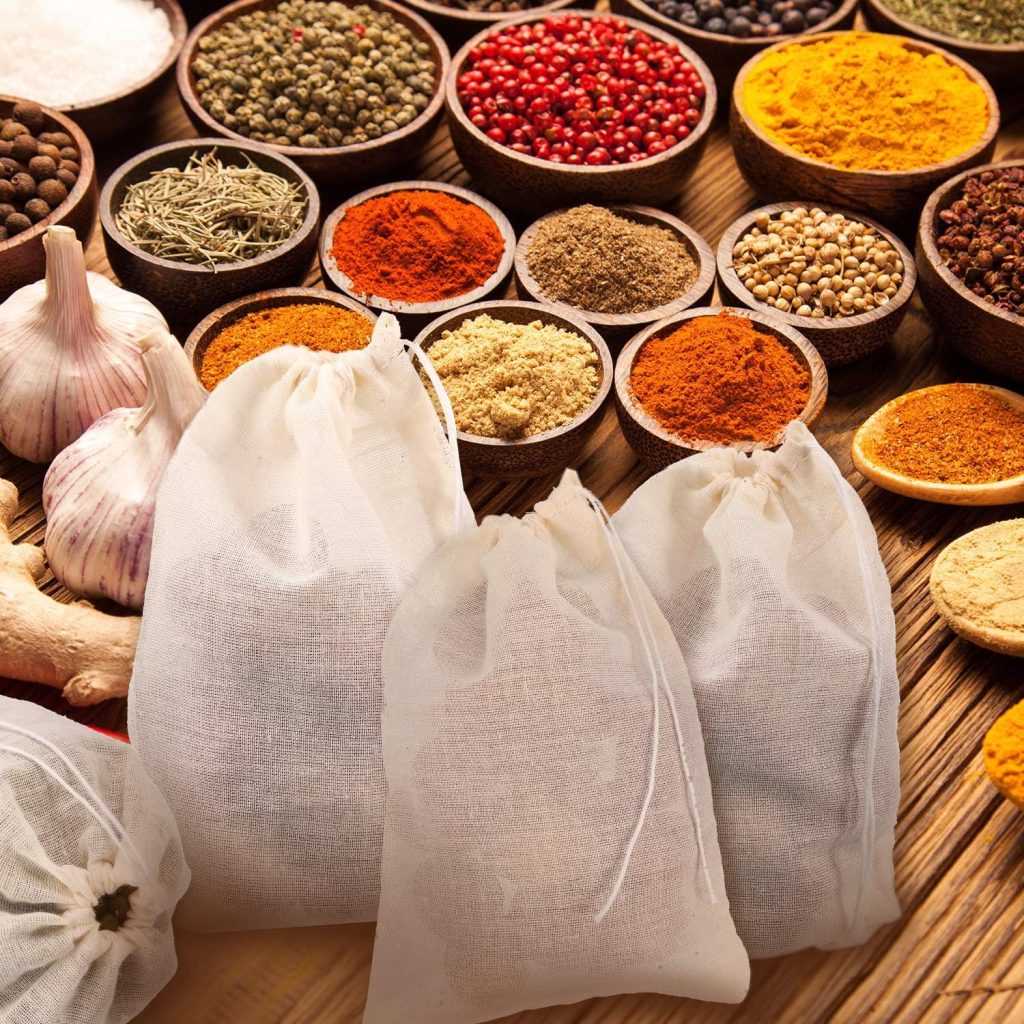
Unlike a curry powder which is ground, a traditional braising packet contains whole spices. This allows them to release essential oils slowly over hours of cooking without making the broth muddy or gritty.
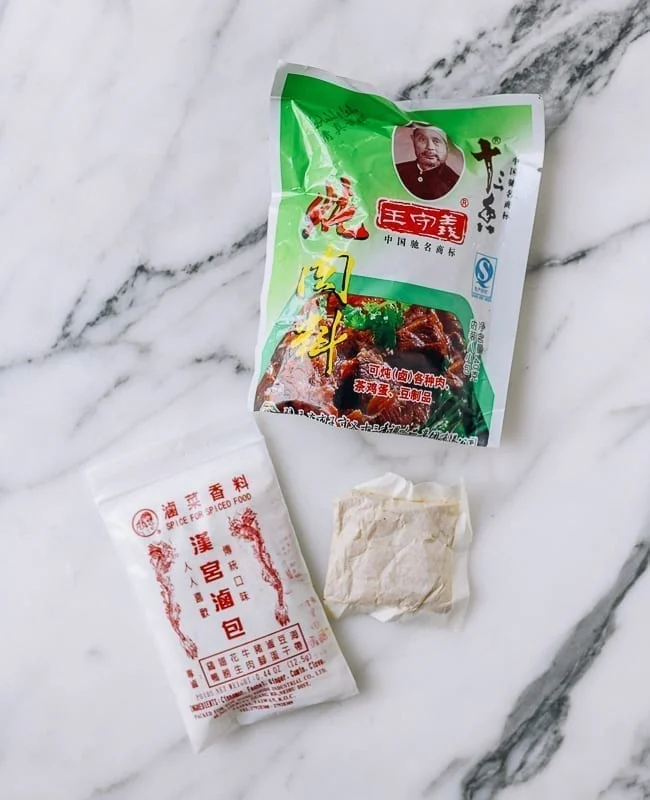
Common ingredients found inside include:
- Star Anise: The dominant flavor, providing sweet, licorice notes.
- Cassia Bark (Chinese Cinnamon): Adds a woody, spicy sweetness different from Western cinnamon.
- Sichuan Peppercorns: Introduces a citrusy aroma and a slight numbing sensation.
- Fennel Seeds: Enhances the savory profile with mild herbal notes.
- Cloves: Provides intense warmth and depth.
- Sand Ginger (Kaempferia galanga): A peppery, aromatic root unique to Asian cuisine.
- Dried Tangerine Peel: Adds a subtle bitterness and citrus zest to balance the richness of meats.
- Licorice Root: A natural sweetener that harmonizes the other strong spices.
Note on EEAT: The synergy of these spices isn’t just for flavor; historically, many of these ingredients, such as star anise and fennel, are recognized in Traditional Chinese Medicine (TCM) for their warming properties and ability to aid digestion, which is why they are paired with heavy meats.
Flavor Profile: The “Five-Flavor” Foundation
While the mixture can be complex, the core flavor profile often revolves around the concept of “Five Spice” (sour, bitter, sweet, pungent, and salty), though the packet itself provides the aroma (pungency/sweetness), while the liquid provides the salt.
When simmered, these packets create a broth that is earthy, warming, and deeply aromatic. It pairs perfectly with the “Holy Trinity” of Chinese braising liquids: Soy Sauce, cooking wine, and sugar.
How to Use Lu Liao Bao in Cooking
Using a braising packet is incredibly straightforward, but pairing it correctly is what separates a good dish from a great one.
The “Red Braise” Technique (Hong Shao)
The most common application is for Red Braised dishes. Here is the general workflow:
- Blanching: Always par-boil your meat (pork, beef, or chicken) to remove impurities.
- Sautéing: Fry aromatics (ginger, garlic) and the meat to develop flavor.
- The Liquid: Add water, Dark Soy Sauce for color, light soy sauce for saltiness, and Shaoxing Wine to deglaze the pot.
- The Packet: Drop in the Lu Liao Bao.
- Simmer: Cover and simmer on low heat until the meat is fork-tender.
Essential Flavor Partners
A spice packet alone is not enough. To get that glossy, restaurant-style finish, you must balance the savory spices with sweetness. We highly recommend using Chinese Rock Sugar rather than granulated white sugar. Rock sugar gives the braising liquid a mellow sweetness and a stunning, shiny glaze that coats the meat.

Culinary Applications: What to Braise?
The versatility of the Lu Liao Bao is unmatched. Here are some specific applications and recipes where this ingredient shines:
1. Beef
Beef is perhaps the best candidate for these spices. The strong, gamey flavor of beef stands up well to robust spices like star anise and cloves. A classic application is Braised Beef Noodle Soup. The spice packet is the secret weapon that makes the broth taste like it has been simmering for days.
2. Pork
Fatty cuts of pork absorb the spice flavors beautifully. You can use the packet to make a simplified version of Homestyle Braised Pork Belly (Bazi Rou). The spices cut through the richness of the fat, making the dish feel less heavy.
3. Poultry and Tofu
For lighter proteins, the braising time is shorter. A spice packet can elevate a simple Braised Chicken with Mushrooms into a comforting winter meal. If you are vegetarian, firm tofu or hard-boiled eggs are excellent sponges for this flavor. Try using the liquid to make Braised Tofu with Scallions.
4. The “Master Stock” (Lu Shui)
You don’t have to throw the liquid away! In traditional Chinese cooking, the braising liquid (containing the spice essence) is boiled, strained, and frozen. This “Old Stock” is reused for the next batch, becoming richer and more complex over time.
Buying and Storage Guide
Where to Buy
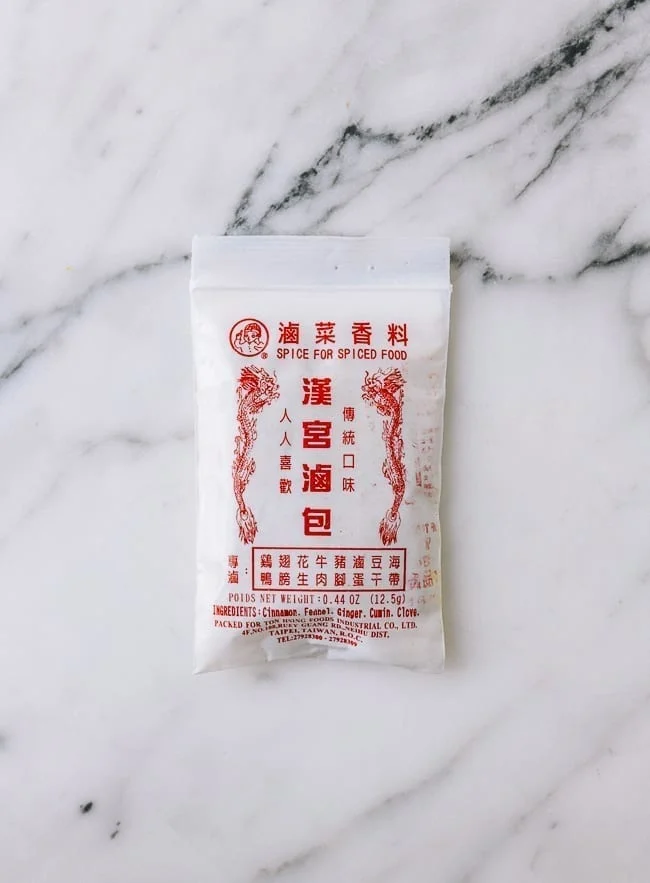
You can find these packets in the dried goods aisle of any Asian grocery store. Look for characters like 炖肉料 (Dun Rou Liao – Stew Meat Material) or 卤料 (Lu Liao). Popular brands include Wang Shou Yi (famous for their “13 Spice”).
Storage
Because the spices are dried, they have a long shelf life. However, essential oils degrade over time.
- Unopened: Keep in a cool, dry pantry for up to 18 months.
- Opened: If the outer bag is opened, transfer unused sachets to an airtight jar to preserve potency.
Substitutions: DIY Braising Packet
If you cannot find a pre-made packet, you can make your own! While it might lack the 20+ ingredients of a commercial brand, you can achieve 90% of the flavor with just a few key items.
Wrap the following in a cheesecloth and tie with kitchen twine:
- 3 whole Star Anise
- 1 stick of Cinnamon/Cassia
- 1 tsp Sichuan Peppercorns
- 2 Bay Leaves
- 3 slices of fresh Ginger
Authoritative References
- National Center for Biotechnology Information (NCBI): Spices and Atherosclerosis – Discussing the antioxidant properties of common spices found in braising packets. https://www.ncbi.nlm.nih.gov/pmc/articles/PMC3083808/
- Encyclopedia Britannica: Cassia – Botanical definition and history of Chinese Cinnamon used in these blends. https://www.britannica.com/plant/cassia-plant
- Michelin Guide: The Art of Chinese Braising – Culinary context on the “Lu” technique. https://guide.michelin.com/en/article/dining-out/cooking-technique-chinese-braising










Leave a Reply