Growing up in a household where the kitchen was the heart of the home, I learned early on that the best meals aren’t always the most complicated ones. Zhu Pai Fan (猪排饭), or Pork Chop Rice, is the definition of comfort food for many of us. It reminds me of the busy lunch rushes at my parents’ restaurant, where we needed something hearty, fast, and universally loved to fuel the staff.
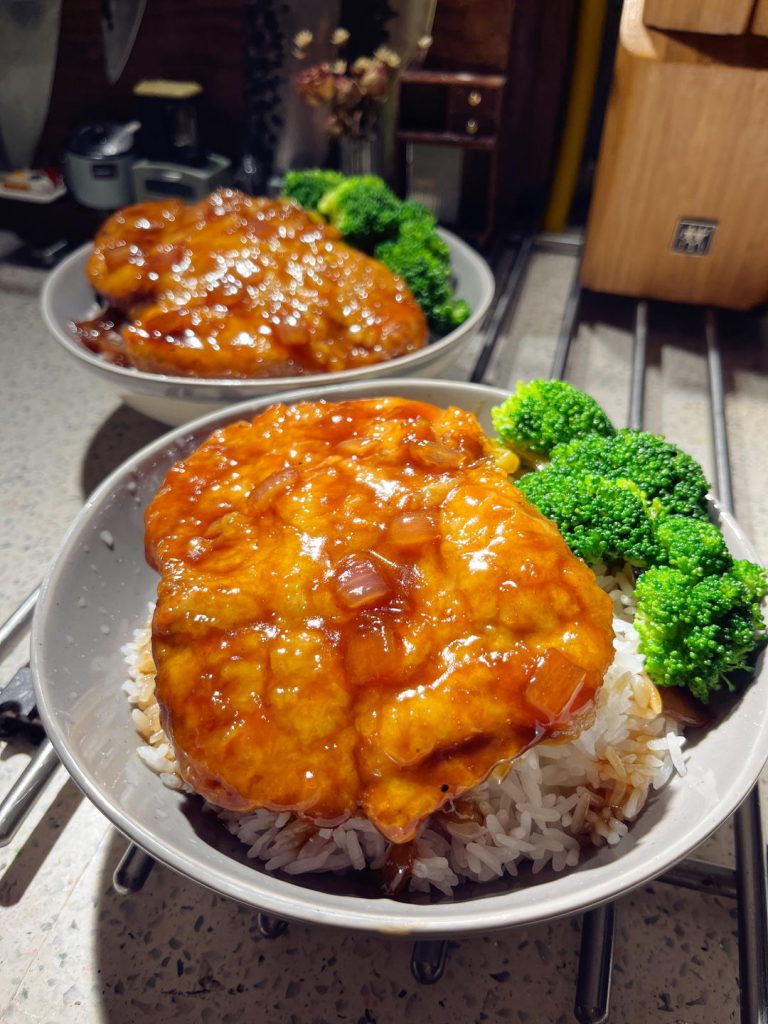
Unlike the deep-fried, breaded cutlets you might find in Japanese Tonkatsu, this homestyle Chinese version uses a unique “pan-fry then braise” technique. The pork is seared to lock in moisture and then briefly simmered in a rich, savory-sweet sauce that glazes the meat perfectly. It is less messy than deep-frying but delivers an incredible depth of flavor.
If you enjoy dishes like Shanghai Fried Pork Chops but want something with a saucier finish to spoon over your rice, this recipe is for you. It’s perfect for a weeknight dinner when you want something satisfying that feels like a hug in a bowl.
What is Zhu Pai Fan?
“Zhu Pai” means pork chop, and “Fan” means rice. In China, this dish takes many forms depending on the region. In Shanghai, it might be served with Worcestershire sauce; in Taiwan, it might be deep-fried with five-spice.
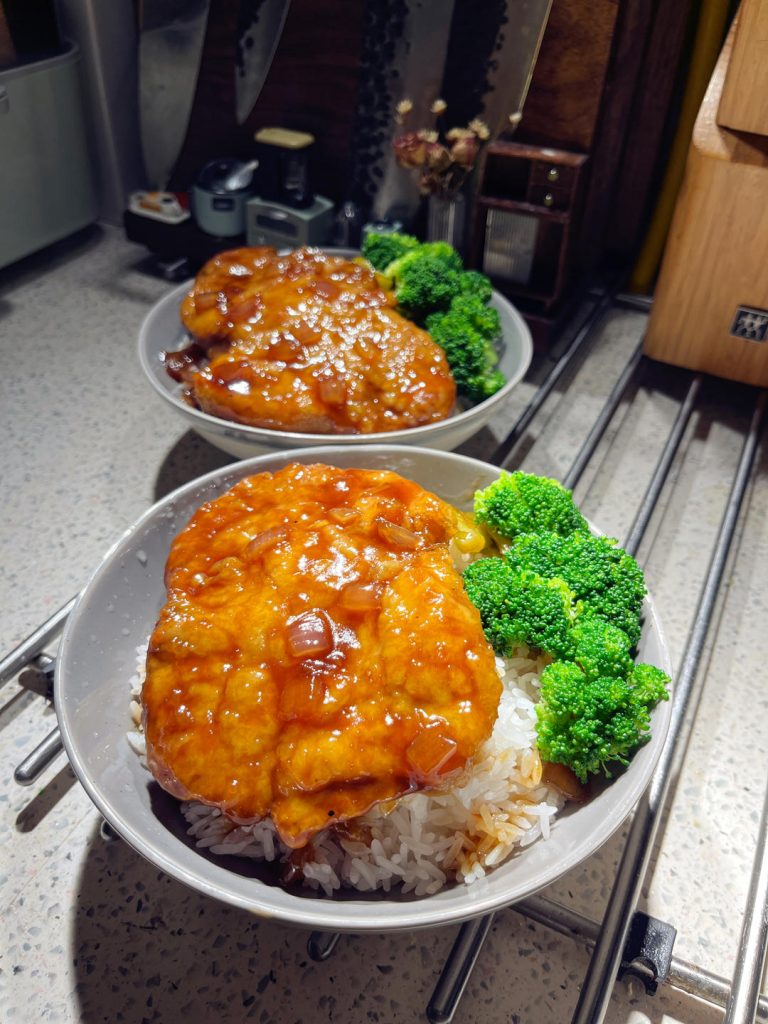
The version I am sharing today is a modern, homestyle take that I’ve refined in my own kitchen. It uses Pork Collar (Mei Hua Rou) instead of the leaner loin chops often sold in US supermarkets. The sauce is a balance of savory soy sauce, umami-rich oyster sauce, and a hint of sweetness from rock sugar and mirin. It’s simple, rustic, and incredibly effective.
Why This Recipe Works
- Tenderizing Technique: We use the back of a knife to pound the meat. This breaks down the muscle fibers physically, ensuring the pork remains tender even after pan-frying.
- The “Velveting” Hybrid: We coat the pork in egg and cornstarch. This creates a barrier that keeps the juices inside while allowing the sauce to cling to the meat later.
- The Braise: Unlike a standard steak that is just seared, we simmer these chops in the sauce for a few minutes. This ensures the flavor penetrates deep into the meat, not just sitting on top.
Key Ingredients & Substitutions
The Pork: Choosing the Right Cut
The original recipe calls for Mei Hua Rou (梅花肉), which translates to “Plum Blossom Meat” because of its marbling. In Western butcher terms, this is Pork Collar or Pork Shoulder Steaks (Boston Butt).
- Comparison: If you use Pork Loin (the standard “pork chop”), it can dry out quickly because it is very lean. Pork Collar/Shoulder has intramuscular fat that keeps it juicy and forgiving during the braise. If you can only find Loin, make sure not to overcook it!
The Aromatics & Seasonings
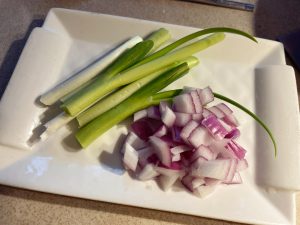
- Scallions & Onions: These form the aromatic base. The onion adds natural sweetness to the sauce.
- Light Soy Sauce: I recommend a premium brand like Pearl River Bridge or Lee Kum Kee. You can also use Kikkoman soy sauce.
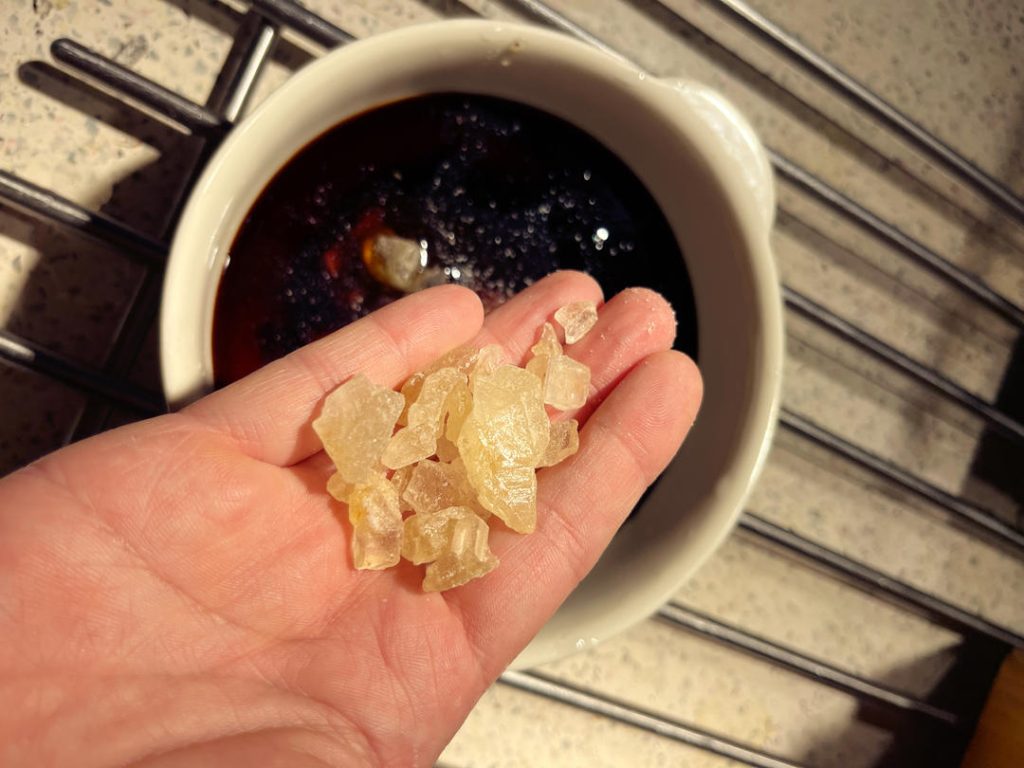
- Yellow Rock Sugar: This gives the sauce a glossy sheen and a mellow sweetness. If you can’t find it, Brown Sugar is a perfectly safe substitution.
- Mirin: A Japanese sweet rice wine that adds a nice glaze. You can substitute this with Shaoxing Wine plus an extra pinch of sugar.
- Oyster Sauce: Adds the essential savory umami punch.
Ingredients
The Pork & Marinade
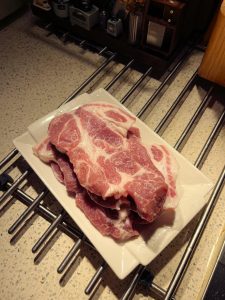
- 1 lb (450g) Pork collar (pork shoulder steaks) or boneless pork chops
- 1/2 tsp Black pepper sea salt (or 1/4 tsp salt + 1/4 tsp black pepper)
- 1 tbsp Cornstarch (for marinade)
- 1 Large egg
- 1/2 cup Cornstarch (for dredging/dusting)
- 2 tbsp Neutral cooking oil (canola, vegetable, or grapeseed)
The Sauce
- 2 tbsp Light soy sauce
- 1 tbsp Oyster sauce
- 1 tbsp Mirin (or Shaoxing wine)
- 10g Yellow rock sugar (about 1 tbsp crushed, or substitute brown sugar)
- 1/4 tsp Black pepper sea salt
- 1/2 cup (120ml) Water
The Aromatics & Serving
- 2 stalks Scallions, cut into 2-inch sections
- 1/2 Yellow onion, sliced
- 2 cups Steamed white rice
- 1 cup Blanched greens (Bok Choy, Broccoli, or Choy Sum)
Recipe Notes Before You Start
- Prep Ahead: Have your sauce mixed and veggies chopped before you start frying. The cooking process moves fast once the pork hits the pan.
- Equipment: A large 12-inch non-stick skillet or a cast iron pan works best here. A wok is great for the sauce stage, but a flat pan helps sear the chops evenly.
- Temperature: We will be pan-frying at medium-high heat to get a crust, then lowering the heat to simmer.
How to Make Chinese Pan-Fried Pork Chops
Step 1: Tenderize the Pork
Slice the pork collar into 1/2-inch thick slices. Using the back of a cleaver or a meat mallet, gently pound the meat in a crosshatch pattern.
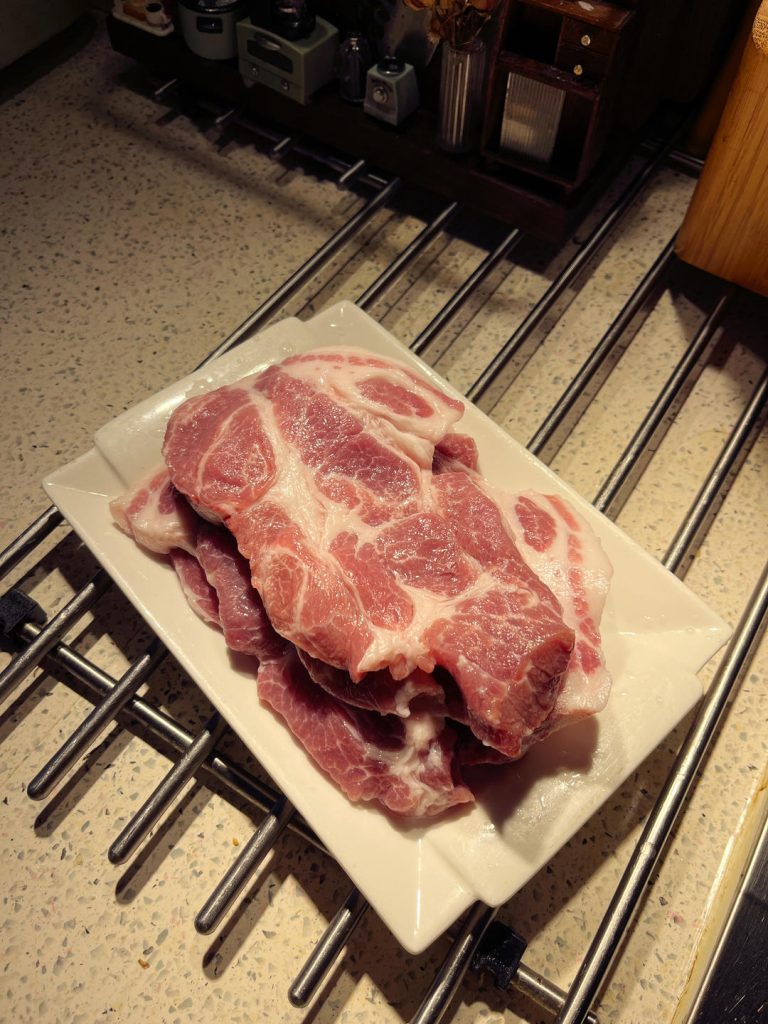
Why we do this: This mechanically breaks the tough muscle fibers, ensuring the chop is tender rather than chewy. It also increases the surface area to absorb the marinade.
Step 2: Marinate (The Foundation)
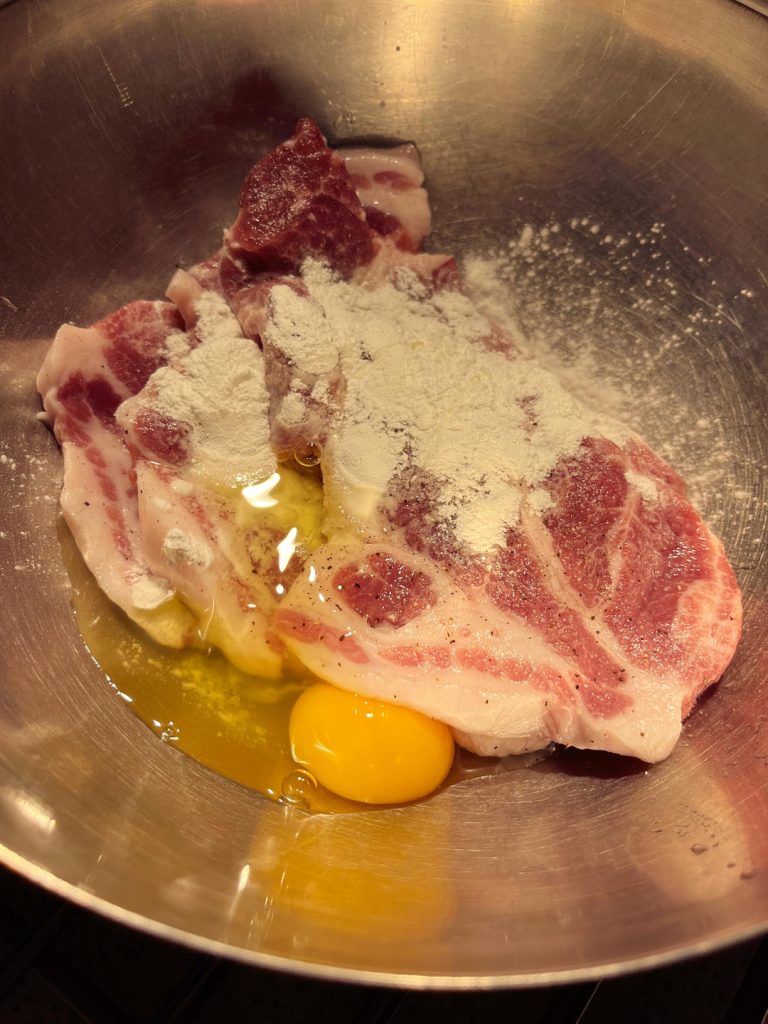
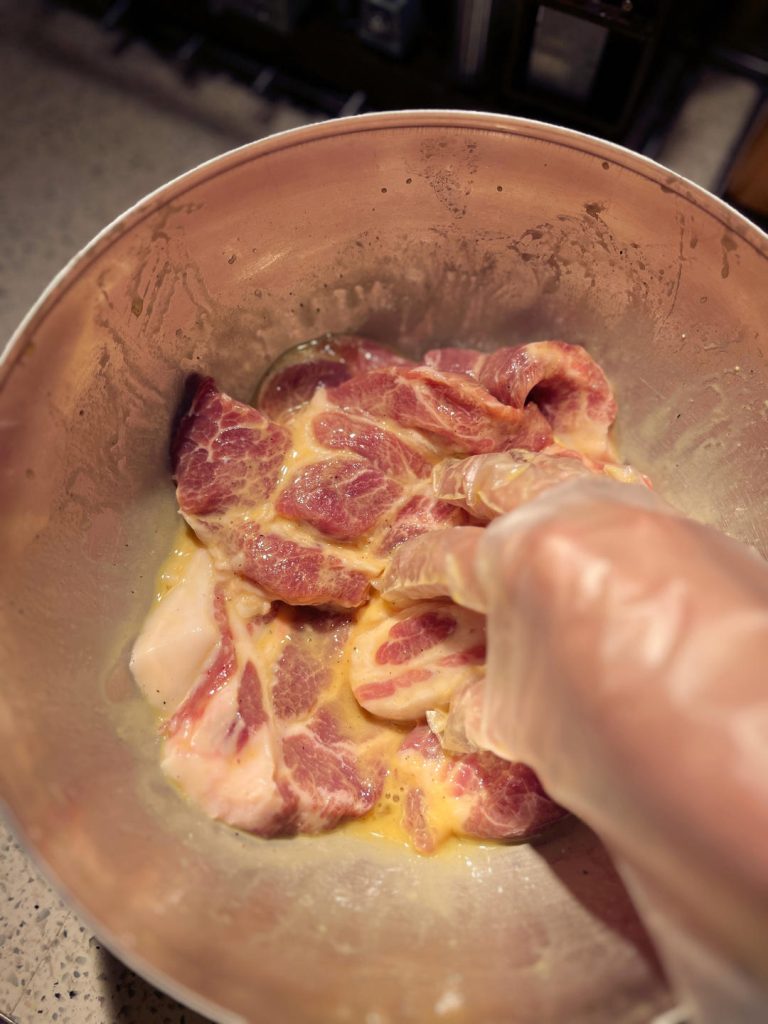
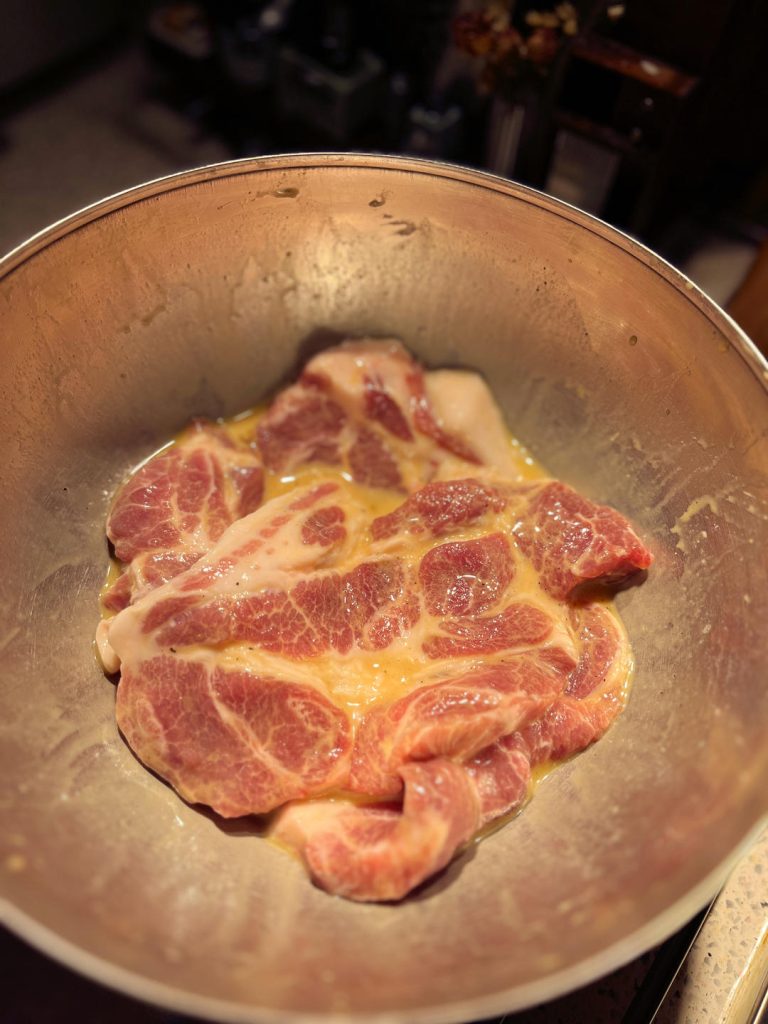
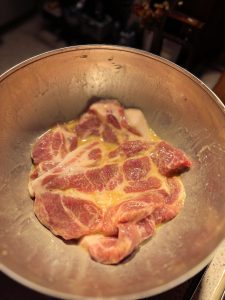
Place the pork in a bowl. Add the black pepper sea salt, 1 tablespoon of cornstarch, and crack in the egg. Massage the mixture into the pork with your hand until it feels sticky and absorbed.
- Time: Let it sit for at least 30 minutes.
- Chef’s Note: This coating protects the meat from the direct heat of the pan, keeping it silky inside.

Step 3: Dredge
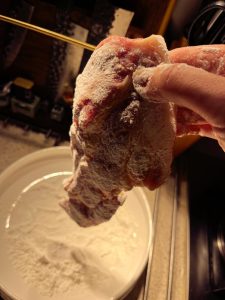
Prepare a shallow plate with the remaining cornstarch. Press each piece of marinated pork into the starch to coat both sides lightly. Shake off the excess powder.
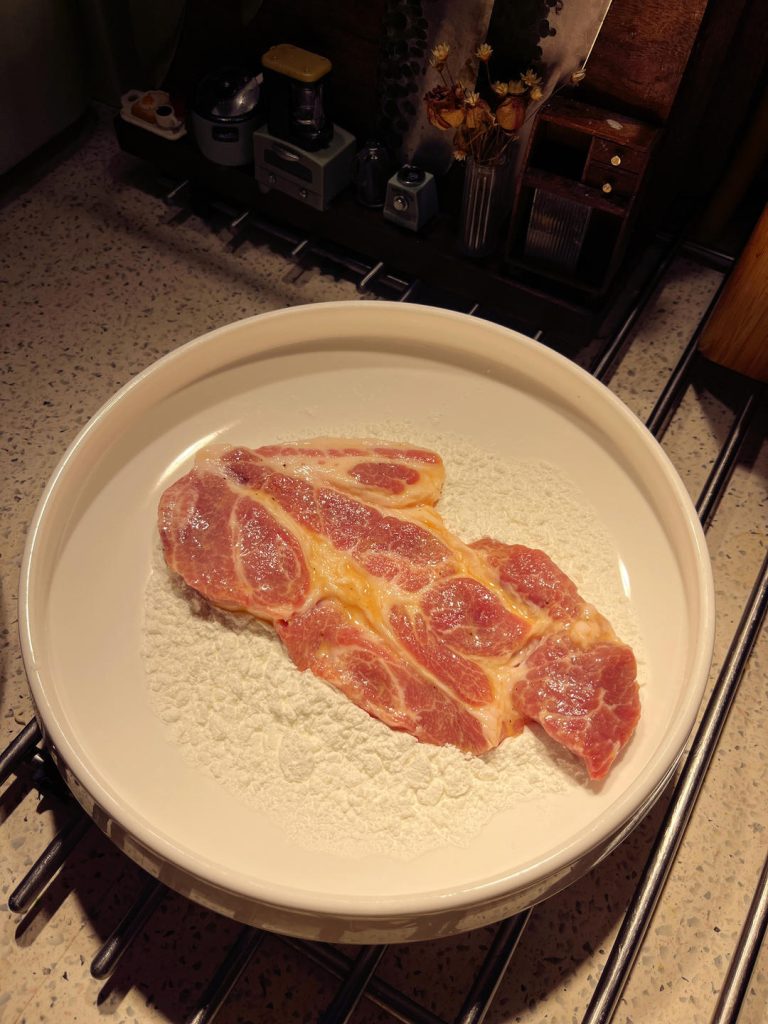
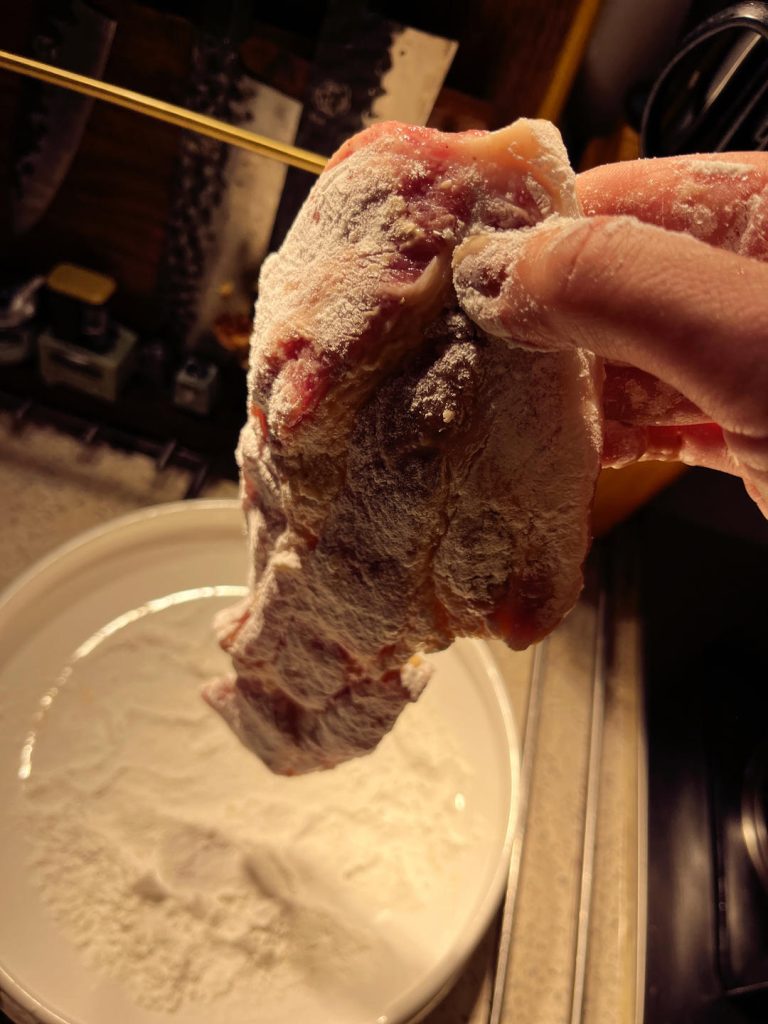
Visual Cue: You want a thin, white dusting, not a thick, clumpy batter.
Step 4: Pan-Fry
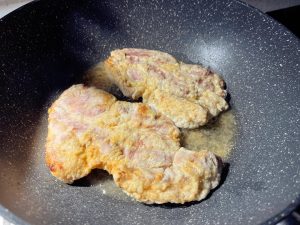
Heat your oil in the pan over medium-high heat. Once the oil creates varying ripples (about 350°F/175°C), carefully lay the pork chops in. Fry for about 3-4 minutes per side until they are golden brown and crispy. Remove the pork and set aside on a wire rack or plate.
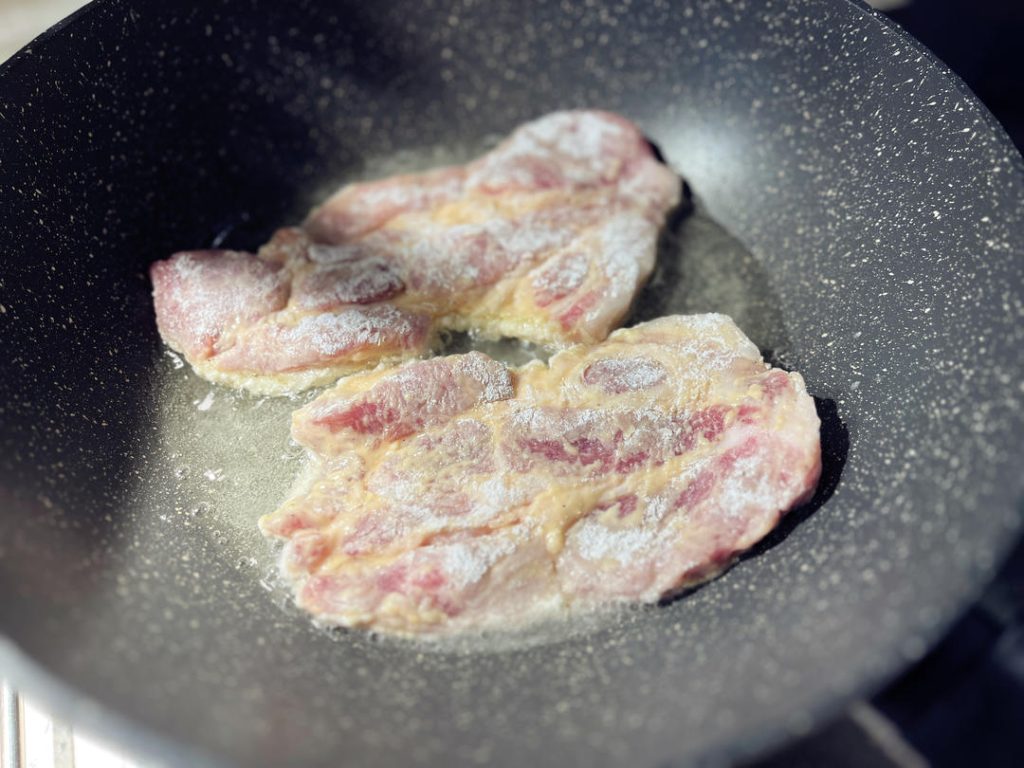
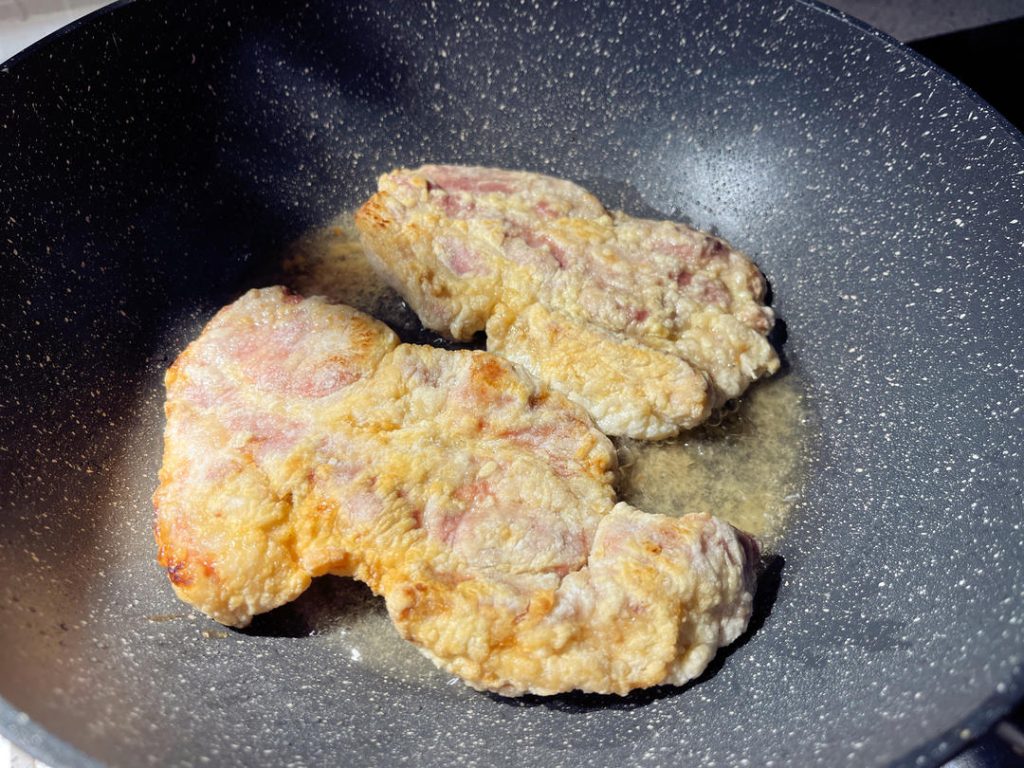
Safety: Ensure the pork reaches an internal temperature of at least 145°F (63°C) according to USDA guidelines.
Step 5: Make the Sauce Mixture
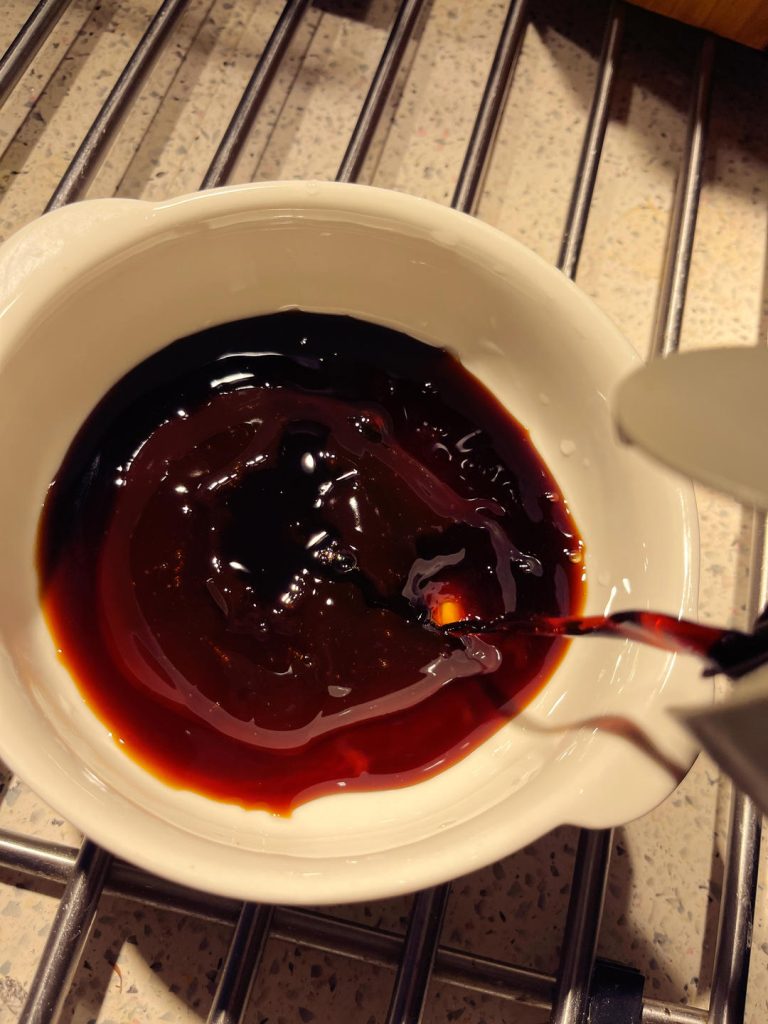
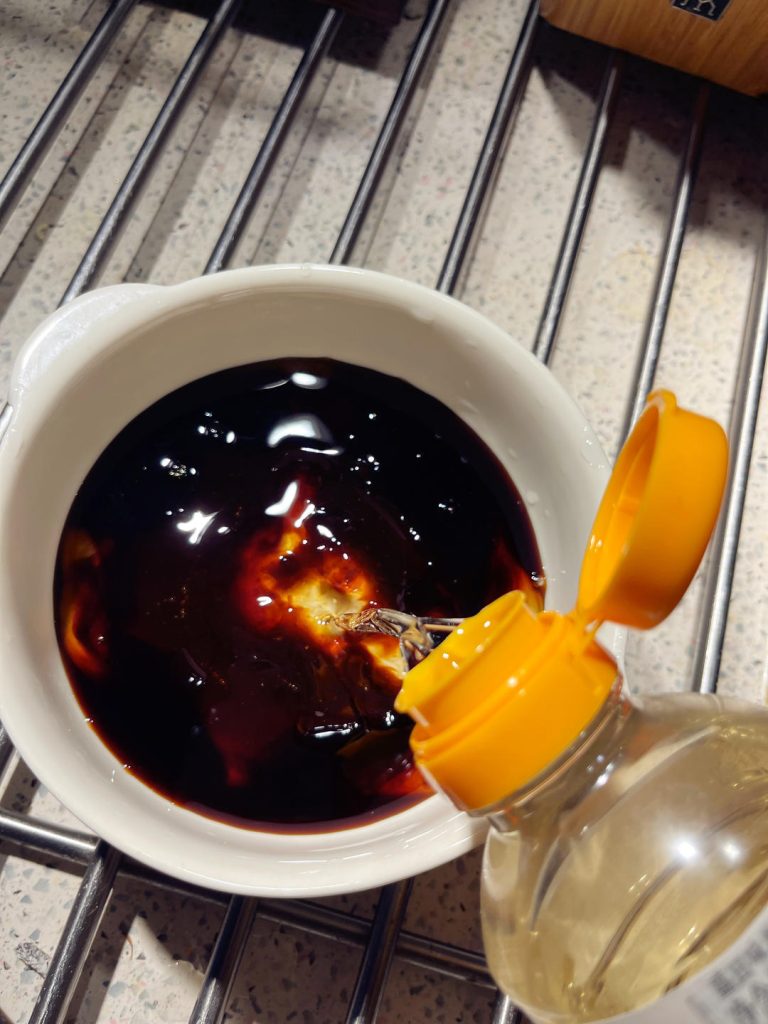
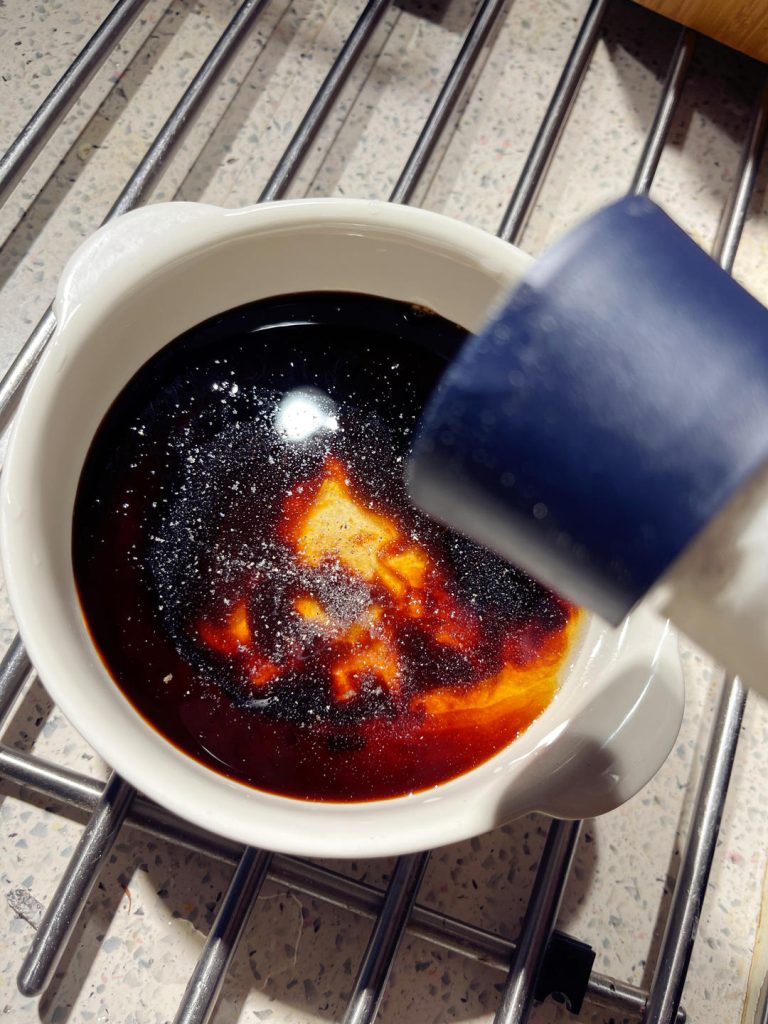
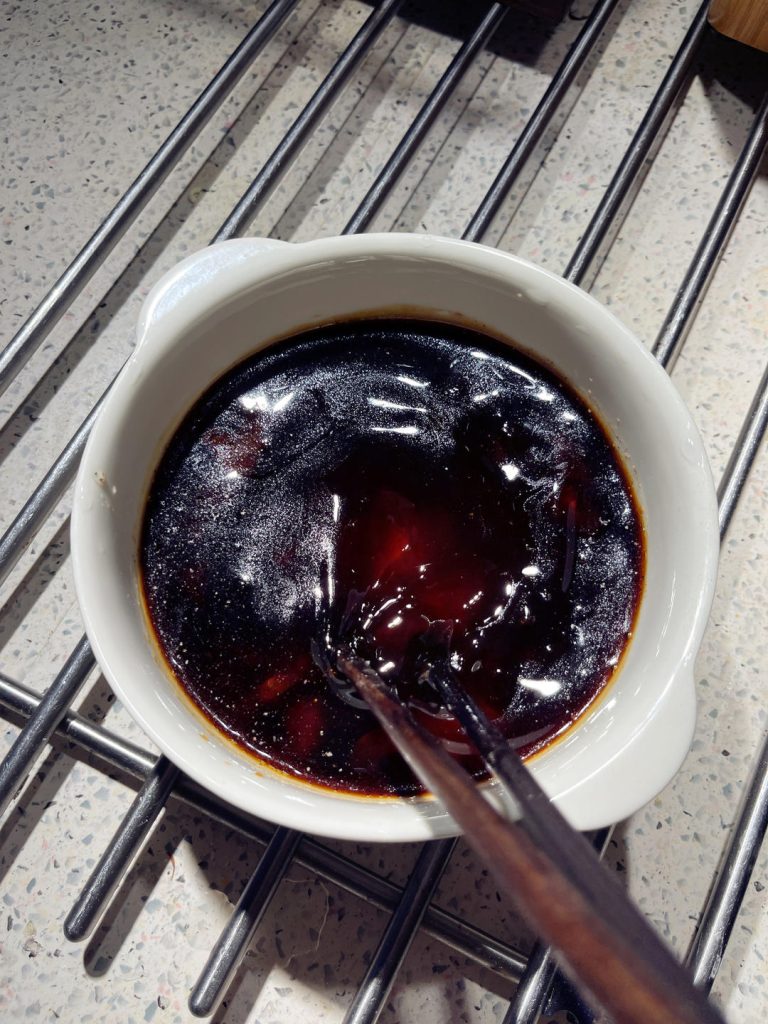
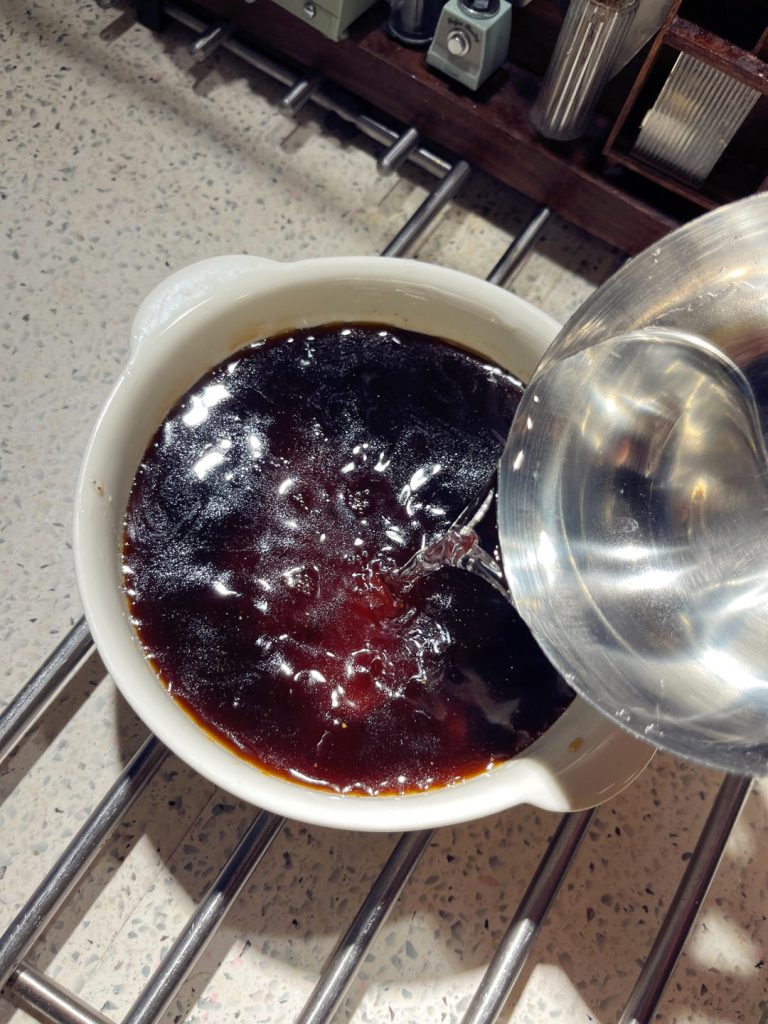
While the pork rests, take a small bowl and combine the light soy sauce, oyster sauce, mirin, black pepper sea salt, rock sugar, and water. Stir until the sugar begins to dissolve.
Step 6: Braise and Glaze
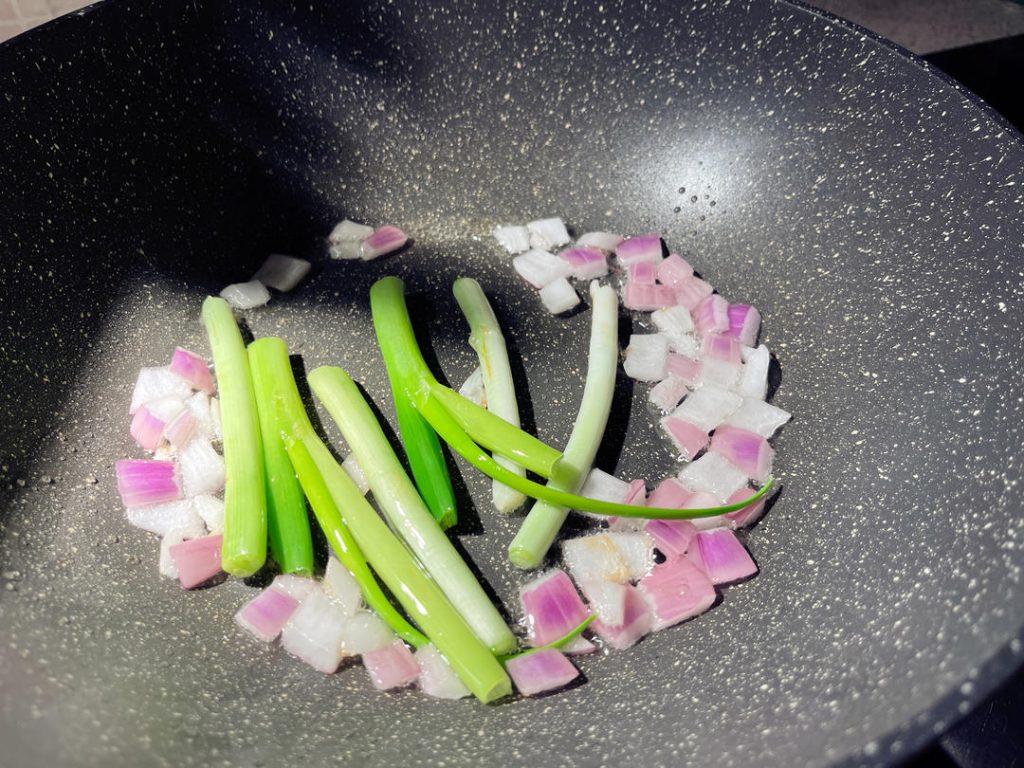
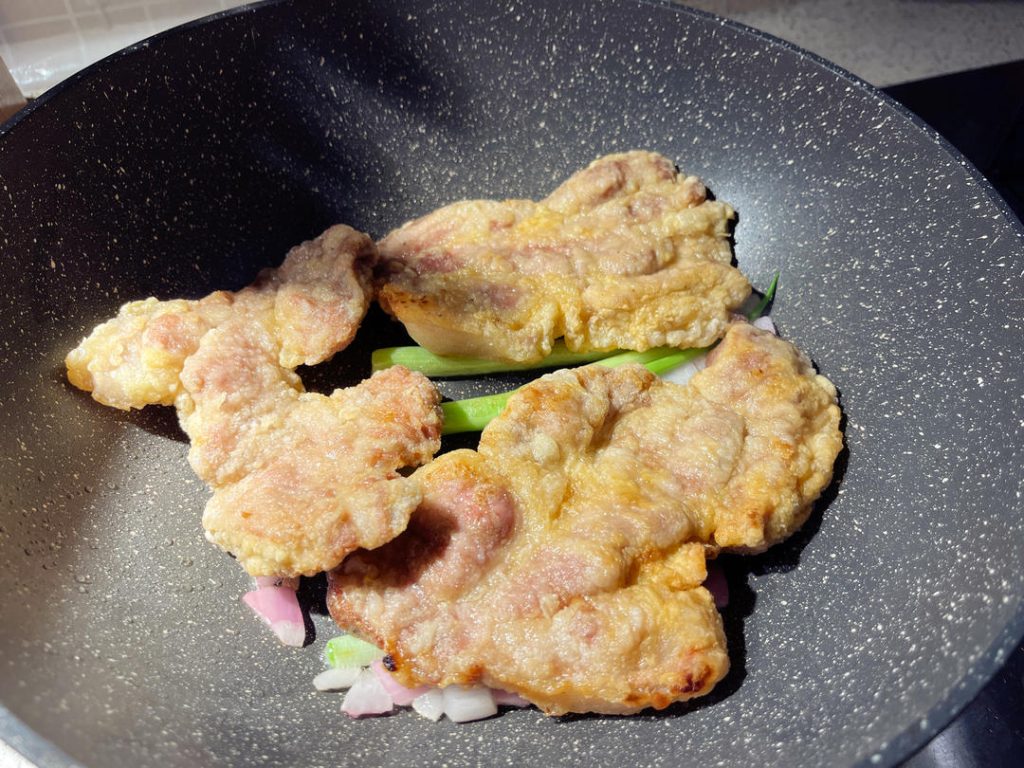
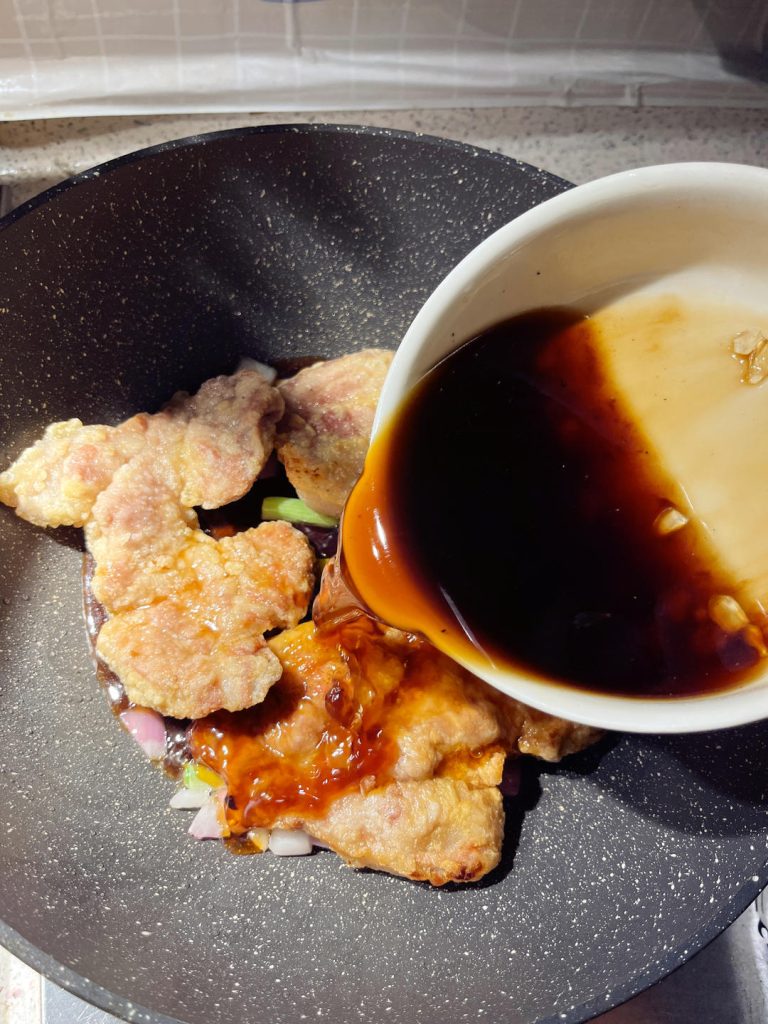
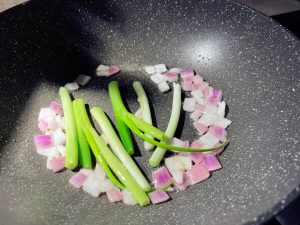
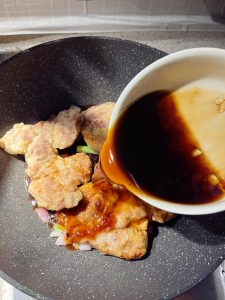
In the same pan (remove excess oil if it’s too greasy), add the sliced onions and scallions. Stir-fry until fragrant and the onions turn translucent, about 1-2 minutes. Place the fried pork chops back into the pan on top of the aromatics. Pour the sauce mixture over everything.
Step 7: Simmer
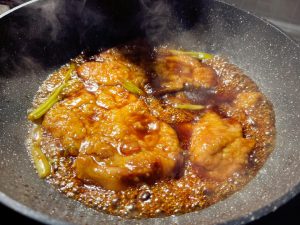
Turn the heat to medium-low. Let the pork stew in the sauce for 6 to 7 minutes. The cornstarch from the fried pork will naturally thicken the sauce as it cooks.
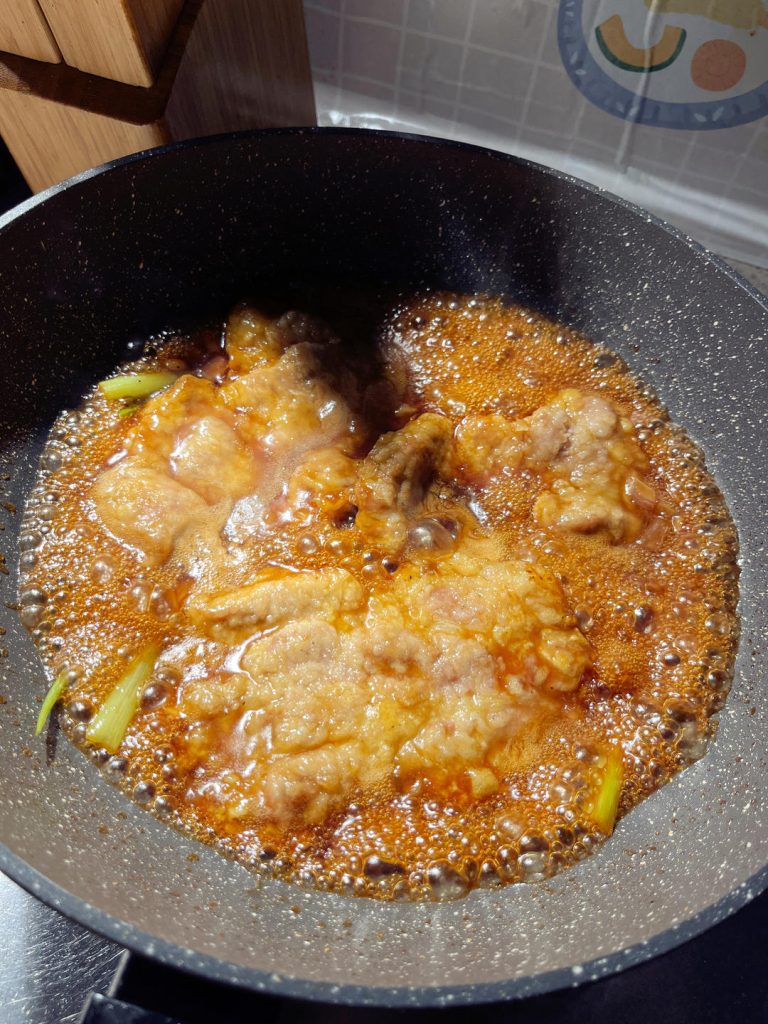
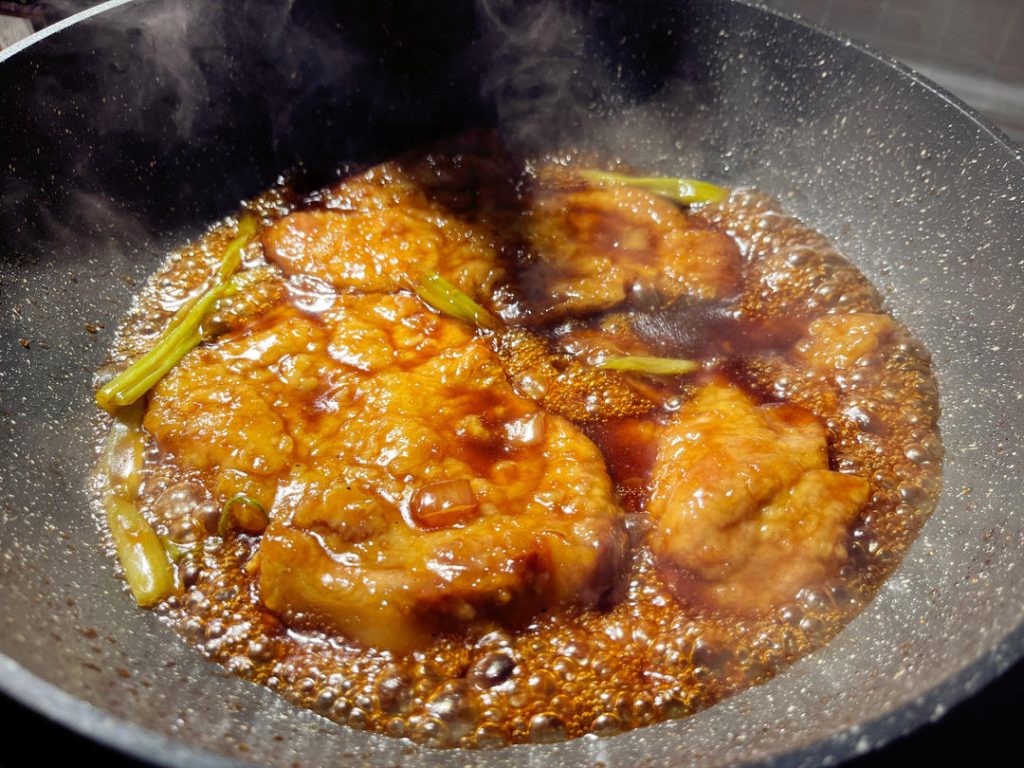
- Visual Cue: The dish is ready when the sauce coats the back of a spoon and looks glossy and sticky, not watery.
Step 8: Assemble
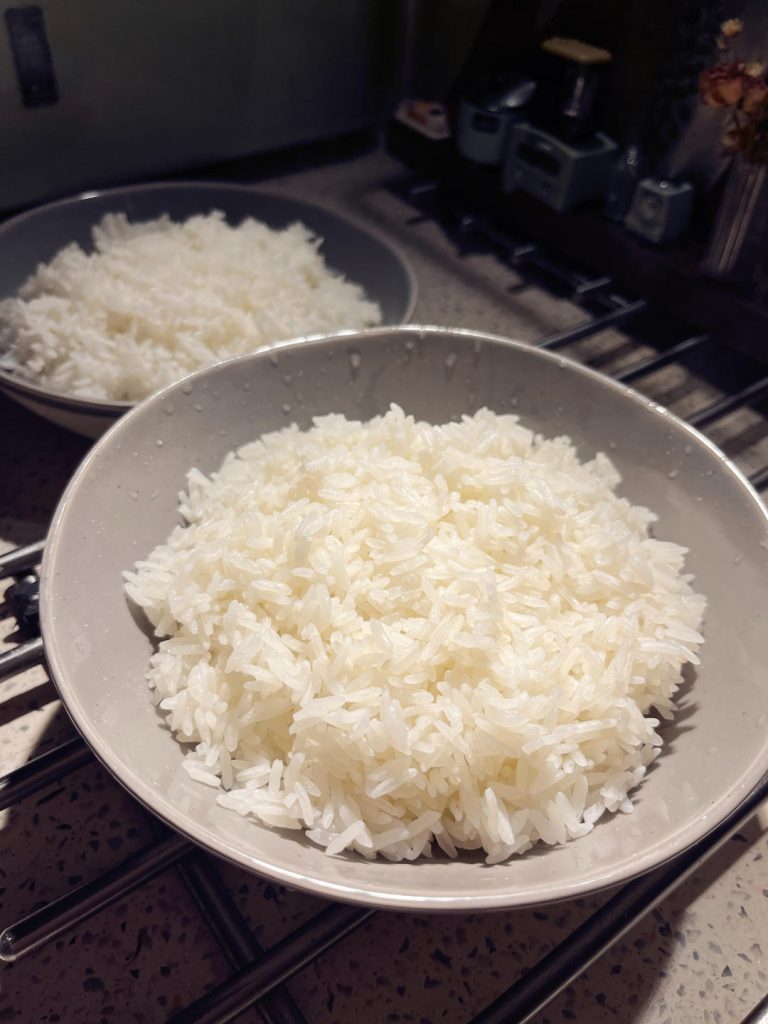
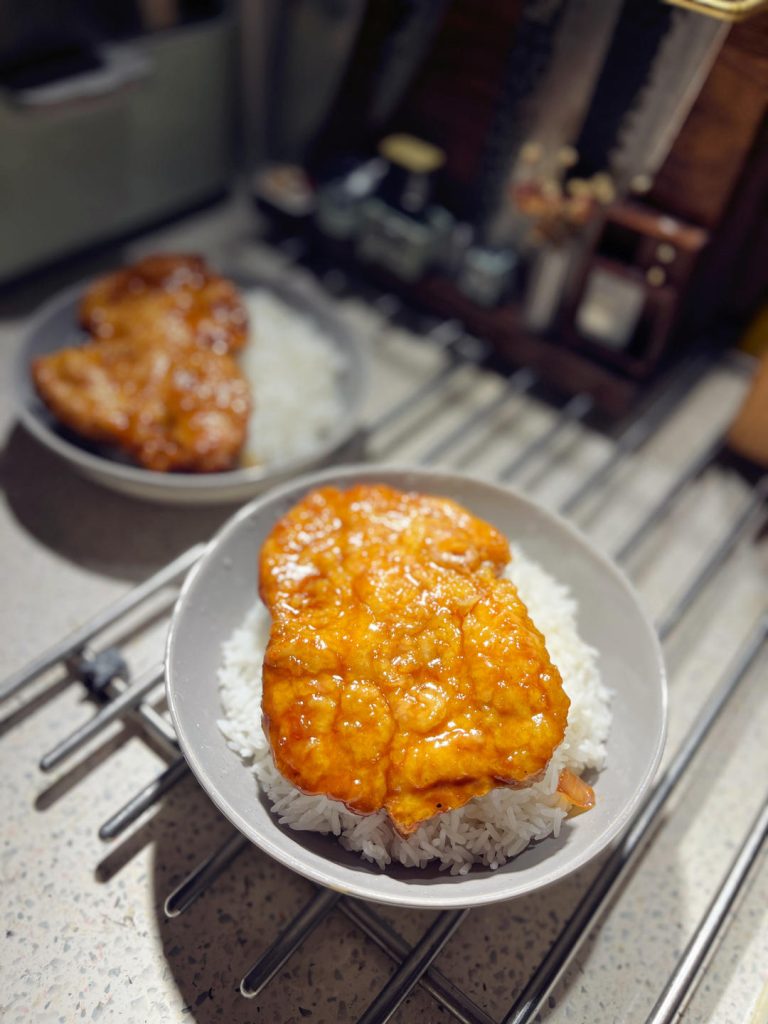
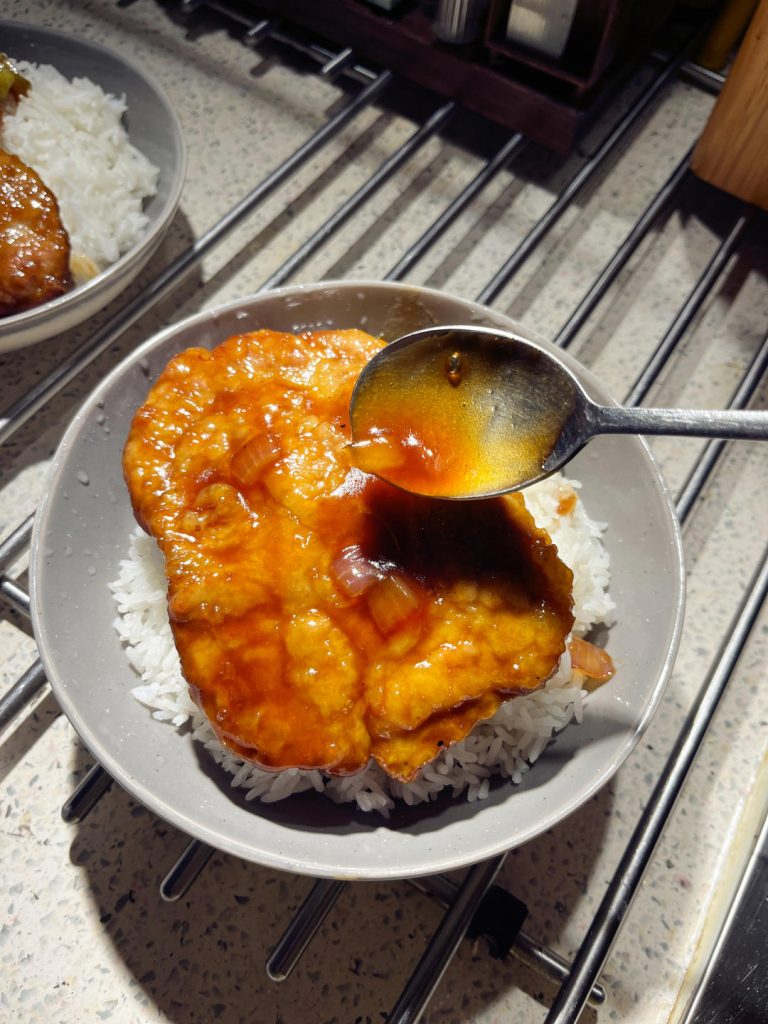
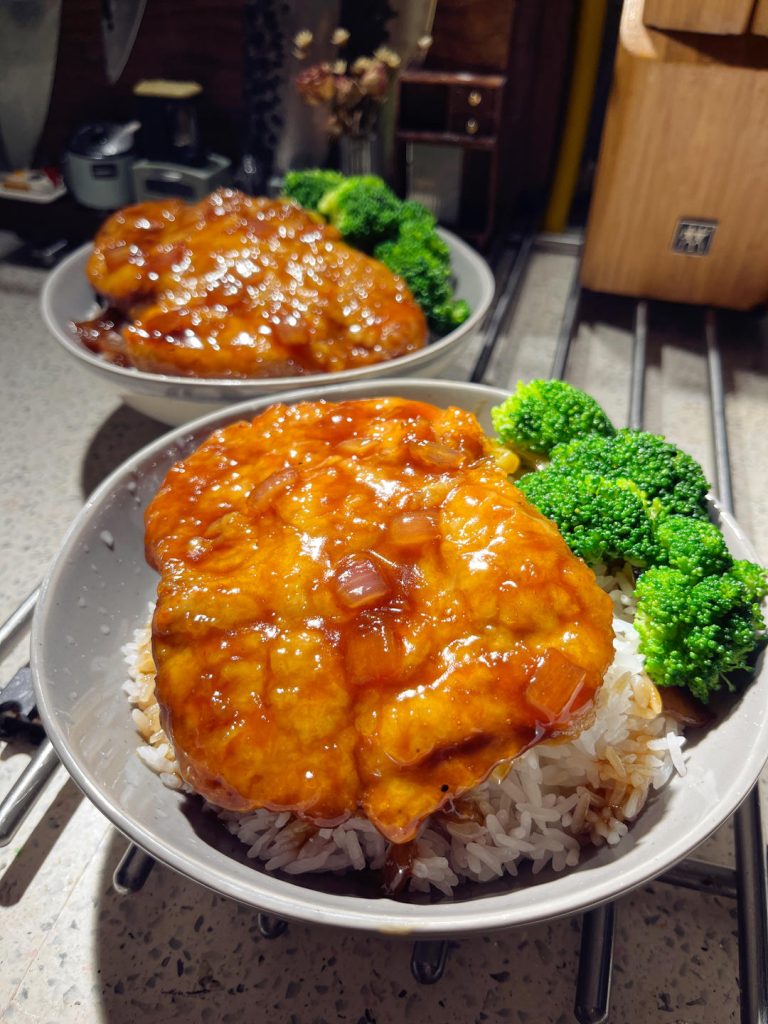
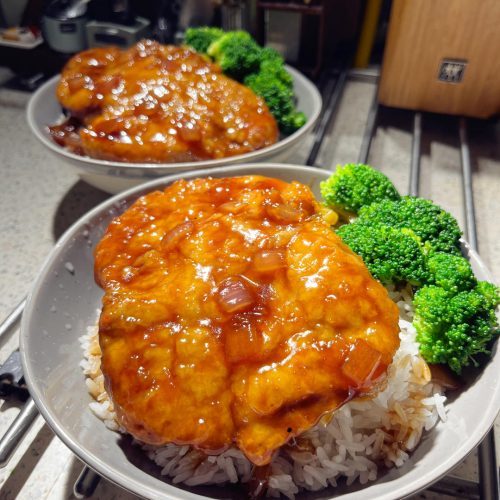
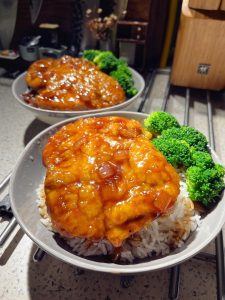
Scoop hot steamed rice into a bowl. Place a pork chop on top, followed by your blanched vegetables (broccoli or bok choy work great). Spoon that delicious, thick onion gravy generously over the pork and rice. Enjoy immediately!
Tips for Success
- Don’t skip the resting: Letting the pork rest after the initial fry helps redistribute the juices before you simmer it.
- Control the Salt: Oyster sauce and soy sauce vary in sodium levels. If you are sensitive to salt, start with less soy sauce and adjust at the end.
- The “Double Starch”: We use starch in the marinade and as a dry coating. This double application ensures the crust stays on the meat and doesn’t dissolve instantly in the sauce.
Common Troubleshooting & FAQ
Q: Why is my coating falling off the pork?
A: This usually happens if the pork was too wet before dredging, or if the oil wasn’t hot enough. Make sure to shake off excess marinade before dipping in dry cornstarch, and don’t overcrowd the pan, which lowers the oil temperature.
Q: Can I use chicken instead?
A: Absolutely! Boneless chicken thighs work perfectly with this method. Chicken breast can be used too, but be careful not to overcook it during the braising stage. You might like this similar to our Sweet and Sour Chicken.
Q: My sauce is too runny. What do I do?
A: If the sauce hasn’t thickened after 7 minutes, remove the pork (so it doesn’t overcook) and turn the heat up to high to reduce the liquid quickly. The sauce should be syrupy.
Serving Suggestions
This dish is a complete meal on its own (protein + carb + veggie), often referred to as Gaifan (plate over rice).
- Vegetables: I love serving this with simple blanched Bok Choy or Stir-fried Lettuce with Garlic to cut through the richness of the pork.
- Soup: A light soup like Tomato Egg Drop Soup pairs wonderfully.
How to Store & Reheat
- Storage: Store the pork and rice in airtight containers in the refrigerator for up to 3 days.
- Reheating: Microwave is convenient, but for best results, reheat the pork in a pan with a splash of water to loosen the sauce. Ensure the pork is heated through to 165°F (74°C).
- Freezing: I do not recommend freezing this dish after the sauce has been added, as the coating will become mushy upon thawing.
Nutrition Information (Per Serving, Estimate):
- Calories: ~550 kcal
- Protein: 35g
- Carbohydrates: 45g
- Fat: 25g
- Sodium: 980mg
- Allergens: Contains Soy, Wheat (in soy sauce/oyster sauce), Egg, and Pork.
Safety Warnings:
- Internal Temperature: Ensure the pork reaches a safe internal temperature of at least 145°F (63°C) as measured by a food thermometer.
- Hot Oil Safety: Be cautious of hot oil splatters when placing the pork into the pan. Gently lay the meat away from you to avoid splashes.
- Cross-Contamination: Wash hands and surfaces thoroughly after handling raw pork and eggs.
Chef’s Tips for Success:
Sauce Consistency: If the sauce hasn’t thickened to a glossy glaze after 6-7 minutes, remove the pork temporarily (so it doesn’t overcook) and turn the heat to high to reduce the liquid quickly.
Best Cut of Meat: Using Pork Collar (also known as Pork Shoulder Steaks or Mei Hua Rou) is highly recommended over Pork Loin. The intramuscular fat keeps it juicy during the braise. If you must use Loin, be careful not to overcook it, as it dries out quickly.
The “Double Starch” Technique: We use cornstarch in the marinade and as a dry coating. This double application ensures the crust stays on the meat and doesn’t dissolve instantly in the sauce, providing that signature “velvety” texture.
Have you tried this recipe? Leave a comment below! I’d love to hear how it turned out for you. If you are looking for more pork dishes, check out my Sweet and Sour Pork recipe!
Chinese Pan-Fried Pork Chops with Rice (Zhu Pai Fan)

Equipment
- 1 Frying Pan or Skillet 12-inch non-stick or cast iron preferred
- 1 Meat Mallet Or the back of a heavy knife
Ingredients
The Pork & Marinade
- 1 lb pork collar (pork shoulder steaks) or boneless pork chops, sliced 1/2 inch thick
- 1/2 tsp black pepper sea salt or mix of regular salt and black pepper
- 1 tbsp cornstarch for marinade
- 1 large egg
- 1/2 cup cornstarch for coating/dredging
- 2 tbsp neutral oil vegetable or canola
The Sauce
- 2 tbsp light soy sauce Pearl River Bridge or Kikkoman
- 1 tbsp oyster sauce
- 1 tbsp mirin can substitute with Shaoxing wine
- 10 g yellow rock sugar or 1 tbsp brown sugar
- 1/2 cup water
Aromatics & Serving
- 2 stalks scallions cut into sections
- 1/2 yellow onion sliced
- 2 cups steamed rice for serving
- 1 cup blanched vegetables broccoli or bok choy
Instructions
- Slice the pork collar (or shoulder steaks) into 1/2 inch thick pieces. Use the back of a knife or a meat mallet to gently pound and loosen the meat fibers.

- Place pork in a bowl. Add black pepper sea salt, 1 tablespoon cornstarch, and the egg. Mix well with your hands until sticky. Let marinate for at least 30 minutes.
- Prepare the scallions and sliced onions. In a separate small bowl, mix the sauce ingredients: light soy sauce, oyster sauce, mirin, rock sugar, salt/pepper, and water.

- Put the remaining 1/2 cup cornstarch on a plate. Coat each piece of pork evenly with the cornstarch and shake off excess.
- Heat oil in a frying pan over medium-high heat. Pan-fry the pork chops until golden brown on both sides (about 3-4 minutes per side). Ensure pork reaches an internal temperature of at least 145°F (63°C). Remove pork from the pan.
- In the same pan, add the scallions and onions. Stir-fry until fragrant.
- Place the pork chops back into the pan on top of the onions. Pour the sauce mixture over the pork.
- Lower heat to medium-low and simmer for 6-7 minutes until the sauce thickens and coats the meat glossy.
- Serve the pork chop over steamed rice, spoon the thickened sauce over top, and add blanched vegetables on the side.
Notes
- Best Cut of Meat: Using Pork Collar (also known as Pork Shoulder Steaks or Mei Hua Rou) is highly recommended over Pork Loin. The intramuscular fat keeps it juicy during the braise. If you must use Loin, be careful not to overcook it, as it dries out quickly.
- The “Double Starch” Technique: We use cornstarch in the marinade and as a dry coating. This double application ensures the crust stays on the meat and doesn’t dissolve instantly in the sauce, providing that signature “velvety” texture.
- Sauce Consistency: If the sauce hasn’t thickened to a glossy glaze after 6-7 minutes, remove the pork temporarily (so it doesn’t overcook) and turn the heat to high to reduce the liquid quickly.








Leave a Reply