Many home cooks feel intimidated when they first step into an Asian grocery store. The wall of soy sauces alone is enough to make anyone turn back toward the pasta aisle. You might have experienced the frustration of a “watery” stir-fry or a dish that tastes flat despite using five different sauces. The truth is, you don’t need a specialized kitchen or a hundred obscure bottles to cook authentic Chinese food. You just need the right foundation.
Quick Answer: The 80/20 of Chinese Cooking
To achieve restaurant-quality results on a standard home stove, you only need three core tools—a 14-inch carbon steel wok, a metal spatula, and a sharp cleaver—paired with a “Pantry Trinity” of light soy sauce, Shaoxing wine, and toasted sesame oil. This setup allows you to execute 90% of classic Chinese recipes with professional precision.
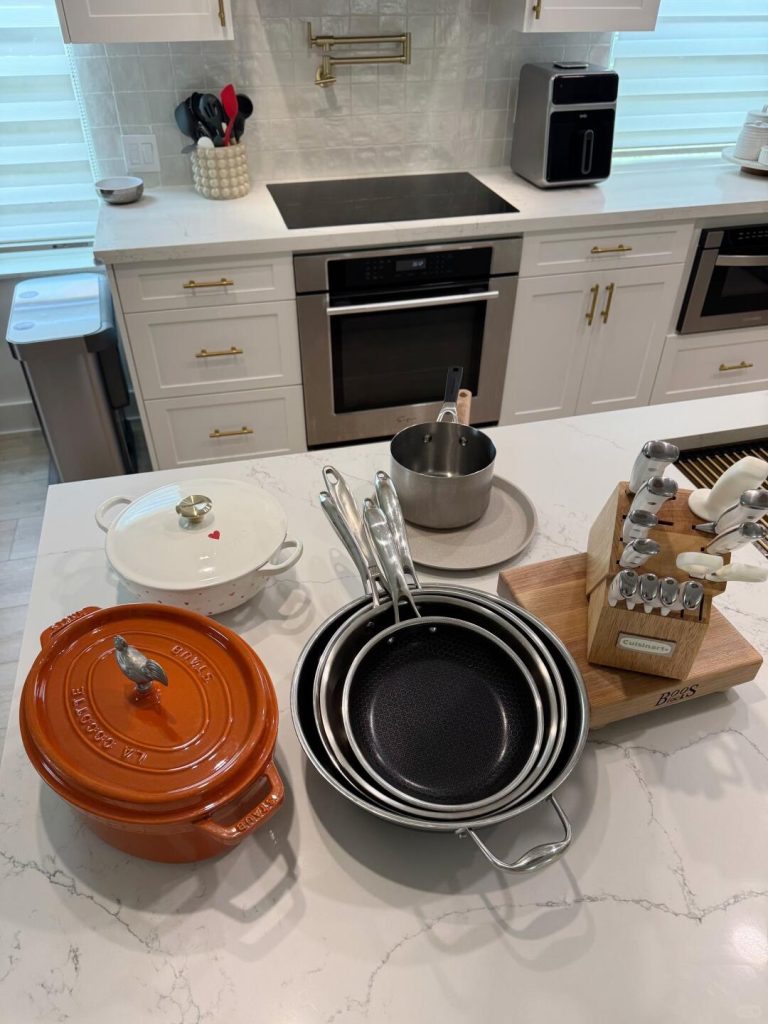
Why This Setup Works
Chinese cooking is a balance of heat management and flavor layering. Home stoves typically output between 10,000–18,000 BTU, whereas restaurant burners roar at 80,000–120,000 BTU.
By using a carbon steel wok with high thermal conductivity (~45–60 W/m·K), you maximize the limited heat of your home burner, facilitating the Maillard reaction even without industrial equipment.
A focused pantry ensures you aren’t masking high-quality ingredients with too many competing flavors. When you understand the specific role of each sauce—salt from light soy, depth from dark soy, and acidity from vinegar—you can troubleshoot any dish on the fly.
Real Kitchen Insight
In my experience working in restaurant kitchens, we never had “special” miracle ingredients. What we had was a deep understanding of our tools. Most beginners don’t realize that a well-seasoned carbon steel wok is actually more non-stick than a Teflon pan when handled correctly. In a restaurant, we rely on “Long Yao” (passing oil through the wok) to create a hydrophobic surface. At home, you can achieve a similar effect by properly preheating your pan until a drop of water evaporates instantly—usually around 380–400°F (193–204°C).
Essential Tools for the Chinese Kitchen
1. The 14-Inch Carbon Steel Wok
This is the heart of the kitchen. Carbon steel is preferred because it responds instantly to heat changes. For home cooks on electric or gas stoves, a flat-bottomed wok is essential for maximum surface contact. Choosing the best carbon steel wok for beginners will save you years of frustration with sticking and uneven heating.
2. The Wok Spatula (Chuan)
A traditional Chinese spatula has a curved edge designed to follow the contour of the wok. This allows you to scoop and toss ingredients efficiently, which is critical when trying to get wok hei at home without the massive flames of a commercial kitchen.
3. The Stainless Steel Spider
Essential for blanching vegetables or lifting fried items out of hot oil. It drains liquid much faster than a slotted spoon, preventing your ingredients from overcooking in the residual heat.
Equipment Comparison: Restaurant vs. Home
| Variable | Restaurant Wok Station | Western Home Kitchen |
|---|---|---|
| Burner Output | 80,000–120,000 BTU | 10,000–18,000 BTU |
| Material | Heavy Carbon Steel | Lightweight Carbon Steel / Cast Iron |
| Heat Recovery | < 10 seconds | 30–60 seconds |
The Essential Pantry: Ingredients You Actually Need
1. Light Soy Sauce (Sheng Chou)
This is your primary seasoning. It is saltier and thinner than dark soy sauce. Its purpose is to provide “umami” and salt without darkening the ingredients too much. Always look for “naturally brewed” on the label.
2. Dark Soy Sauce (Lao Chou)
Used mainly for color and a hint of sweetness. It is aged longer and often contains molasses. A little goes a long way; just a teaspoon can turn a pale stir-fry into a rich, mahogany-colored masterpiece. You can learn more about the differences in our light soy sauce guide.
3. Shaoxing Wine (Rice Cooking Wine)
The secret to “restaurant smell.” It removes raw meaty odors and adds a complex, nutty aroma. If you cannot find it, the best substitute for Shaoxing wine is usually a dry pale sherry.
4. Chinkiang Vinegar (Black Vinegar)
Think of this as the balsamic vinegar of China. It is malty, acidic, and slightly sweet. It’s the soul of dishes like Kung Pao chicken. Using a high-quality Chinese black vinegar is non-negotiable for authentic cold appetizers.
5. Toasted Sesame Oil
This is a finishing oil, not a cooking oil. Its smoke point is too low for frying. Add it at the very end to provide a nutty fragrance.
6. Cornstarch
The key to “velveting” meat. Coating sliced meat in a cornstarch slurry creates a protective barrier that keeps the protein tender and juicy, even under high heat.
Prep Strategy: Mise en Place
In Chinese cooking, the actual frying takes 3–5 minutes, but the prep takes 20.
- Uniform Cutting: Ensure all ingredients are cut to a similar size to guarantee they cook at the same rate.
- Dry Your Ingredients: Moisture is the enemy of the Maillard reaction. If your vegetables are wet, they will steam instead of fry.
- Sauce Pre-mixing: Don’t add sauces one by one to the wok. How to make stir fry sauce from scratch involves whisking your liquids and starches in a bowl beforehand so you can pour them in all at once when the heat is at its peak.
5 Common Mistakes + Fixes
| Mistake | Why it Happens | The Fix |
|---|---|---|
| Watery Stir-fry | Overcrowding the pan or wet veggies. | Fry in small batches; dry veggies thoroughly. |
| Burnt Garlic | Adding aromatics too early. | Add garlic/ginger only when the oil is shimmering. |
| Tough Meat | Skipping the “velveting” step. | Marinate meat with a splash of oil and cornstarch for 15 mins. |
| Bland Flavor | Not balancing the “Big Three” (Salt, Acid, Sweet). | Add a pinch of sugar to balance salty soy sauce. |
| Sticky Wok | Adding food to a cold pan. | Heat wok until “wisps of smoke” appear before adding oil. |
Pro Tips for Home Cooks
- Smoke Point Matters: Always use oils with a high smoke point, like peanut, canola, or grapeseed oil (400–450°F / 204–232°C). Avoid extra virgin olive oil or butter. Check our best oil for stir-fry guide for a full breakdown.
- The Sizzle Test: If you don’t hear a loud “hiss” the moment the food hits the oil, your pan isn’t hot enough. Remove the food immediately and reheat the pan.
Mini Recipe: The “Starter” Garlic Bok Choy
- Prep: Wash 1lb (450g) of Baby Bok Choy and dry completely. Mince 3 cloves of garlic.
- Heat: Set your wok over high heat until it smokes. Add 2 tbsp of high-smoke point oil.
- Sizzle: Throw in the garlic for exactly 5 seconds (don’t let it brown).
- Flash Fry: Add the Bok Choy. Toss constantly for 2 minutes.
- Season: Add 1 tsp of light soy sauce and a pinch of sugar. Toss for 30 more seconds.
- Finish: Turn off the heat and drizzle with 1/2 tsp of toasted sesame oil.
About the Author & Recipe Development
I’m Lin, and I’ve spent over a decade in professional Chinese kitchens, from high-volume banquet halls to family-run bistros. This starter pack wasn’t created by looking at a textbook; it’s the result of years spent adapting restaurant techniques to the constraints of a Western home kitchen. Every tool and ingredient listed here has been tested across gas, electric, and induction cooktops to ensure they provide the most reliable “bang for your buck.”
Allergen Notice & Safety
- Allergens: This starter pack includes Soy (Soy sauce), Gluten (Shaoxing wine and most soy sauces), and Sesame (Sesame oil). For gluten-free alternatives, substitute soy sauce with Tamari.
- Fire Safety: Never leave a smoking wok unattended. If an oil fire occurs, cover the pan with a lid; never use water.
- Ventilation: High-heat stir-frying produces significant particulates. Always run your range hood on its highest setting.
Sources & Standards Referenced
- Harvard T.H. Chan School of Public Health – Cooking Oils and Smoke Points
- USDA Food Safety and Inspection Service – Safe Minimum Internal Temperature Chart
Frequently Asked Questions
1. Can I use a non-stick pan instead of a wok?
You can, but you cannot use high heat (above 450°F) as it damages the coating and releases fumes. To compensate, cook in even smaller batches to maintain the pan’s temperature.
2. Is MSG necessary?
It is not “necessary,” but it is a standard umami enhancer in many authentic dishes. If you prefer to skip it, ensure you are using a high-quality, naturally brewed light soy sauce to provide that savory depth.
3. How do I store my sauces?
Soy sauce and vinegar are shelf-stable but should be kept in a cool, dark place. Toasted sesame oil can go rancid quickly; if you don’t use it fast, store it in the refrigerator.
4. Why does my stir-fry taste “flat”?
It usually lacks acidity or sugar. A tiny splash of black vinegar or a pinch of sugar at the end of cooking acts as a flavor “highlighter,” making the other ingredients pop.
5. Do I really need to season a carbon steel wok?
Yes. Without seasoning (creating a layer of polymerized oil), the carbon steel will rust and food will stick. It is a one-time process that improves every time you cook.
Nutrition Disclaimer:
Nutrition information is an estimate and provided for informational purposes only. The caloric and macronutrient content of Chinese dishes varies significantly based on the amount of oil used and the specific brands of fermented sauces. Always consult a medical professional for specific dietary needs.







Leave a Reply