Ever tried making a stir-fry that turned into a watery, gray mess instead of the vibrant, crisp dish you see in restaurants? Most home cooks start with high hopes, only to end up with mushy vegetables, bland sauce, or tough, chewy meat. It’s a common frustration, and usually, the blame lies with a lack of “system,” not a lack of talent.
The secret to Chinese home cooking isn’t about owning a massive industrial burner; it’s about managing moisture, heat, and timing. By mastering a few core preparation techniques-like drying your vegetables and properly slicing your protein-and understanding how to layer flavors, you can achieve restaurant-quality results on a standard electric or gas stove.
Why It Works: The Science of the Sizzle
Authentic Chinese cooking relies on the balance of heat and moisture. In a professional kitchen, a wok burner produces roughly 80,000-120,000 BTUs, allowing for instant moisture evaporation. On a standard Western home stove (typically 10,000-18,000 BTUs), moisture is your enemy. If your ingredients are wet, the pan temperature drops, and the food steams instead of searing.
By controlling the “Mise en Place” (everything in its place) and using high-smoke-point oils, you create the environment for the Maillard reaction-the chemical process that gives browned food its distinctive flavor.
The Real Kitchen Insight
In my experience working in restaurant kitchens, I’ve seen that the difference between a “good” dish and a “great” dish often happens before the stove is even turned on. What most beginners don’t realize is that the “wok hei” (breath of the wok) they crave is actually achievable at home if you cook in smaller batches. In a restaurant, we can toss three pounds of food at once because of the massive heat. At home, you must limit yourself to about one pound of total ingredients to keep that pan hot enough to sizzle.
Essential Ingredients and Substitutes
To start your journey, you need a basic pantry. If you don’t have access to an Asian grocer, these Western-friendly swaps work surprisingly well:
- Light Soy Sauce: For salt and savory depth. Substitute: All-purpose soy sauce.
- Shaoxing Wine: For aroma and removing “gaminess” from meat. Substitute: Dry sherry or Japanese sake.
- Cornstarch: Critical for thickening sauces and “velveting” meat..
- Oyster Sauce: For that “umami” punch and glossy finish. Substitute: Oyster sauce (Vegetarian versions made from mushrooms are great).
- Aromatics: Fresh ginger, garlic, and scallions are non-negotiable.
Prep Strategy: The Success Blueprint
- Cut for Surface Area: Always slice meat against the grain into thin, uniform pieces. This ensures every piece cooks at the same rate and remains tender.
- The “Bone Dry” Rule: After washing vegetables, use a salad spinner or paper towels. Any water left on the leaves will cause the oil to pop and the temperature to plummet.
- The Sauce Slurry: Never add individual seasonings to the pan one by one. Mix your stir fry sauce in a small bowl beforehand. This prevents the aromatics from burning while you’re reaching for the salt.
Step-by-Step: The Master Stir-Fry Method
- Preheat the Pan: Heat your wok or skillet over high heat until a drop of water flicked onto the surface evaporates instantly (about 380-400°F / 193-204°C).
- The Oil Swirl: Add 2 tablespoons of high-smoke-point oil (like peanut or canola). You should see light wisps of smoke-this is the signal to act.
- Sear the Protein: Spread the meat in a single layer. Don’t move it for 30-60 seconds. You should hear a loud, aggressive sizzle. Once browned, remove it from the pan.
- Aromatics and Vegetables: Add your ginger and garlic. As soon as you smell them (about 10 seconds), toss in the vegetables. Stir-fry for 2-3 minutes until crisp-tender.
- Recombine and Glaze: Return the meat to the pan. Give your sauce bowl a quick stir (cornstarch settles!) and pour it around the edges of the pan, not directly on the food.
- Final Toss: Toss for another 30 seconds until the sauce bubbles and turns translucent. Finish with a few drops of sesame oil for aroma.
Common Mistakes When Making Stir-Fry
| Mistake | Why it Happens | The Fix |
|---|---|---|
| Watery Sauce | Adding vegetables with too much moisture or not enough starch. | Dry veggies thoroughly; ensure the cornstarch slurry is well-mixed. |
| Burnt Garlic | Adding garlic too early or at too high a temperature. | Add aromatics last or right before the bulkier vegetables. |
| Tough Meat | Overcooking or cutting with the grain. | Slice against the grain and use the velvet chicken technique. |
| Sticky Pan | Pan wasn’t hot enough before adding oil. | Use the “Longyau” technique: heat the pan first, then add oil. |
Pro Tips for the Home Chef
- Wok vs. Skillet: If you have an electric flat-top stove, a heavy-bottomed stainless steel or cast iron skillet is often better than a round-bottomed wok, as it maintains more contact with the heat source.
- Flavor Layering: Always add a pinch of sugar. It doesn’t make the dish “sweet,” but it balances the salt of the soy sauce and enhances the “umami.”
- Wok Hei Hack: If you can’t get the pan hot enough, use a kitchen torch to lightly char the top of the food as you toss it to mimic that smoky flavor.
Mini Recipe: 15-Minute Garlic Chicken Stir-Fry
- Protein: 1 lb chicken breast, sliced thin against the grain.
- Vegetables: 2 cups broccoli florets (blanched) or bell peppers.
- Sauce: 2 tbsp light soy sauce, 1 tbsp oyster sauce, 1 tsp sugar, 1 tsp cornstarch, 1/4 cup water.
- Action: Follow the how to stir fry method above. Total cook time is approximately 6 minutes.
Frequently Asked Questions
1. Can I use olive oil for stir-frying?
Extra virgin olive oil has a low smoke point and a strong flavor. It’s better to use refined oils like peanut, canola, or grapeseed that can handle temperatures up to 450°F (232°C) without burning.
2. Why is my meat always gray and never brown?
You likely overcrowded the pan. The meat released moisture, and because there was too much food, the moisture couldn’t evaporate, causing the meat to boil in its own juices. Cook in batches!
3. Is Shaoxing wine necessary?
It adds a complex, fermented depth that defines many Chinese dishes. If you must skip it, a splash of dry white wine or even chicken broth with a drop of vinegar can help, but the flavor will be less “authentic.”
4. How do I keep my vegetables bright green?
For dense vegetables like broccoli or carrots, “blanch” them in boiling water for 60 seconds before stir-frying. This sets the color and ensures they are cooked through without spending too much time in the wok.
5. How do I get my sauce to look glossy like takeout?
That gloss comes from the “slurry”-a mixture of cornstarch and cold liquid. When it hits the hot pan and reaches 144°F-167°F (62°C-75°C), the starch granules gelatinize, creating that beautiful shine.
How to Serve
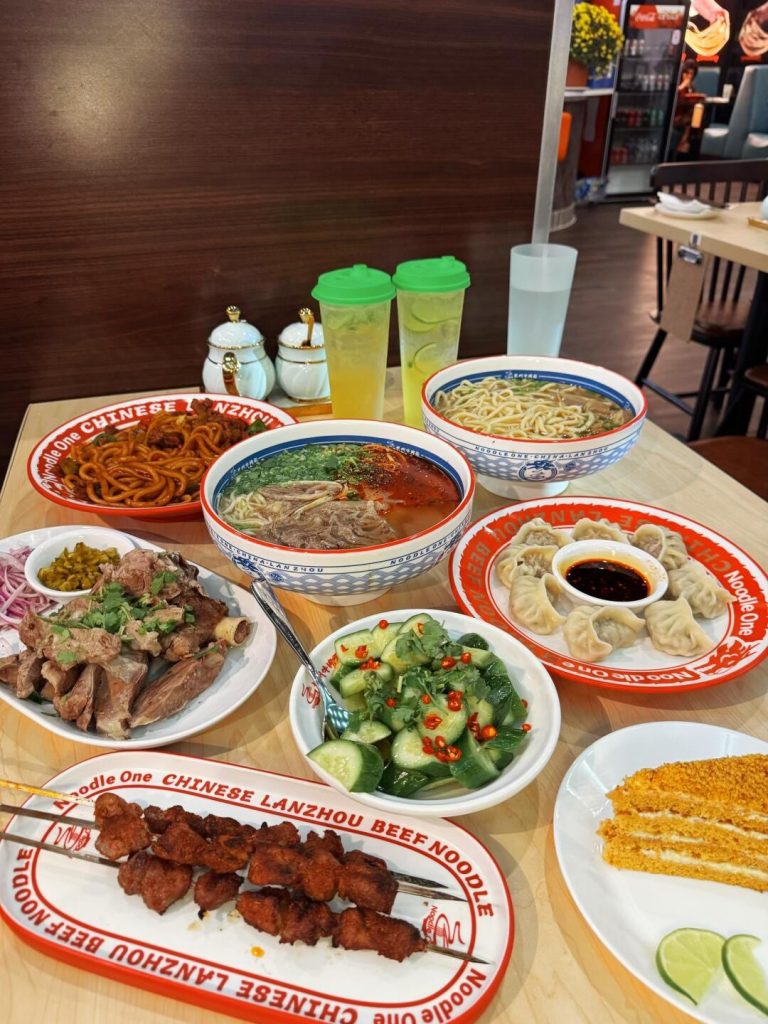
Chinese meals are traditionally served family-style. I recommend pairing this with a side of perfectly cooked jasmine rice. For a complete meal, try starting with a light seaweed egg drop soup or a refreshing smashed cucumber salad.
About the Author & Recipe Development
I am Lin, a professionally trained chef with over a decade of experience in high-volume Chinese restaurants and a lifetime of cooking in my family’s kitchen. This “Beginner System” was developed after years of testing restaurant techniques on standard home electric coils. My goal is to bridge the gap between professional “Wok Hei” and practical home cooking, ensuring your meals are safe, delicious, and consistent.
Sources & Standards Referenced
- USDA Food Safety and Inspection Service – Safe Minimum Internal Temperature Chart
- Harvard T.H. Chan School of Public Health – Cooking Oils and Smoke Points
- FDA Food Code – Cooking Temperature Guidelines
Nutrition Disclaimer
Nutrition information is an estimate and provided for informational purposes only. Sodium levels in Chinese cooking can be high; always adjust soy sauce and salt according to your dietary needs.




Leave a Reply