There is a particular sound a good chiffon cake makes when you press it: a soft, springy sigh, like a mattress giving way and bouncing right back. That is the whole promise of 戚风蛋糕 — a cake built almost entirely on air and egg protein, so light it feels like it might float off the plate, yet sturdy enough to hold a birthday candle. This version trims the sugar and the oil without touching that texture, and the batter is forgiving enough for a first-time baker.
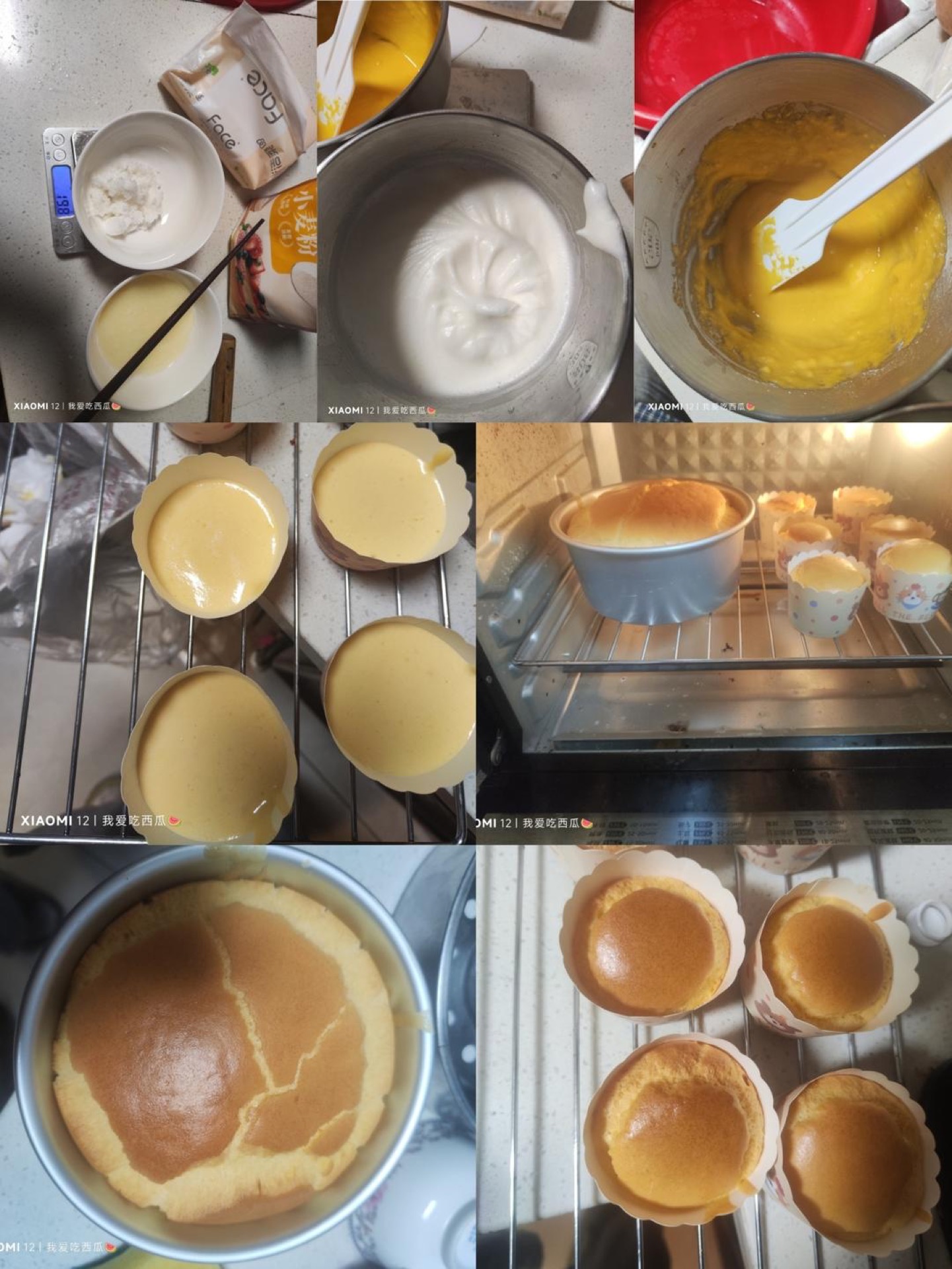
Most chiffon recipes you find online are written for one pan size and one sweetness level. This one gives you the same batter three ways — a 6-inch round, an 8-inch round, or six cupcake-sized cakes — and dials the sugar back so the cake tastes like egg and vanilla rather than syrup. The oil is reduced too, which means the crumb is a touch drier on day two, but on day one it is exactly what a chiffon should be: tender, feathery, and clean-tasting.
The technique is really the whole recipe. Chiffon cake is a foam cake — the structure comes from whipped egg whites, not from butter or chemical leaveners — so almost every failure traces back to how the meringue was whipped or how it was folded in. Get those two things right and the cake will rise reliably whether you bake it in a 6-inch pan or a muffin tin.
What Is Chiffon Cake (戚风蛋糕)?
Chiffon cake is a light sponge made by folding a stiff meringue into a batter of egg yolks, flour, oil, and liquid. It sits between a genoise (whole-egg sponge, no added fat) and a butter cake (rich, dense, creamed) — the oil keeps it moist and tender, while the meringue supplies the lift. The name comes from the fabric: the crumb is supposed to feel like chiffon, airy and draping.
In Chinese baking, 戚风蛋糕 is the everyday cake. It is the base for cream cakes, roll cakes, and birthday cakes in almost every home bakery, and it is also eaten plain with tea. Because it uses oil rather than butter, it stays soft even when cold, which is why it is the standard choice for cakes that get frosted and refrigerated.
The reason chiffon cake is so sensitive to technique comes down to protein and air. Egg white foam is a network of denatured proteins surrounding air bubbles; sugar slows the proteins from over-coagulating, which is why it is added gradually, and fat (from any yolk that sneaks in) collapses the foam by coating the proteins so they cannot bond. That is also why the batter is folded, not stirred — every stroke of a whisk deflates the bubbles you just spent five minutes building.
Both date cakes and chiffon share one trait: they rely on egg structure rather than butter, so they reward careful folding.
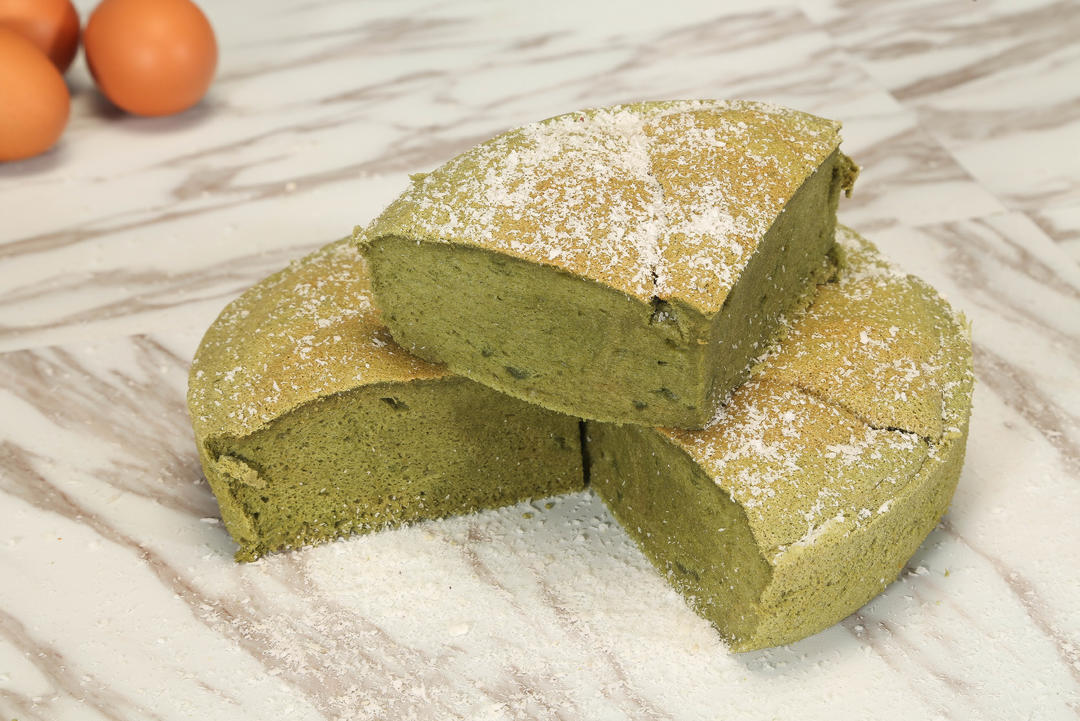
If you love this style of light, airy baking, our fluffy matcha chiffon cake takes the same base and adds green tea for a gently bitter edge that balances the sweetness.
1Fluffy Matcha Chiffon CakeA light, airy Matcha Chiffon Cake recipe with authentic Uji matcha. Step-by-step guide for a cotton-soft texture. Perfect sweetness and tea aroma.Check out this recipe
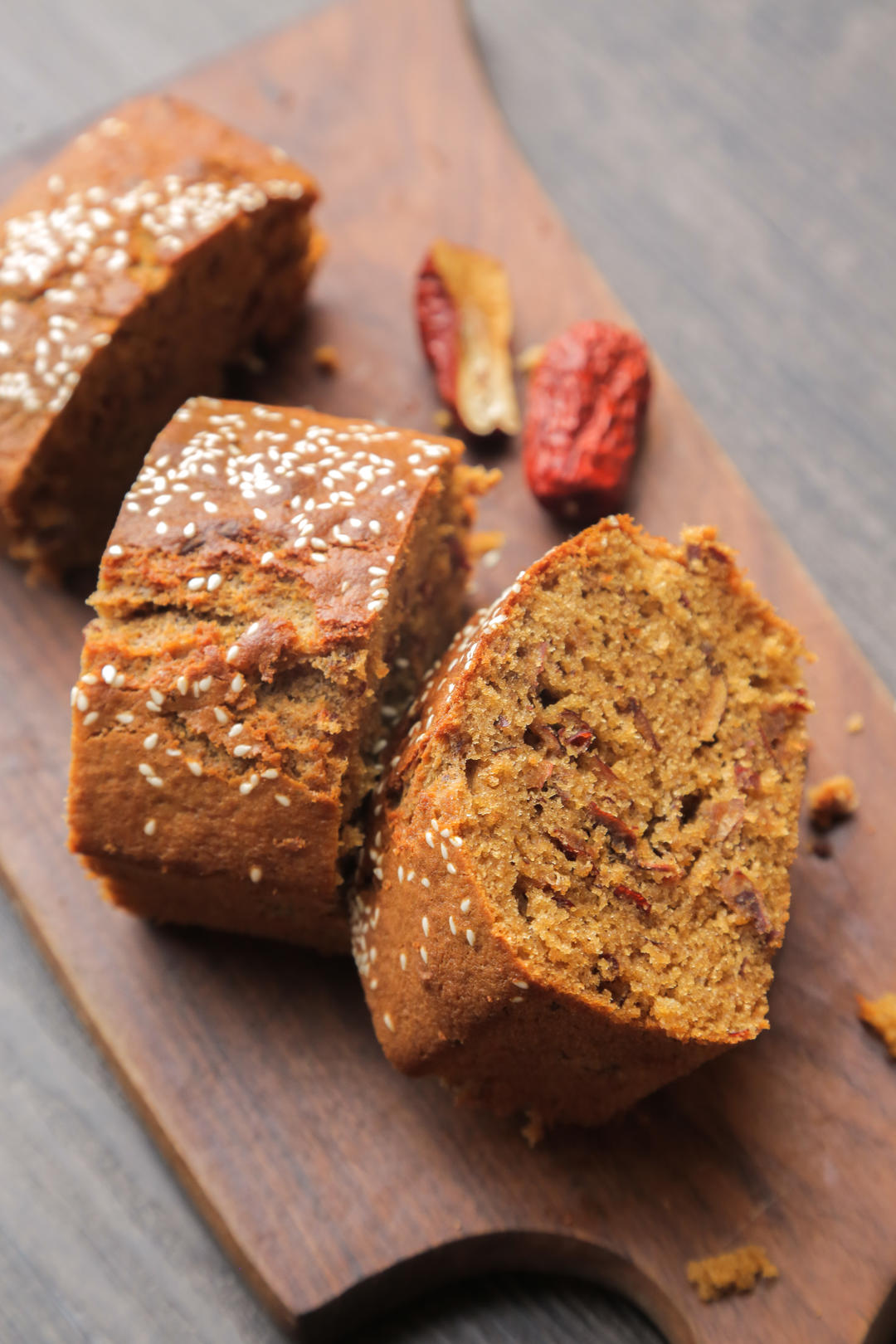
For a completely different but equally soft Chinese bakery classic, our chinese date cake uses red dates and a sturdier crumb, and it is a good next step once you have chiffon down.
2Chinese Date Cake (Zao Gao)A fluffy, naturally sweet traditional Chinese sponge cake made with red dates (jujubes) and brown sugar. Perfect for breakfast or tea time.Check out this recipe
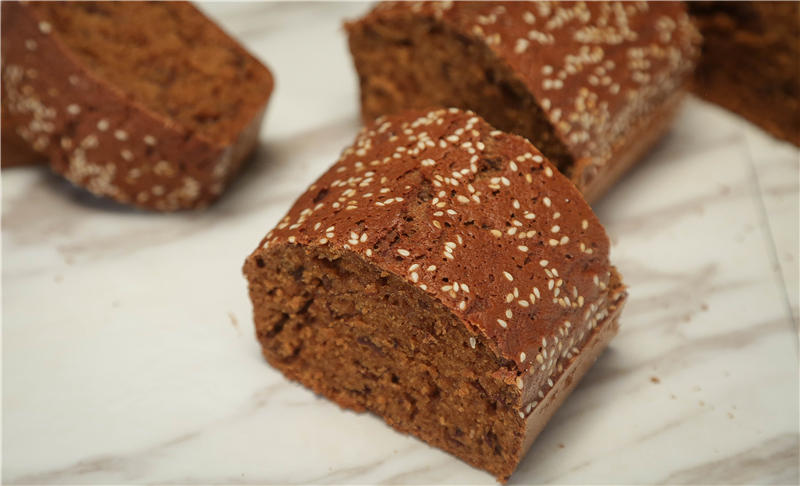
And if you want to compare two date-based cakes side by side, the chinese jujube cake is the darker, more caramel-forward cousin — same family of soft Chinese bakery cakes, different flavor profile.
3Chinese Jujube Cake (Zao Gao)A rustic, deep-brown sponge cake naturally sweetened with red dates. This Zao Gao is moist, fluffy, and full of traditional flavor.Check out this recipe
Why This Recipe Works
The formula is deliberately simple: five eggs, 75 g cake flour, 50 g milk, 30 g oil, and 60 g sugar total. That is a lower sugar ratio than most chiffon recipes (which often run 80–100 g), and it works because the eggs carry the flavor. Fewer grams of sugar also means a slightly less stable meringue, so we whip to a soft, bending hook rather than a stiff peak — a soft meringue folds more easily and does not tear the batter.
The oil is reduced to 30 g, which is enough to keep the crumb tender for a day but not so much that the cake tastes greasy or collapses under its own weight. The milk is warmed slightly with the oil first, which helps them emulsify before they hit the yolks — a small step that prevents the batter from looking curdled.
Finally, the bake temperature is low and steady: 150°C (300°F) for about 40 minutes. Chiffon needs a gentle oven so the foam sets gradually; a hot oven browns the top before the center is cooked, and the cake then sinks. The inverted cooling step is not optional — it keeps the cake from collapsing under its own weight as it cools.
Equipment Needed
You do not need much, but a few pieces matter more than you would think.
- Two clean, dry mixing bowls — one for yolks, one for whites. Any trace of fat or water in the white bowl will stop the foam from forming.
- A balloon whisk or hand mixer — a stand mixer works too, but a hand mixer gives you more control over the soft-hook stage.
- A flexible spatula — for folding, not stirring.
- A 6-inch or 8-inch chiffon tube pan, ungreased, or a six-cup muffin tin with paper liners. Chiffon pans have a central tube so the cake can climb; if you use a regular round pan, line only the bottom.
- A digital scale — grams matter here.
- A cooling rack — for inverting the pan.
- A serrated knife — for slicing without crushing the crumb.
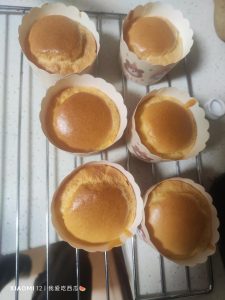
If you are baking the cupcake version, a muffin tin with paper liners is all you need, and the bake time drops to about 20–22 minutes.
Ingredients
Here is the full list for the base batter. The quantities below make one 6-inch cake, one 8-inch cake (double the batter), or six cupcakes.
- 5 large eggs, separated
- 75 g cake flour (low-protein flour), sifted
- 50 g whole milk, room temperature
- 30 g corn oil or another neutral oil
- 20 g fine sugar for the yolks
- 40 g fine sugar for the meringue, added in three portions
- 1 pinch salt (optional)
Ingredient Notes
Cake flour. Use low-protein cake flour, not all-purpose. All-purpose flour has more gluten, and gluten makes the crumb tough and chewy — the opposite of chiffon. If you only have all-purpose, replace 10 g of it with cornstarch per 75 g to lower the protein.
The eggs. Large eggs, about 50 g each without the shell. Cold eggs separate more cleanly, but room-temperature whites whip faster and to a greater volume, so separate cold and then let the whites sit for 15 minutes.
The sugar. Fine granulated sugar dissolves into the meringue faster than coarse sugar. Do not cut the meringue sugar below 40 g — it stabilizes the foam, and this recipe is already on the low side.
The oil. Any neutral oil works: corn, canola, grapeseed, or a light olive oil. Do not use butter — butter solidifies when cold and makes the cake firm in the fridge.
The milk. Whole milk gives the best flavor. Oat milk or soy milk works as a substitute, but the cake will be slightly less rich.
Prep & Mise en Place
Chiffon cake moves fast once the meringue is ready, so set everything up before you start.
- Preheat the oven to 150°C (300°F) with the rack in the lower-middle position.
- Weigh the flour, oil, milk, and both sugars into separate bowls.
- Sift the cake flour twice — this aerates it and makes folding easier.
- Separate the eggs carefully. If any yolk gets into the whites, fish it out with a clean spoon; even a drop will reduce the foam.
- Prepare your pan: leave a chiffon tube pan ungreased (the cake needs to climb the walls), or line a muffin tin with paper liners.
- Set out a spatula, a cooling rack, and a thin knife for releasing the cake.
If you are also making a savory dish for later, this is a good moment to get your stir fried pork with peppers ingredients prepped — the cake bakes unattended for 40 minutes, which is enough time to cook a quick dinner.
Cooking Process
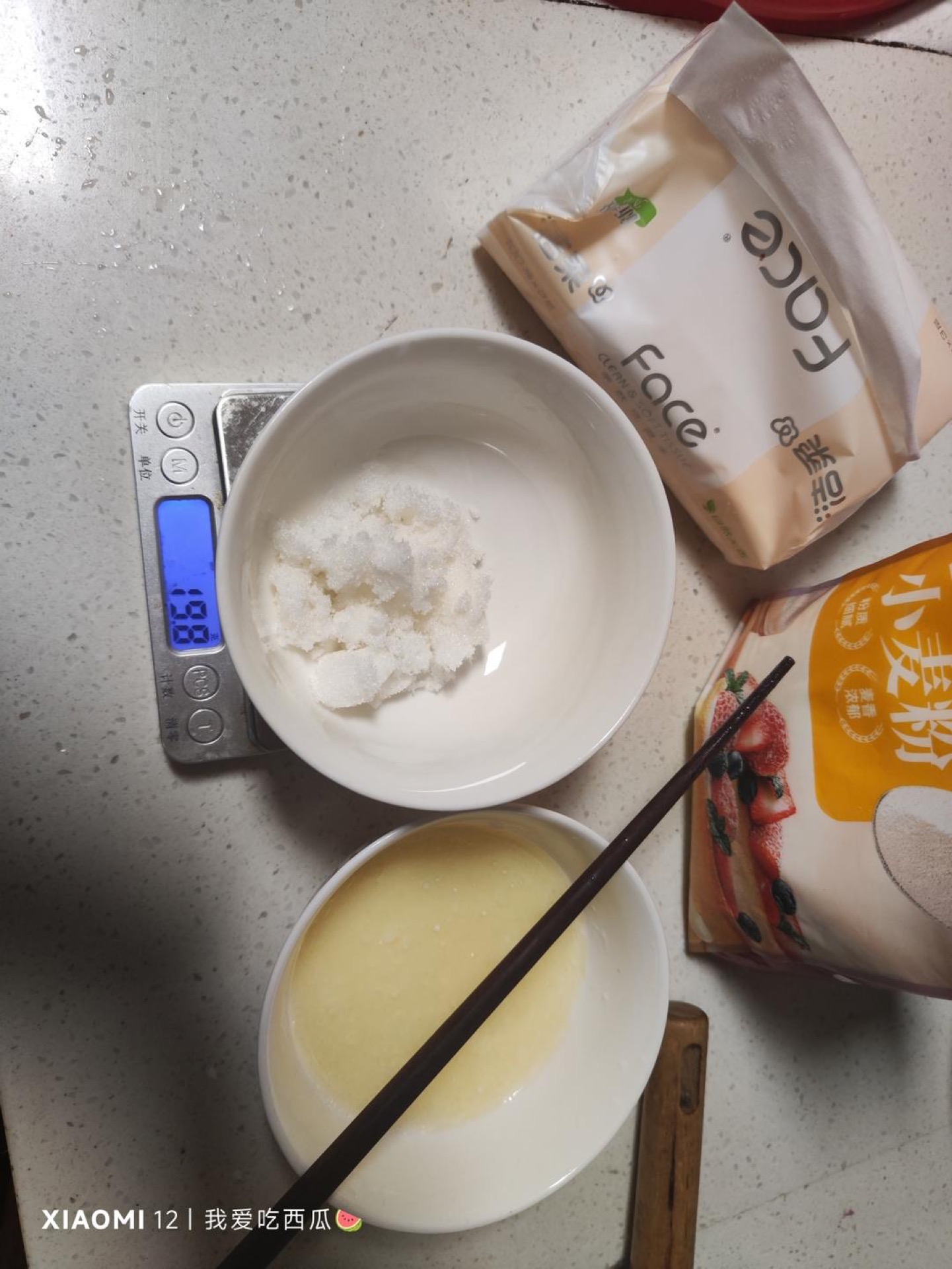
Step 1 — Weigh Everything Out
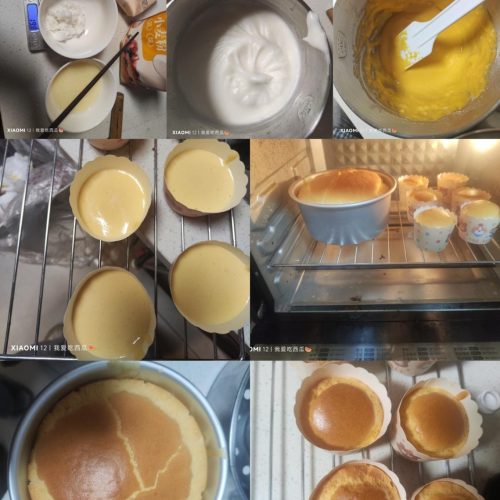
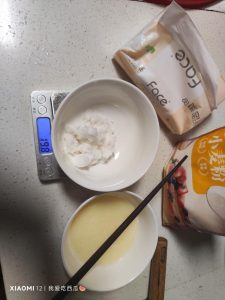
Measure the cake flour, corn oil, milk, and both portions of sugar into separate bowls, and separate the five eggs so the yolks and whites sit in clean, dry bowls.
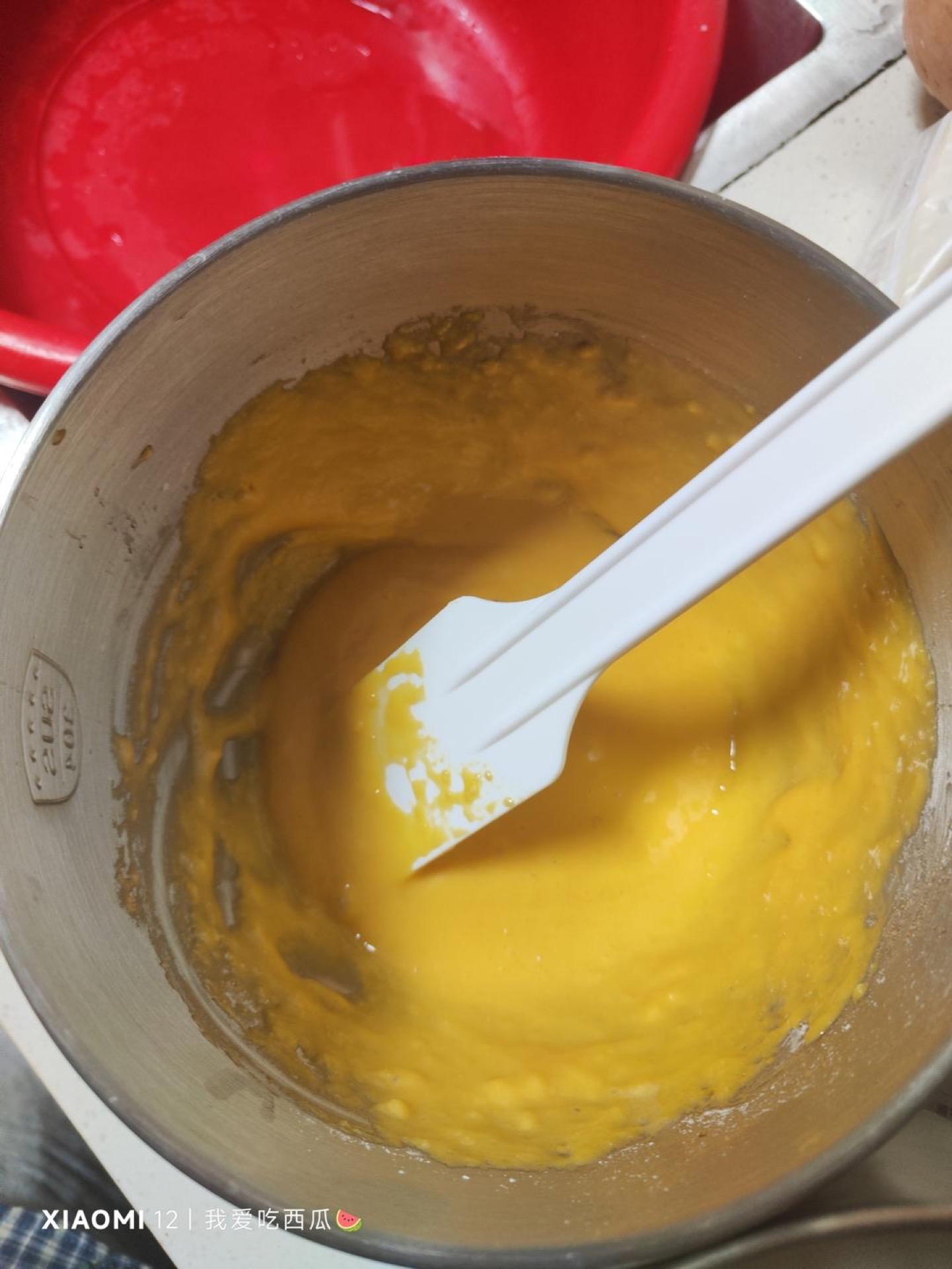
Step 2 — Mix the Yolk Batter
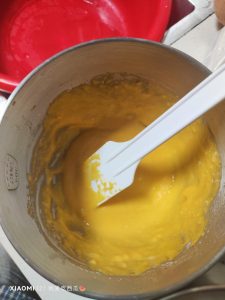
Whisk the milk and corn oil together until emulsified, pour them into the egg yolks with the 20 g of sugar, stir smooth, then add the sifted cake flour and fold in a Z-shaped motion until just combined with no dry flour left.
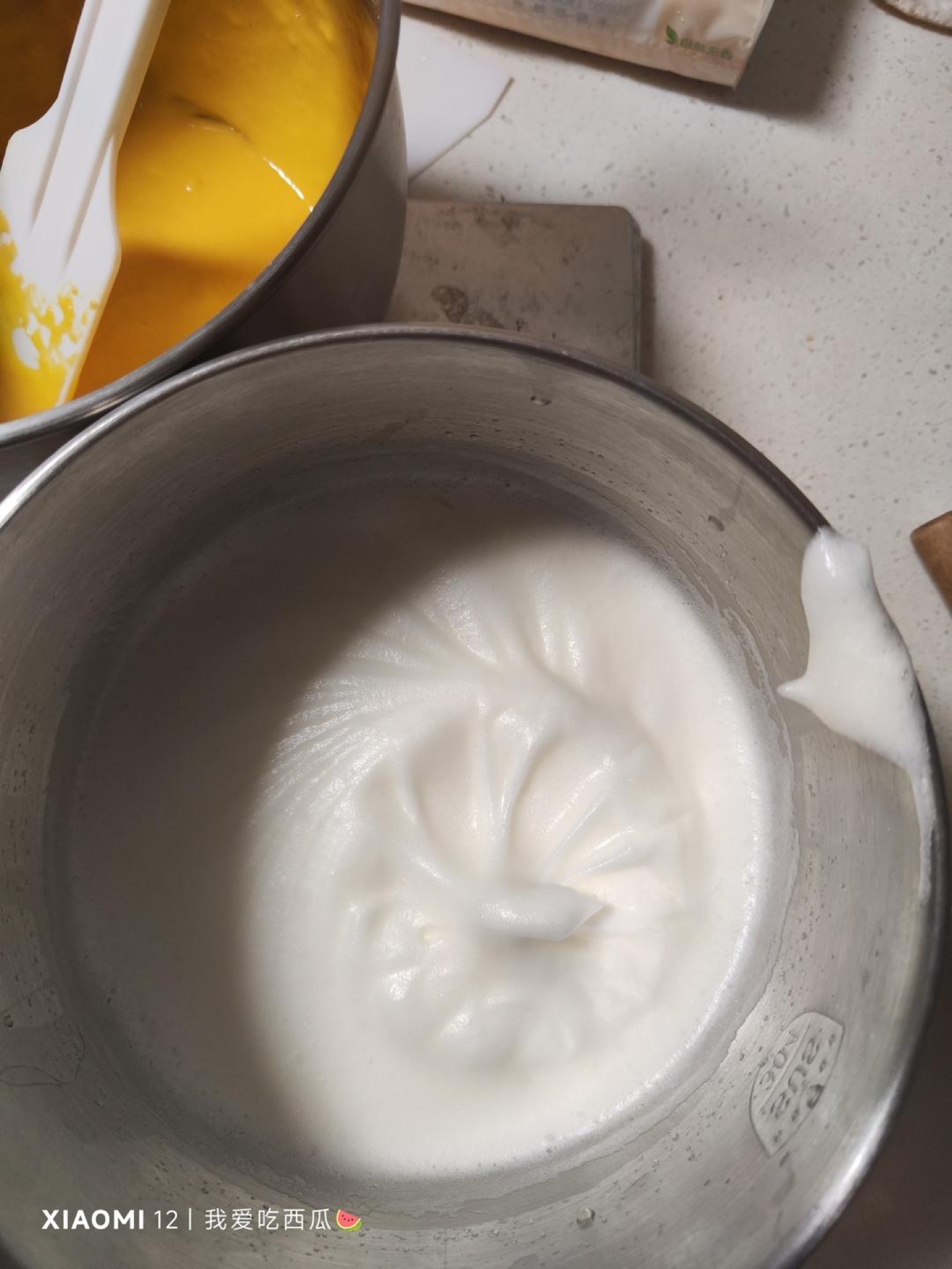
Step 3 — Whip and Fold the Meringue
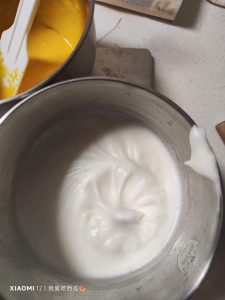
Whip the egg whites, adding the 40 g of sugar in three additions, until the peak bends into a soft hook, then fold the meringue into the yolk batter in three additions until no white streaks remain.
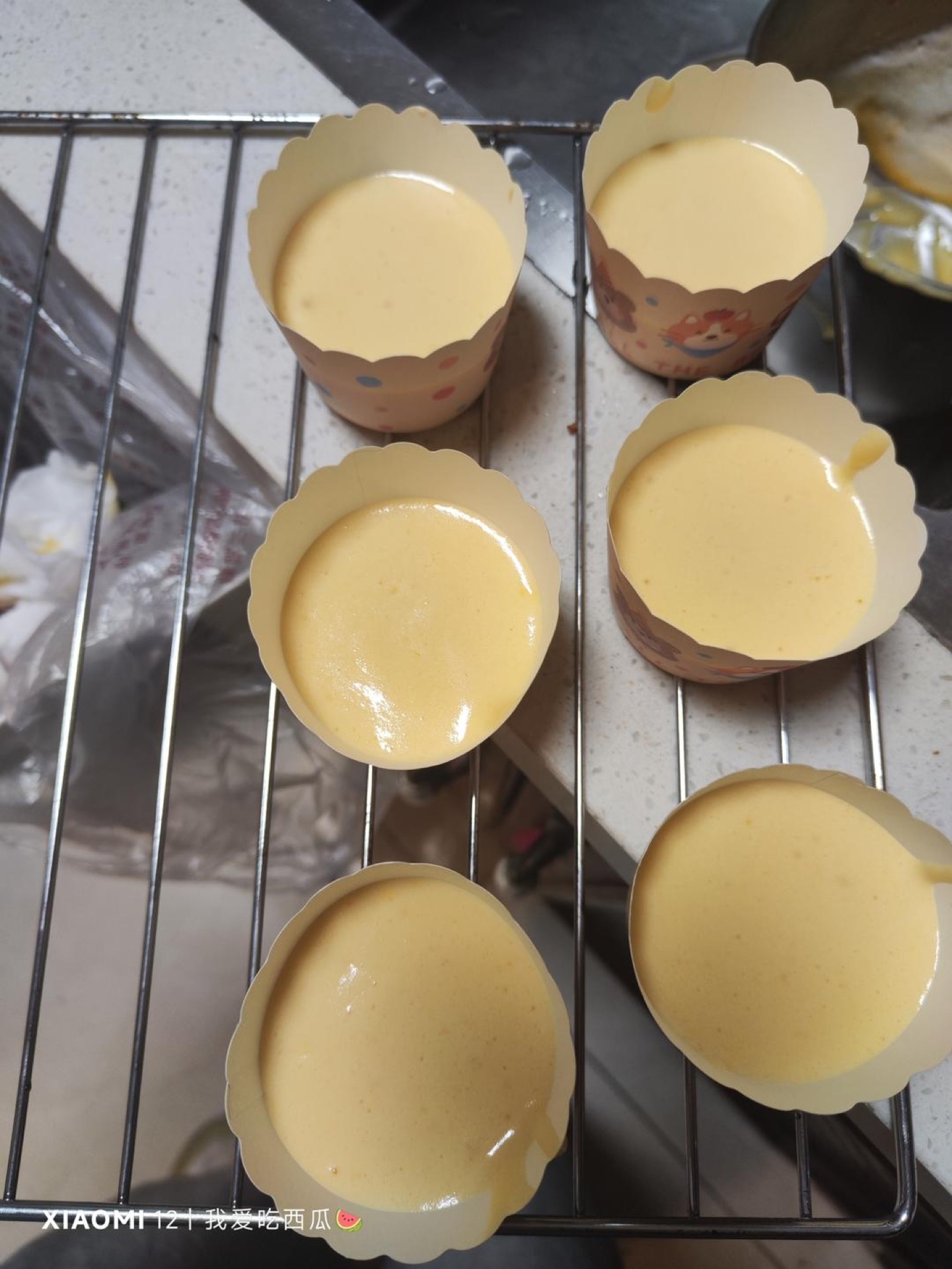
Step 4 — Fill the Pan
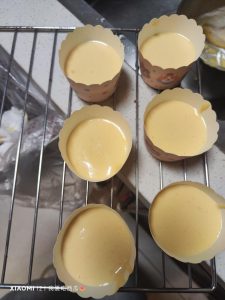
Pour the batter into the prepared pan or cupcake liners, smooth the top, and tap the pan lightly on the counter two or three times to knock out large air bubbles.
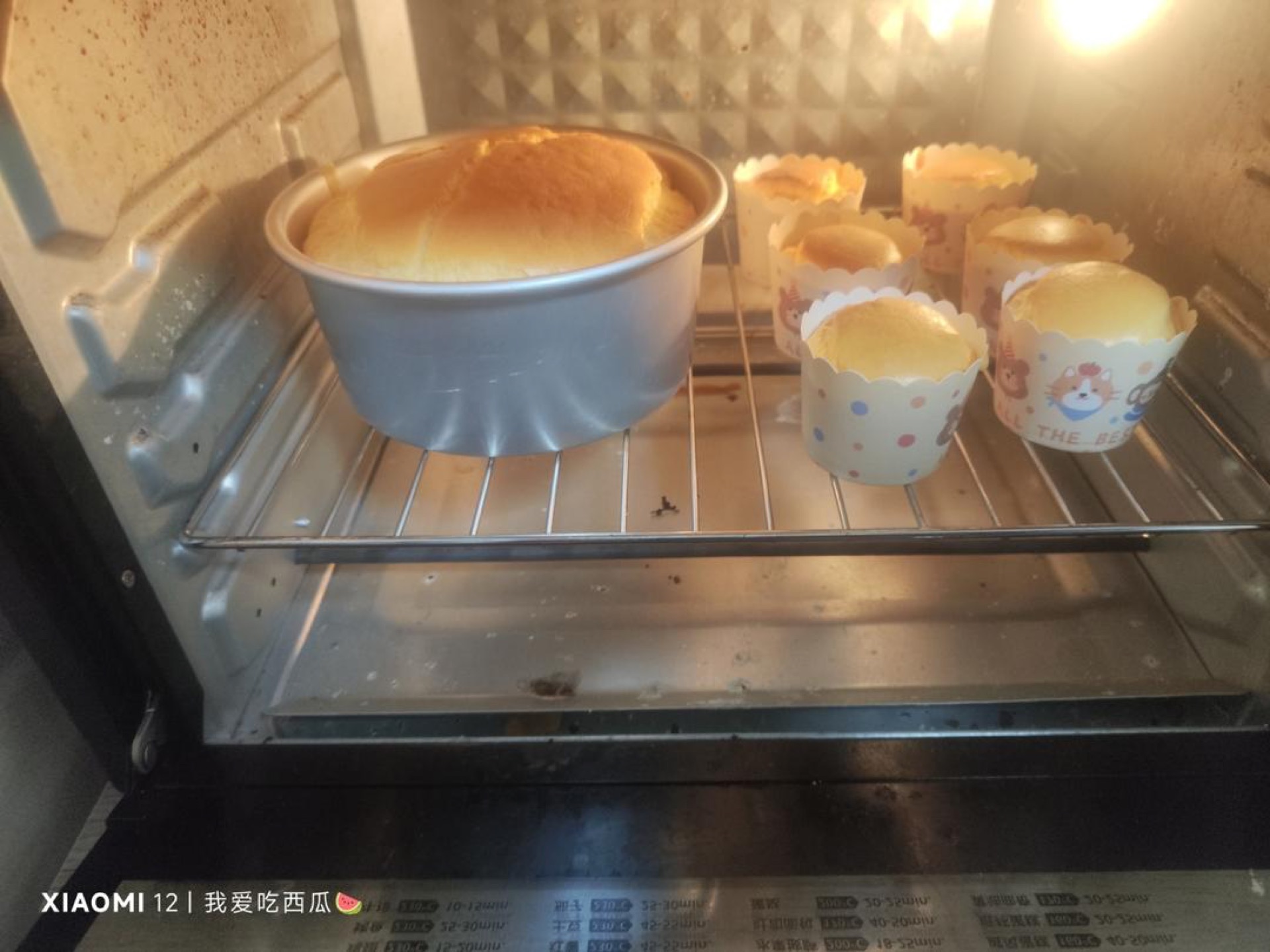
Step 5 — Bake
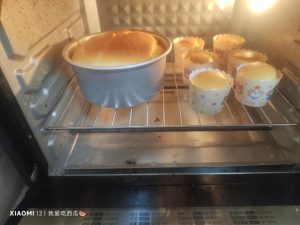
Bake with both top and bottom heat at 150°C (300°F) for about 40 minutes, until the top is golden and the cake springs back when pressed.
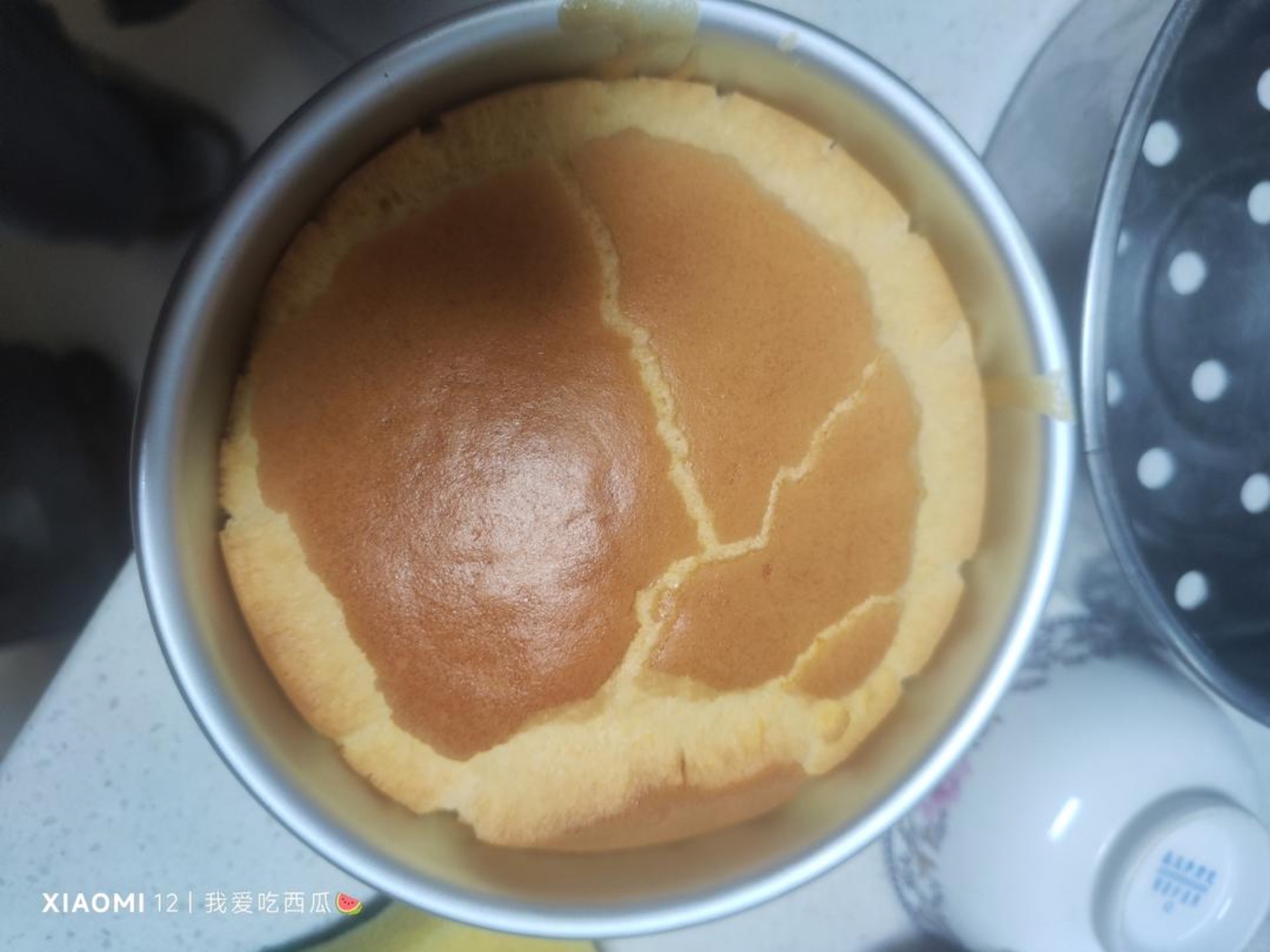
Step 6 — Cool Inverted
Take the cake out of the oven, tap the pan once on the counter, and invert it over a cooling rack to cool completely before releasing the sides.
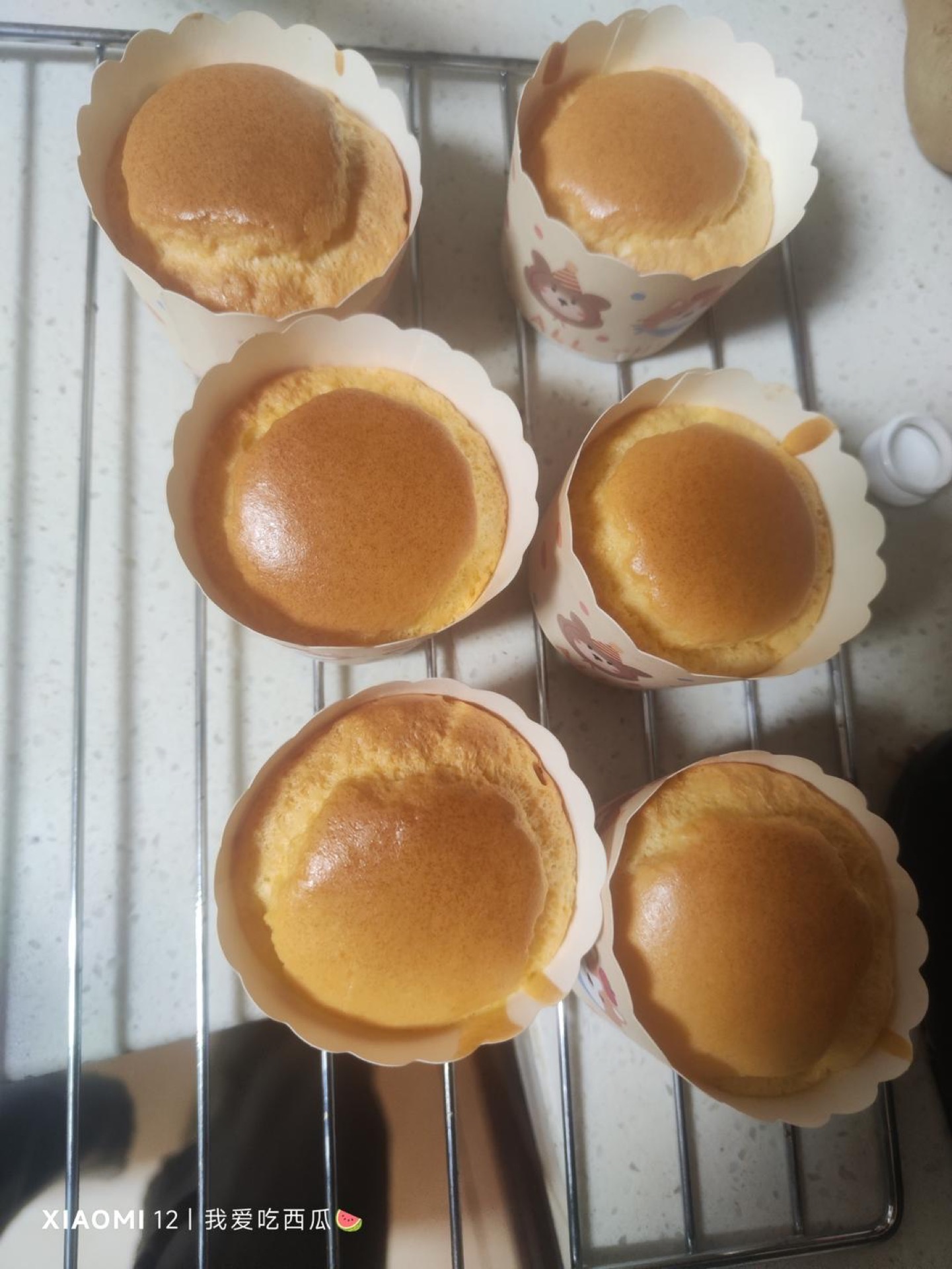
Step 7 — Release and Slice
Run a thin knife or offset spatula around the edge, push the base up out of the pan, and slice with a serrated knife using a gentle sawing motion.
Common Mistakes When Making Chiffon Cake
1. Greasing the pan. Cause: habit from baking butter cakes. A greased pan lets the batter slide up the walls instead of gripping them, so the cake cannot climb. Fix: leave a tube pan completely ungreased; only line the bottom of a regular pan with parchment.
2. Any fat in the egg whites. Cause: a speck of yolk, a dirty bowl, or oily hands. Fat coats the proteins and prevents the foam from forming. Fix: use two clean, dry bowls and separate the eggs one at a time into a small cup before adding to the main bowl.
3. Over-whipping the meringue. Cause: walking away from the mixer. Stiff, dry peaks break into lumps and will not fold evenly, leaving streaks of foam that collapse in the oven. Fix: stop at a soft, bending hook — the tip should droop over like a bird’s beak.
4. Stirring instead of folding. Cause: treating the batter like a cake batter. Stirring deflates the foam. Fix: cut down the center with a spatula, sweep around the bowl, and lift and turn; fold in three additions and stop as soon as the streaks disappear.
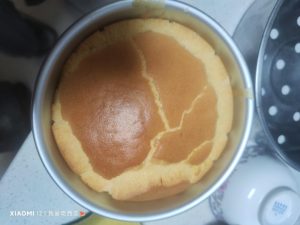
5. Opening the oven too early. Cause: impatience at the 25-minute mark. A sudden draft of cool air makes a half-set cake sink. Fix: keep the door closed for at least 30 minutes, and check through the glass.
6. Skipping the invert. Cause: not realizing the cake is still fragile when hot. A chiffon cake will collapse under its own weight if cooled upright. Fix: invert the pan over a rack immediately and let it cool completely, about 1 hour.
Variations
Matcha chiffon. Replace 5 g of the cake flour with 5 g of matcha powder and sift it with the flour. The green tea adds a pleasant bitterness that balances the reduced sugar nicely — our matcha version follows the same method.
Cocoa chiffon. Swap 10 g of flour for 10 g of cocoa powder and add 10 g more milk, since cocoa absorbs liquid.
Cupcake chiffon. Divide the batter among six paper liners and bake at 150°C (300°F) for 20–22 minutes. They cool in the tin and do not need inverting.
Citrus chiffon. Replace the milk with fresh orange juice and add the zest of one orange to the yolk batter.
Osmanthus chiffon. Add 1 tbsp of osmanthus fermented rice syrup to the yolk batter for a floral, honeyed note — a very Chinese bakery flavor.
Frequently Asked Questions
Why did my chiffon cake sink in the middle? Almost always one of three things: the meringue was under- or over-whipped, the batter was stirred rather than folded, or the oven door was opened too early. A cake that sinks evenly across the top usually means the foam was too weak; a cake with a crater in the center usually means it was underbaked.
Can I make chiffon cake without a tube pan? Yes. Use a regular round pan lined only on the bottom, or a muffin tin with paper liners. The cake will be slightly shorter because it has less wall to climb, but the texture is the same.
Why is my chiffon cake gummy at the bottom? Underbaking is the usual cause. The center needs to reach 160°F (71°C); at 150°C (300°F) that takes about 40 minutes for a 6-inch cake. If your oven runs cool, add 5 minutes and check with a skewer.
How do I know when the meringue is ready? Lift the whisk: the peak should bend over into a soft hook, and the foam should look glossy, not dry or clumpy. If it holds a sharp, upright point, it is already a little over-whipped for this recipe.
Can I reduce the sugar further? You can drop the yolk sugar to 15 g, but do not cut the meringue sugar below 40 g — the foam needs it to hold. Below that, the cake tends to collapse.
How to Serve
Chiffon cake is best served plain, at room temperature, in thick slices with a pot of tea. It also makes a wonderful base for a cream cake: split it into layers, brush with syrup, and fill with lightly whipped cream and fruit.
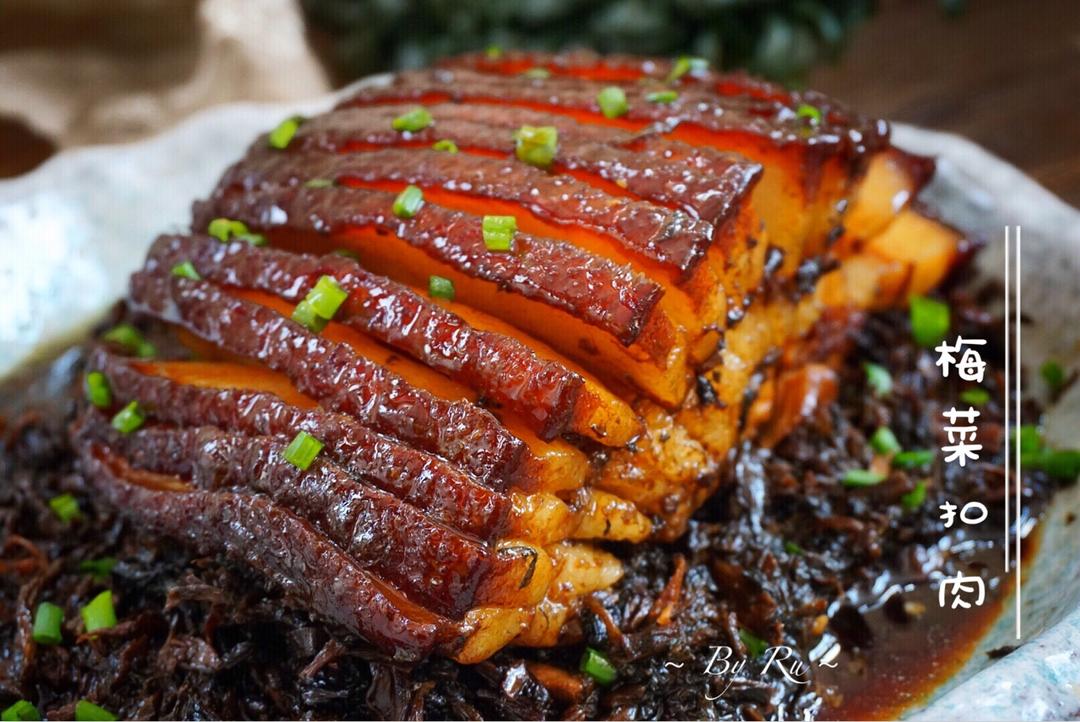
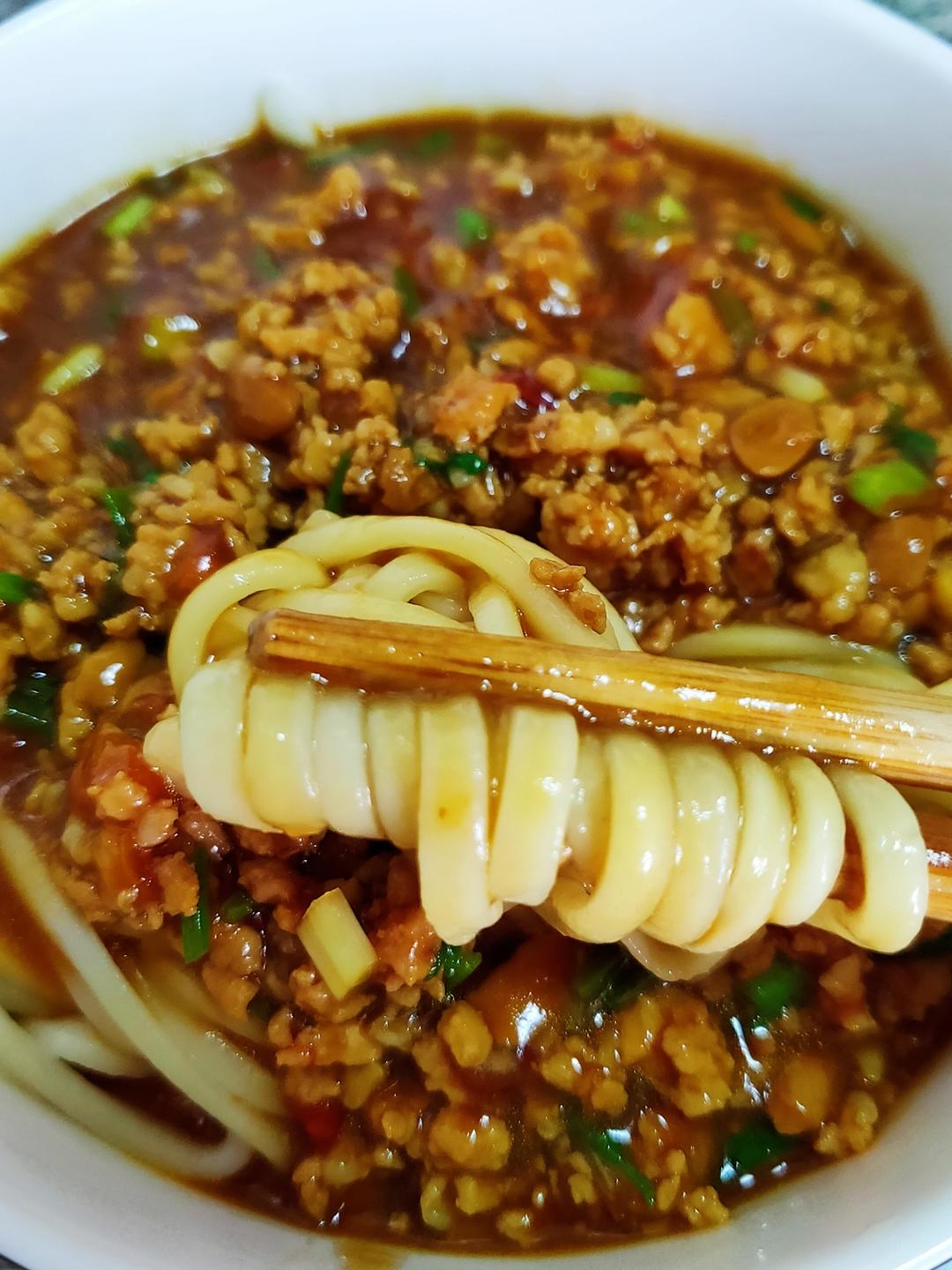
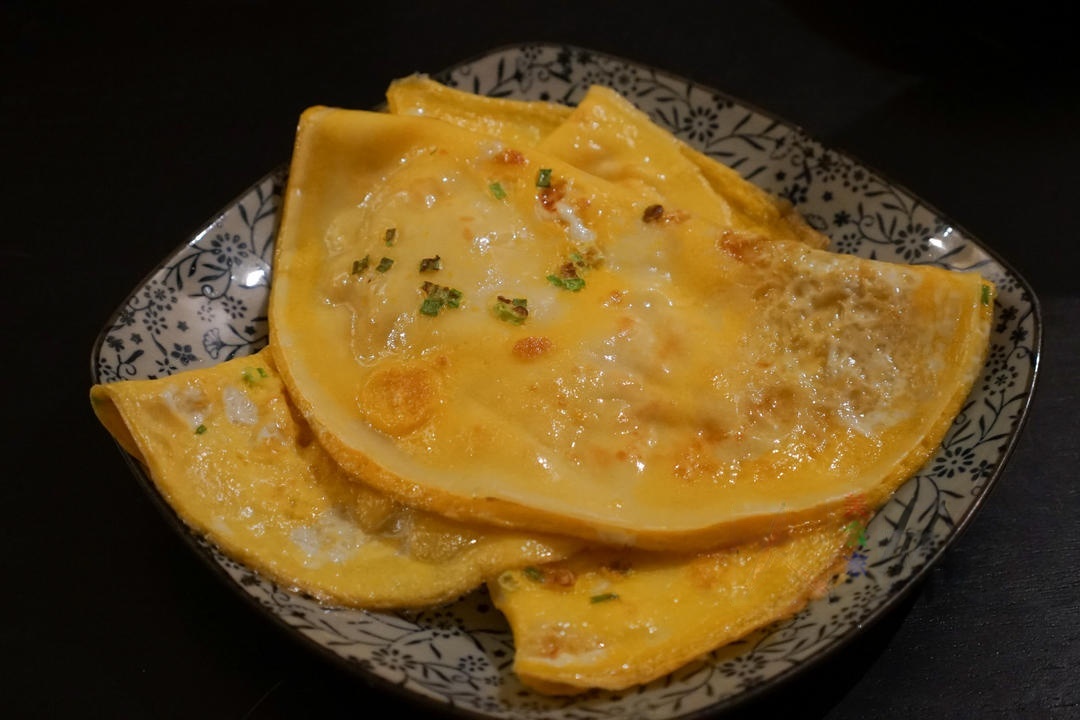
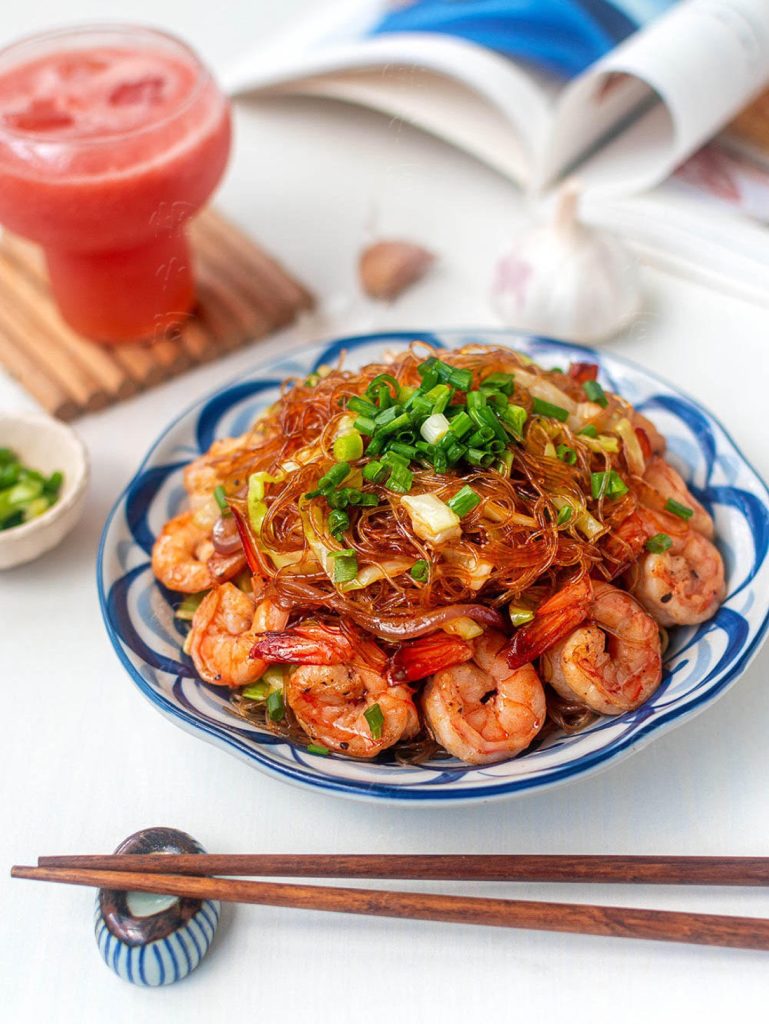
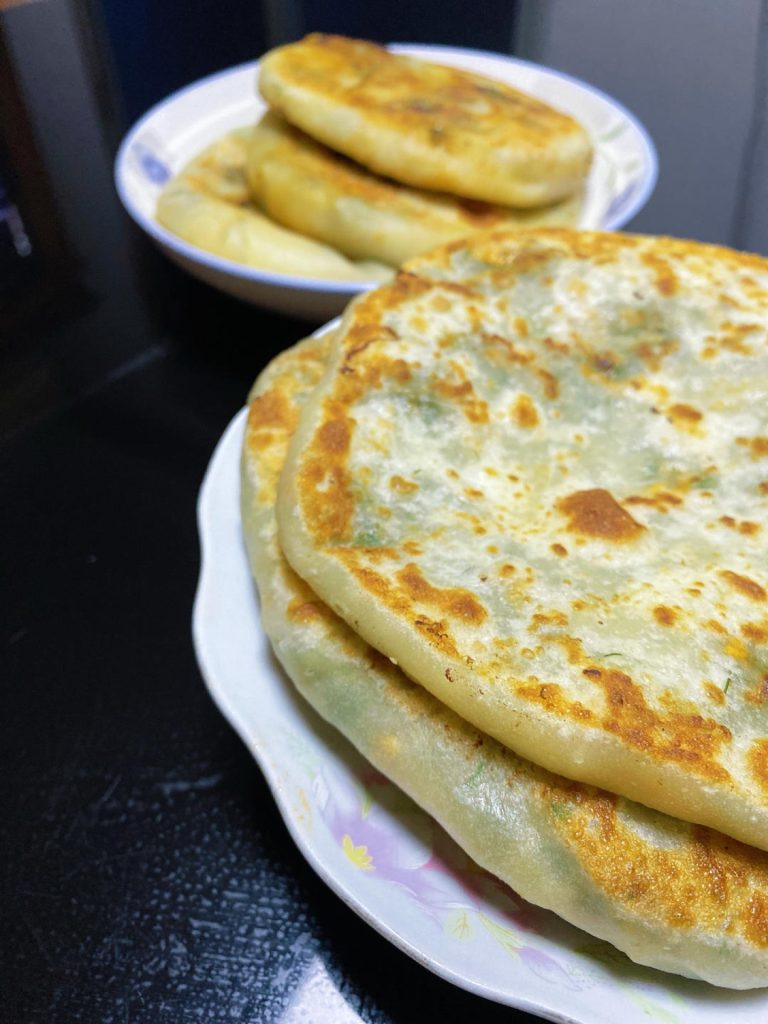
For a savory table, chiffon cake is a natural finish to a Chinese meal — serve it after something like mei cai kou rou or a bowl of zha jiang mian, where the light, clean crumb resets the palate. If you are planning a weekend brunch, a slice alongside an egg filled pancake makes a very good sweet-savory pair.
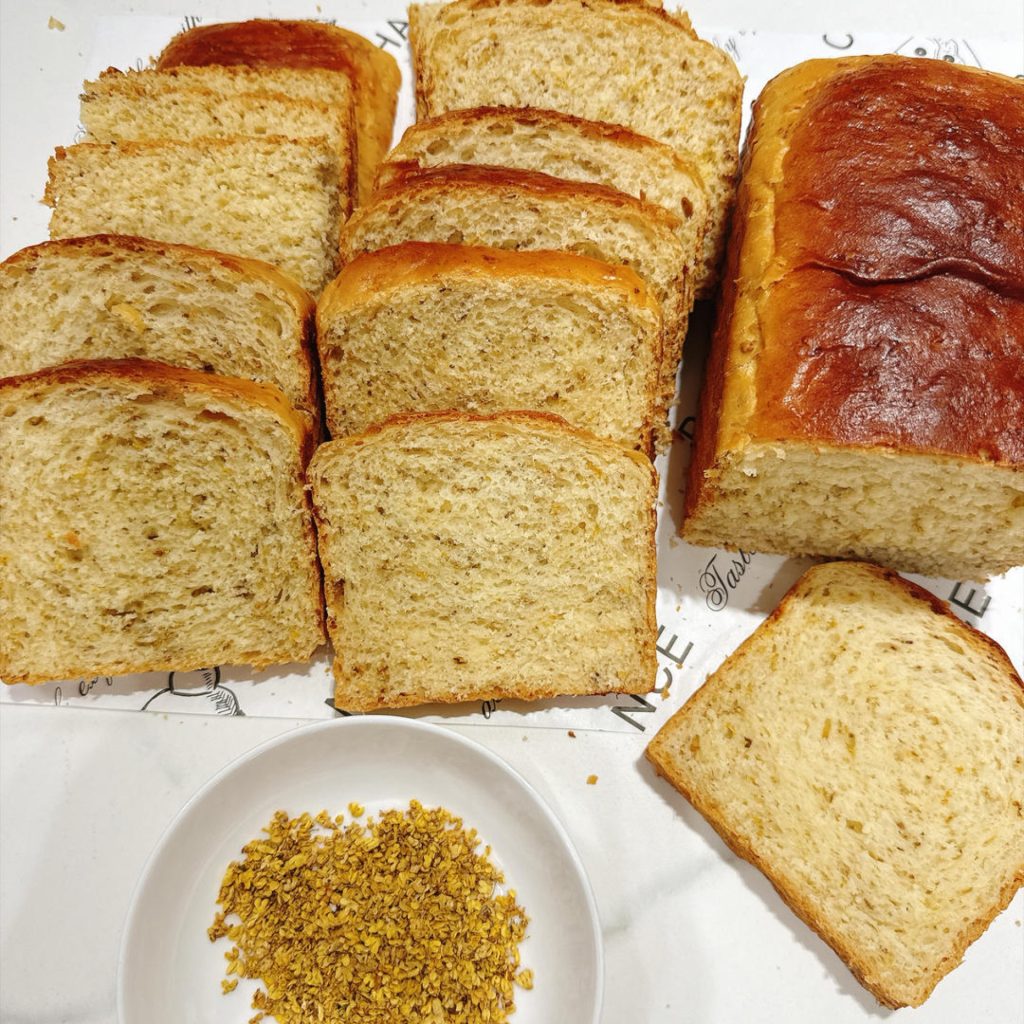
For a bakery-style spread, serve it next to cloud soft milk bread rolls sponge dough — one soft and airy, the other soft and rich.
Storage & Reheat
Cool the cake completely before storing. Wrap it tightly in plastic wrap or place it in an airtight container and keep it at room temperature for up to 2 days. For longer storage, refrigerate for up to 5 days — the crumb will firm up slightly in the cold, so let slices sit at room temperature for 15 minutes before serving.
To freeze, wrap individual slices in plastic wrap, then in foil, and freeze for up to 2 months. Thaw at room temperature for about an hour. Do not microwave chiffon cake — it turns rubbery. If you must warm it, a 150°C (300°F) oven for 3–4 minutes restores the softness.
Allergen Notice
This recipe contains eggs, wheat (gluten), and milk. If you use a soy-based milk or oil, it may also contain soy. Always check the labels of any packaged ingredient you add, especially matcha or cocoa powders, which are sometimes processed in facilities that handle nuts.
Nutrition Disclaimer
Nutrition information is calculated using an ingredient database and should be considered an estimate. In cases where multiple ingredient alternatives are given, the first listed is calculated for nutrition. Garnishes and optional ingredients are not included.
About the Author & Recipe Development
Lin is the cook and writer behind Woks of Love, where she shares Chinese home cooking and baking recipes tested in a small home kitchen. This chiffon cake went through several rounds of testing to find the lowest sugar and oil levels that still produced a tall, springy cake — the version here is the one that held its height reliably across a 6-inch pan, an 8-inch pan, and a muffin tin.
The method follows the classic Chinese bakery approach: separate the eggs, emulsify the oil and milk, fold in a soft meringue, bake low and slow, and invert to cool. The reduced-sugar formula was checked against the USDA safe minimum internal temperature for egg dishes to make sure the cake is fully cooked at the center.
Authoritative References
For safe egg handling and doneness temperatures, see the USDA safe minimum internal temperature chart. For egg-based baked goods and storage guidance, the FDA guidance on handling eggs safely is a useful reference. For the science of egg white foams and how sugar and fat affect them, see this Exploratorium explainer on egg foams.
Chiffon Cake (戚风蛋糕): Fluffy, Light, Cotton-Soft Crumb

Equipment
- Wok
- Cutting Board
- Slotted Spoon
Ingredients
For the Egg Yolk Batter
- 5 large eggs separated, yolks and whites in separate bowls
- 30 g corn oil or any neutral oil
- 50 g whole milk room temperature
- 75 g cake flour low-protein flour, sifted
- 20 g fine sugar for the yolks
For the Meringue
- 40 g fine sugar divided into three portions
- 1 pinch salt optional, stabilizes the whites
Instructions
- Measure the cake flour, corn oil, milk, and both portions of sugar into separate bowls, and separate the five eggs so the yolks and whites sit in clean, dry bowls.

- Whisk the milk and corn oil together until emulsified, pour them into the egg yolks with the 20 g of sugar, stir smooth, then add the sifted cake flour and fold in a Z-shaped motion until just combined with no dry flour left.
- Whip the egg whites, adding the 40 g of sugar in three additions, until the peak bends into a soft hook, then fold the meringue into the yolk batter in three additions until no white streaks remain.
- Pour the batter into the prepared pan or cupcake liners, smooth the top, and tap the pan lightly on the counter two or three times to knock out large air bubbles.
- Bake with both top and bottom heat at 150°C (300°F) for about 40 minutes, until the top is golden and the cake springs back when pressed.

- Take the cake out of the oven, tap the pan once on the counter, and invert it over a cooling rack to cool completely before releasing the sides.
- Run a thin knife or offset spatula around the edge, push the base up out of the pan, and slice with a serrated knife using a gentle sawing motion.






Leave a Reply