There is a fascinating magic that happens when pungent onions meet beef. While my culinary roots are deep in Sichuan cuisine—where we might rely on baking soda or velveting to tenderize meat for stir-fries like Spicy Stir-fried Tender Beef—I learned to appreciate this distinct Japanese technique during my travels in Tokyo.

This isn’t your average steak dinner. It is a “Yoshoku” (Western-influenced Japanese) classic that transforms even affordable cuts of beef into melt-in-your-mouth luxury. The sweetness of the caramelized onions, combined with the tart bite of umeboshi (salted plums) in the rice, creates a flavor profile that is savory, sweet, and surprisingly refreshing. If you want a restaurant-quality steak bowl that utilizes science to guarantee tenderness, this is the recipe to try.
What Is Chaliapin Steak?
Chaliapin Steak (Shaliapin Steak) was created in 1936 by the Imperial Hotel in Japan for the famous Russian opera singer Feodor Chaliapin. Suffering from a toothache, he requested a steak that was soft enough to eat. The chef devised a method of covering the steak in chopped onions, allowing the enzymes to break down the meat fibers.
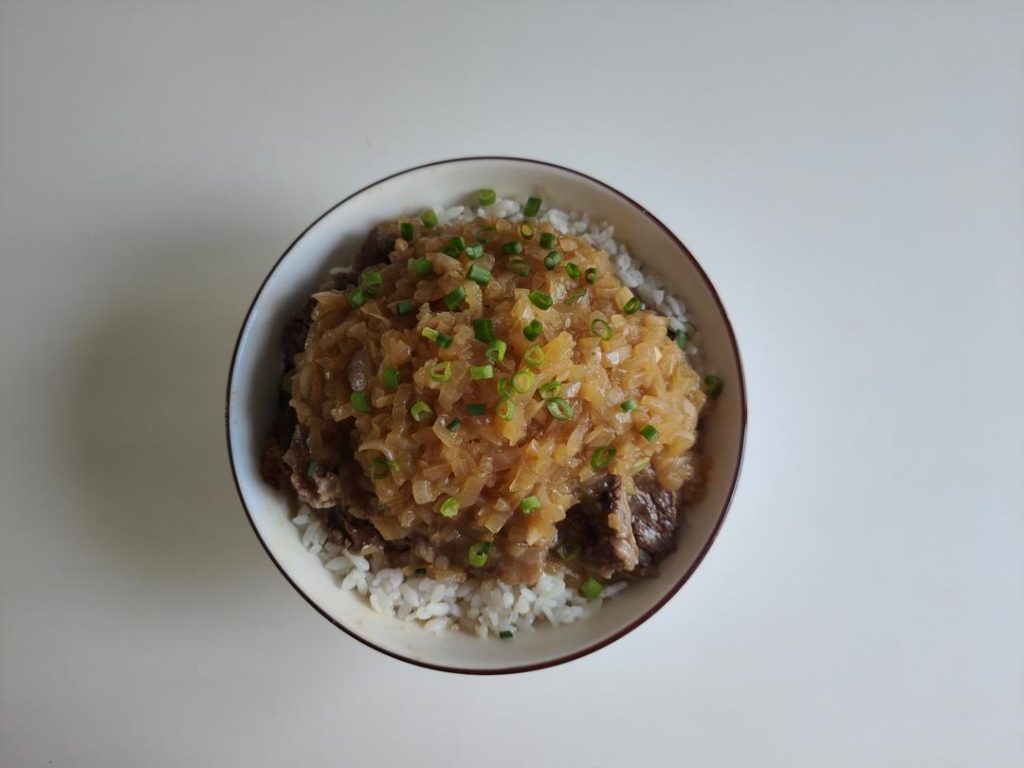
Today, we are turning this historic dish into a Don (Rice Bowl). Unlike a standard American steak dinner served with potatoes, this version slices the meat and piles it onto rice mixed with pickled plums, topped with a rich sauce made from the marinade onions.
Why This Recipe Works
- Enzymatic Tenderization: Onions contain protease enzymes. By burying the steak in minced onions, these enzymes break down the tough protein structures in the meat, making it incredibly tender without chemical additives.
- Zero Waste Flavor: The onions used for marinating aren’t discarded. They are sautéed and turned into a rich, savory gravy (glacé) that carries the beefy essence back onto the plate.
- Flavor Balance: The richness of the butter-seared beef is perfectly cut by the acidity of the umeboshi mixed into the rice, preventing the dish from feeling too heavy.
Key Ingredients & Substitutions
- Beef Steaks: You can use Ribeye, Sirloin, or New York Strip. Because the onion method is so effective at tenderizing, you can even use cheaper cuts like Top Round or Flank, though they will have less intramuscular fat.
- White Onions: You need standard white or yellow onions. Do not use sweet onions (like Vidalia) or red onions, as their enzyme content and flavor profiles are different upon caramelization.
- Umeboshi (Japanese Salted Plums): These provide a critical sour-salty contrast. You can find them in Asian markets or online.
- Substitution: If you absolutely cannot find them, you can mix a teaspoon of red wine vinegar and a pinch of salt into the rice, though the flavor won’t be quite the same.
- Japanese Soy Sauce: Use Kikkoman or a similar brand. Do not use dark soy sauce, which is too thick and sweet.
- Red Wine: A dry red wine (Cabernet or Merlot) works best to deglaze the pan and add depth.
Ingredients
The Steak & Marinade
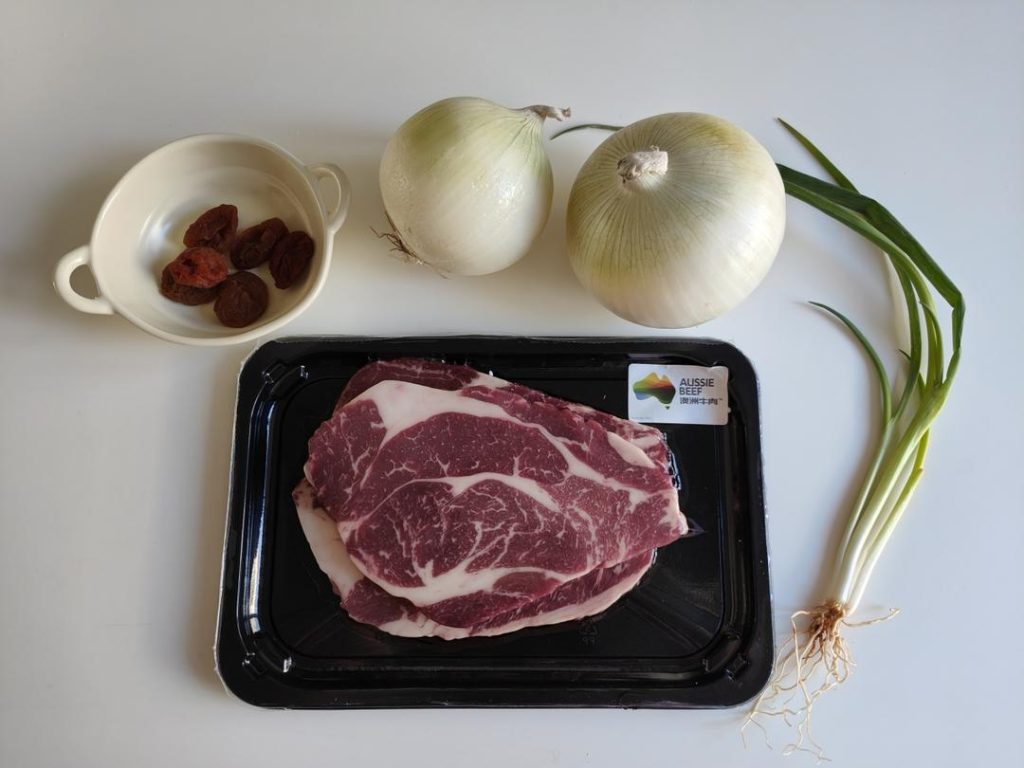
- 2 steaks (approx. 12 oz / 350g total), ribeye or sirloin recommended
- 2 large white onions (approx. 1.3 lb / 600g)
- 1 tbsp (10g) unsalted butter
- 2 tbsp (30ml) olive oil
- Salt and black pepper to taste
The Rice
- 1 bowl steamed white rice (short-grain sushi rice is best)
- 5-6 Umeboshi (Japanese salted plums), pitted and minced
The Sauce
- 2 tbsp Japanese soy sauce
- 2 tbsp dry red wine
- Salt to taste
- Starch Water: 1 tsp cornstarch mixed with 1 tbsp water
- Scallions (green onions), chopped for garnish
Recipe Notes Before You Start
- Plan Ahead: This recipe requires at least 1 hour of marinating time. Do not skip this, or the tenderizing effect won’t happen.
- Knife Skills: You will need to chop the onions very finely to maximize contact with the meat.
- Equipment: A heavy-bottomed skillet (cast iron or stainless steel) is ideal for getting a good sear on the steak.
Mise en Place / Prep
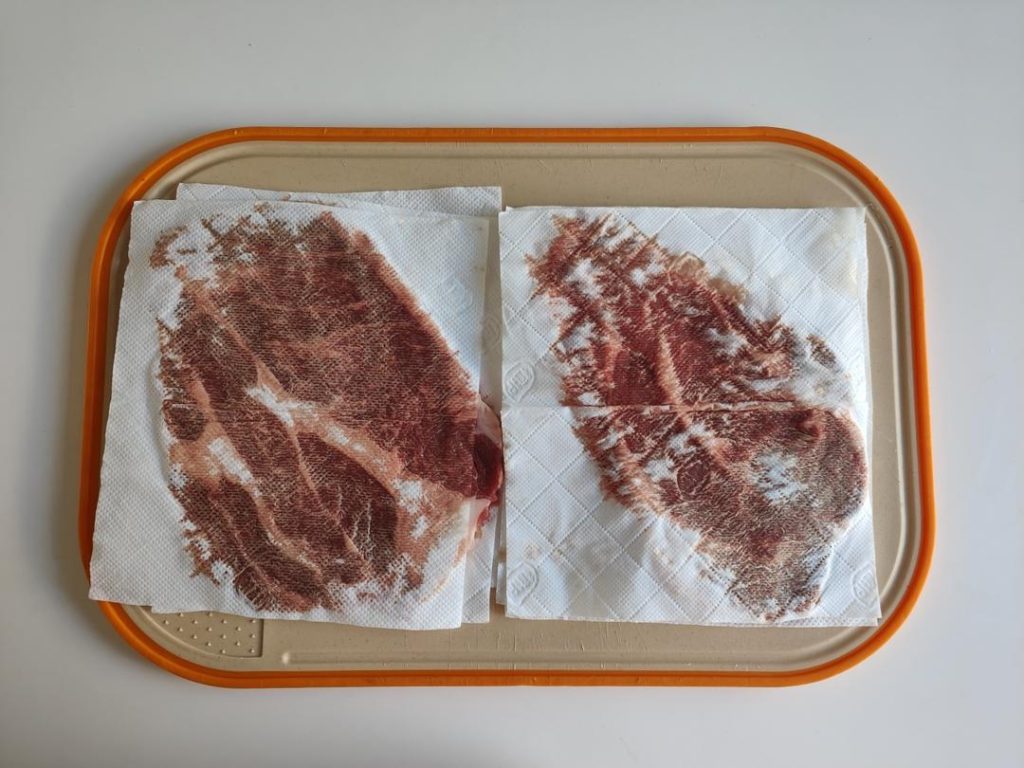
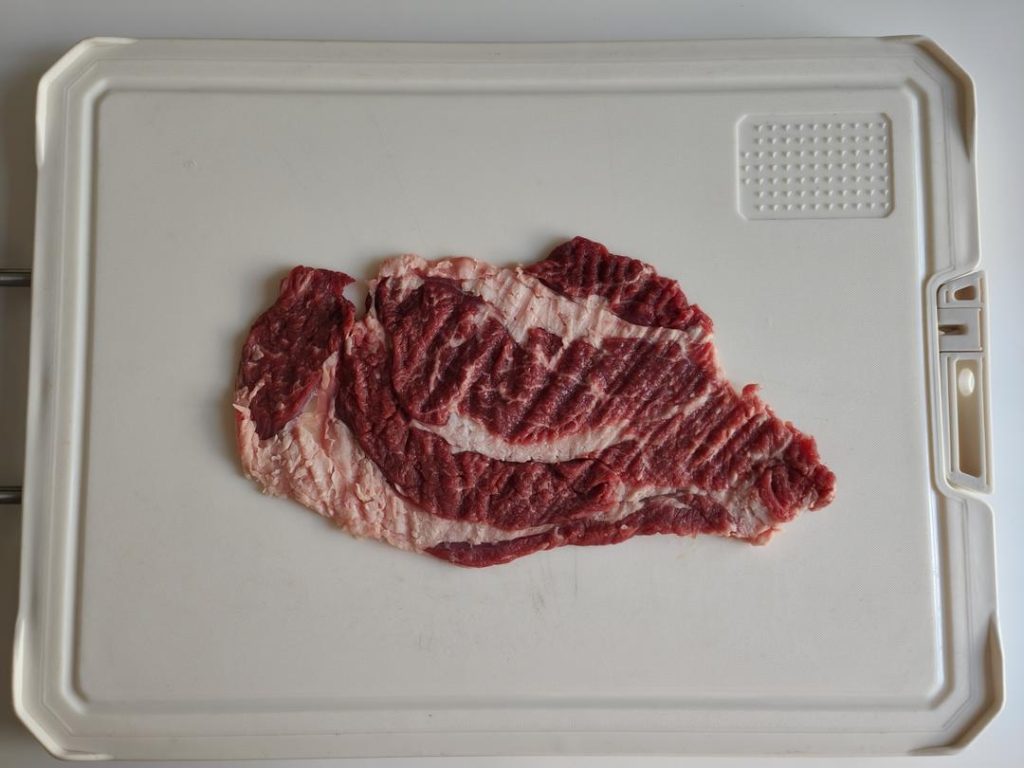
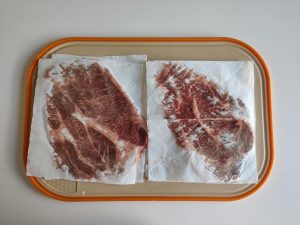
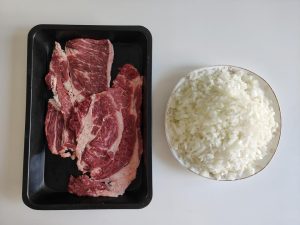
- Prep the Beef: Pat the steaks dry with paper towels to remove blood and moisture. This ensures a better sear later.
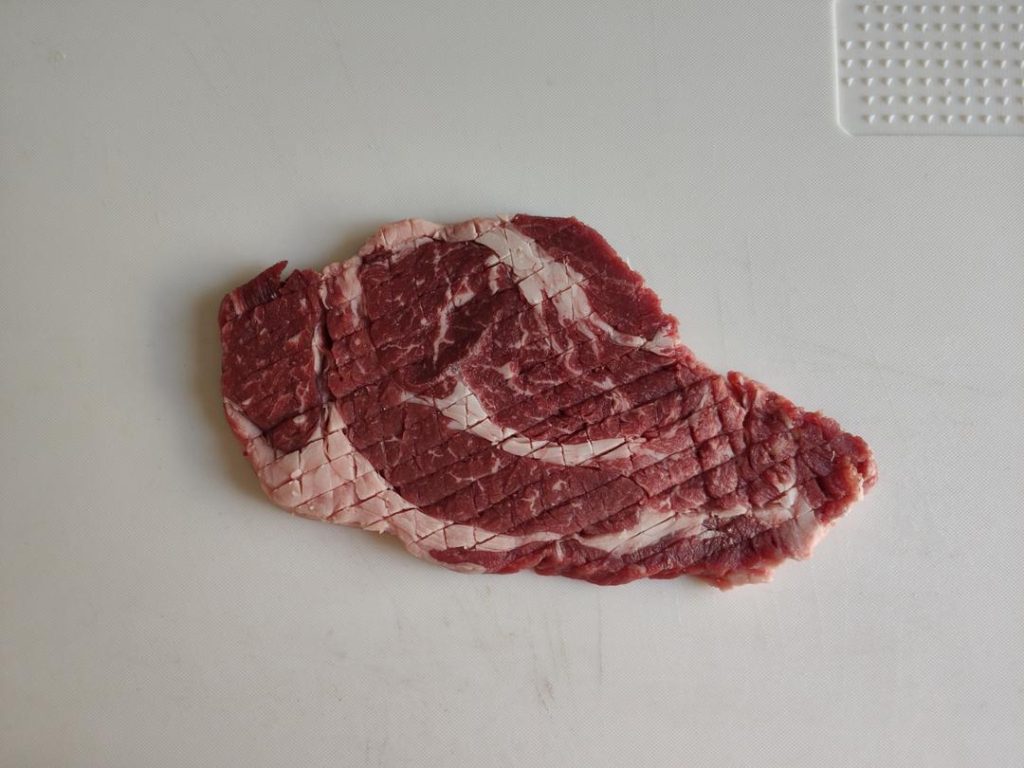
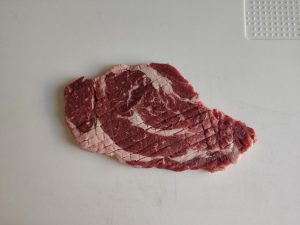
- Score the Meat: Using a sharp knife, make shallow diagonal cuts (cross-hatch pattern) on both sides of the steak. This increases surface area.
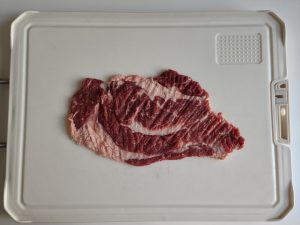
- Pound the Meat: Use the back of your knife or a meat mallet to gently pound the steak. This physically breaks the connective tissues (fascia).
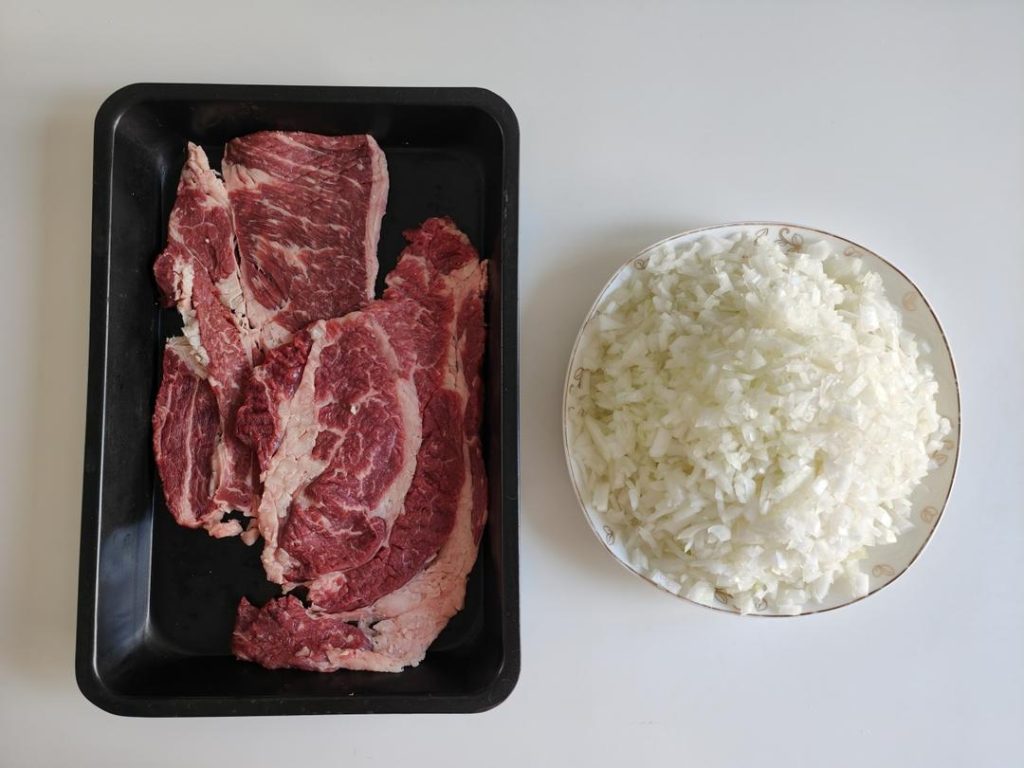
- Mince Onions: Peel and finely mince the white onions.
How to Make Chaliapin Steak Don
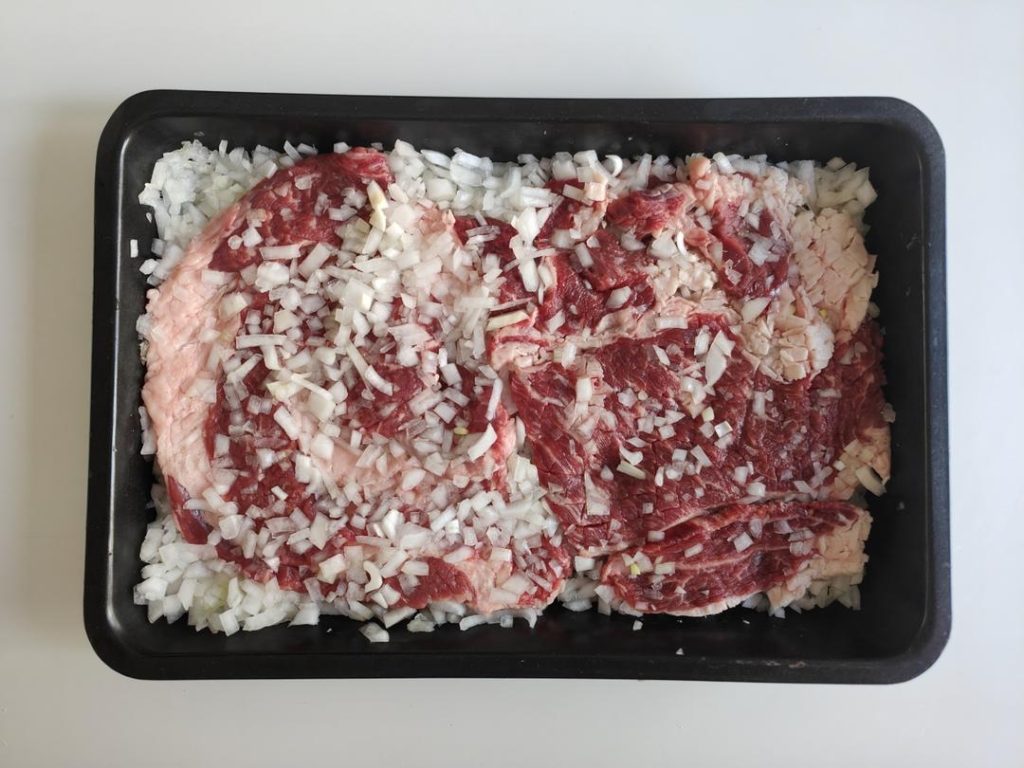
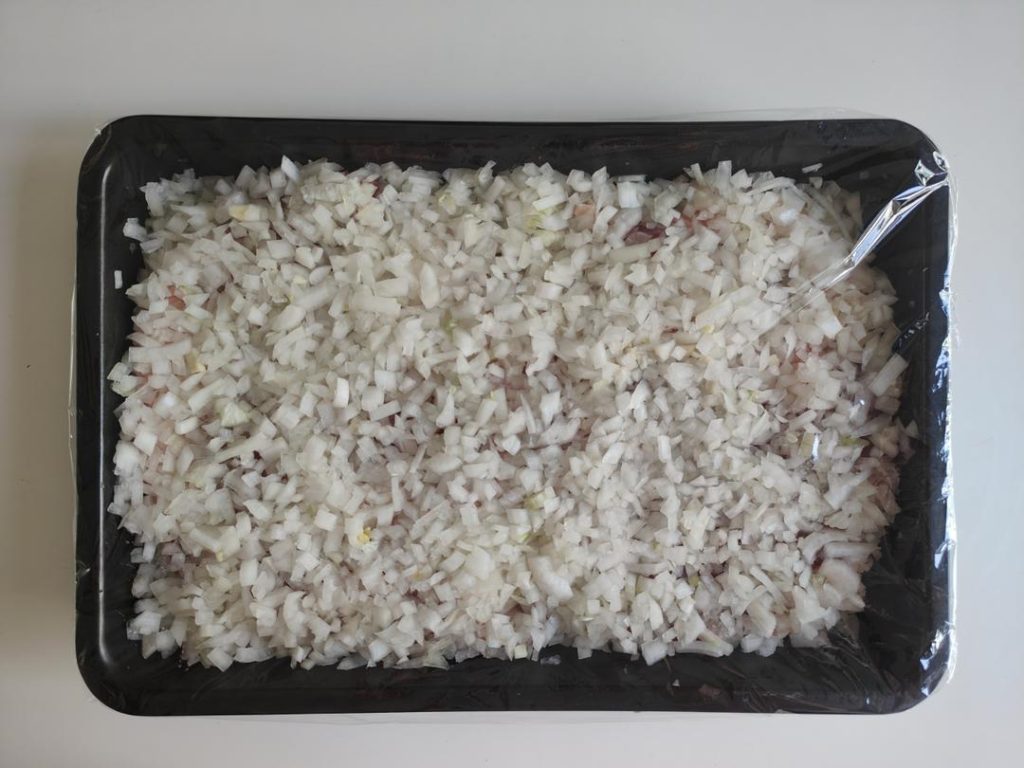
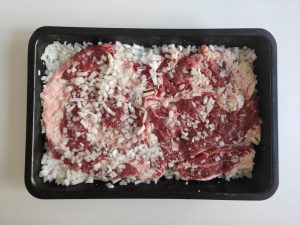
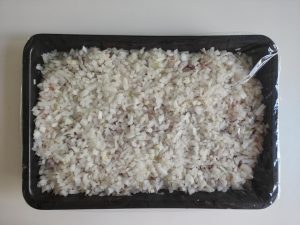
Step 1: The Onion Marinade In a glass or ceramic container, spread half of the minced onions on the bottom. Lay the prepared steaks on top. Cover the steaks completely with the remaining onions. Seal with plastic wrap and marinate in the refrigerator for 1 hour.
Why? Refrigeration is the safest method to prevent bacterial growth while allowing the enzymes to tenderize the meat. (Note: While traditional methods may suggest room temperature for speed, we recommend the refrigerator to ensure food safety standards are met).
Step 2: Sauté the Onions Scrape the onions off the steak (save them!). Heat the olive oil and butter in a pan over medium heat. Add the onions you scraped off the meat. Sauté them until they turn golden brown and fragrant. Remove the onions from the pan and set aside.
Tip: Be patient here. Browned onions equal flavor.
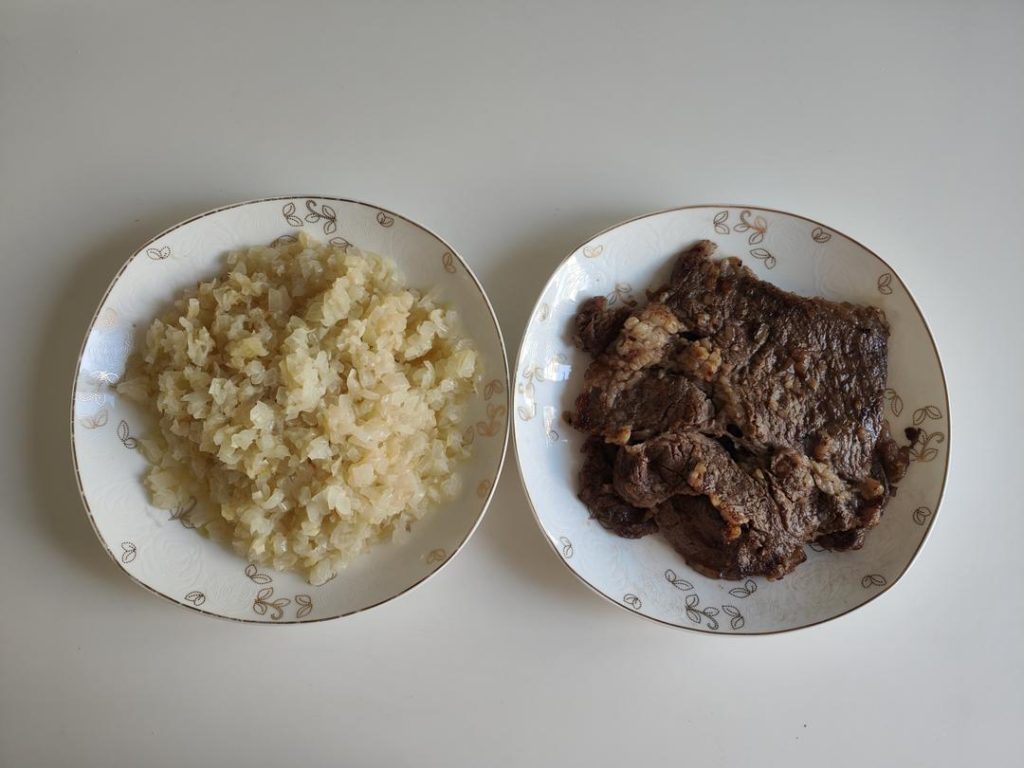
Step 3: Sear the Steak Wipe the pan out if necessary or add a touch more oil. Increase heat to high. Season the steaks lightly with salt and pepper. Sear the steaks for about 1-2 minutes per side (depending on thickness) until browned.
Note: We want a nice crust. Don’t crowd the pan. For food safety, the USDA recommends an internal temperature of 145°F (63°C). However, for a traditional tender medium-rare texture, many chefs pull the steak at 130°F (54°C). Please cook to the doneness that fits your health comfort level. Remove steak and let it rest.
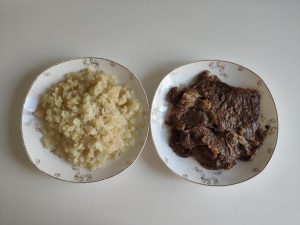
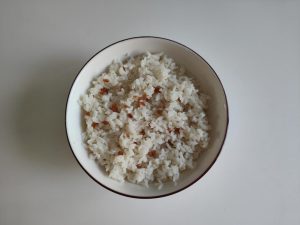
Step 4: Prepare the Rice While the steak rests, mix the pitted, minced Umeboshi into your hot steamed rice. The steam helps distribute the plum flavor.
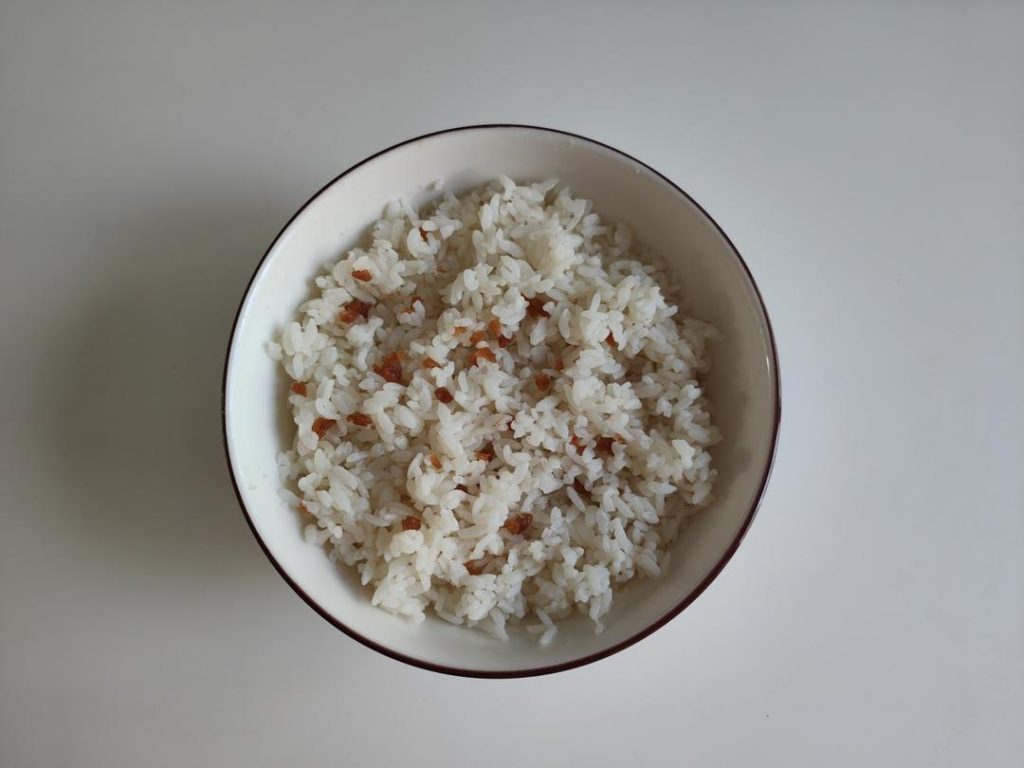
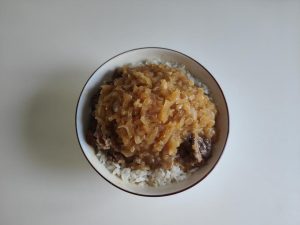
Step 5: Make the Sauce Return the cooked onions to the pan. Add the soy sauce and red wine. Simmer for 1 minute to cook off the alcohol. Taste and add a pinch of salt if needed. Stir your cornstarch slurry and pour it in. Stir constantly until the sauce thickens into a glossy gravy (glacé).
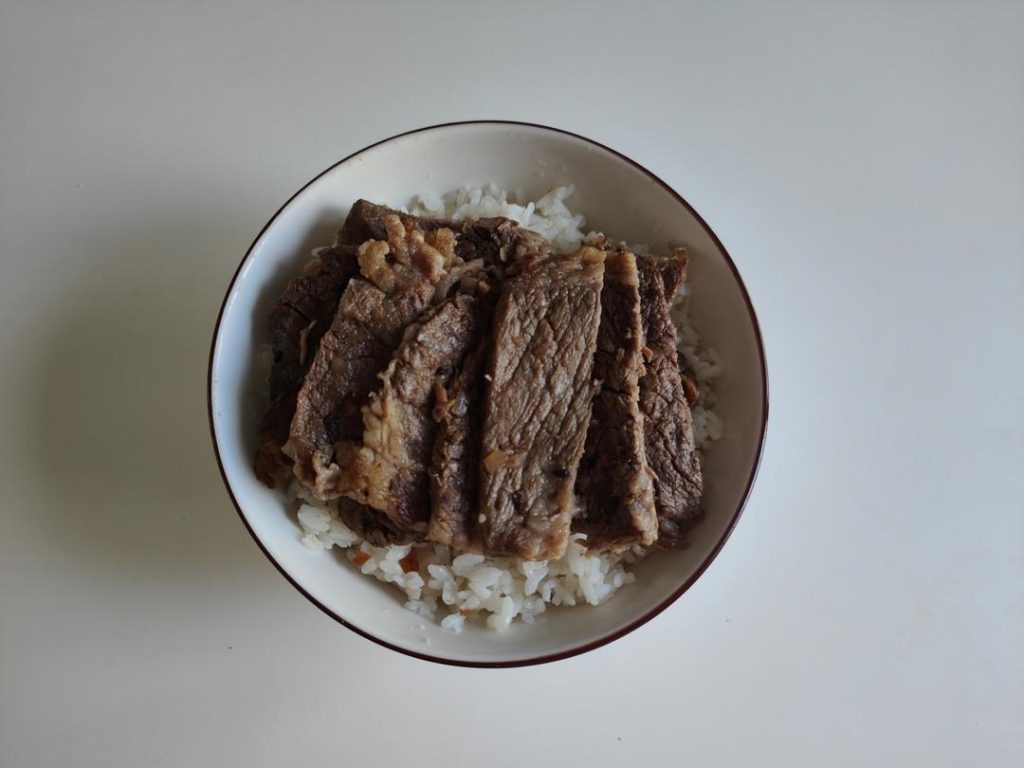
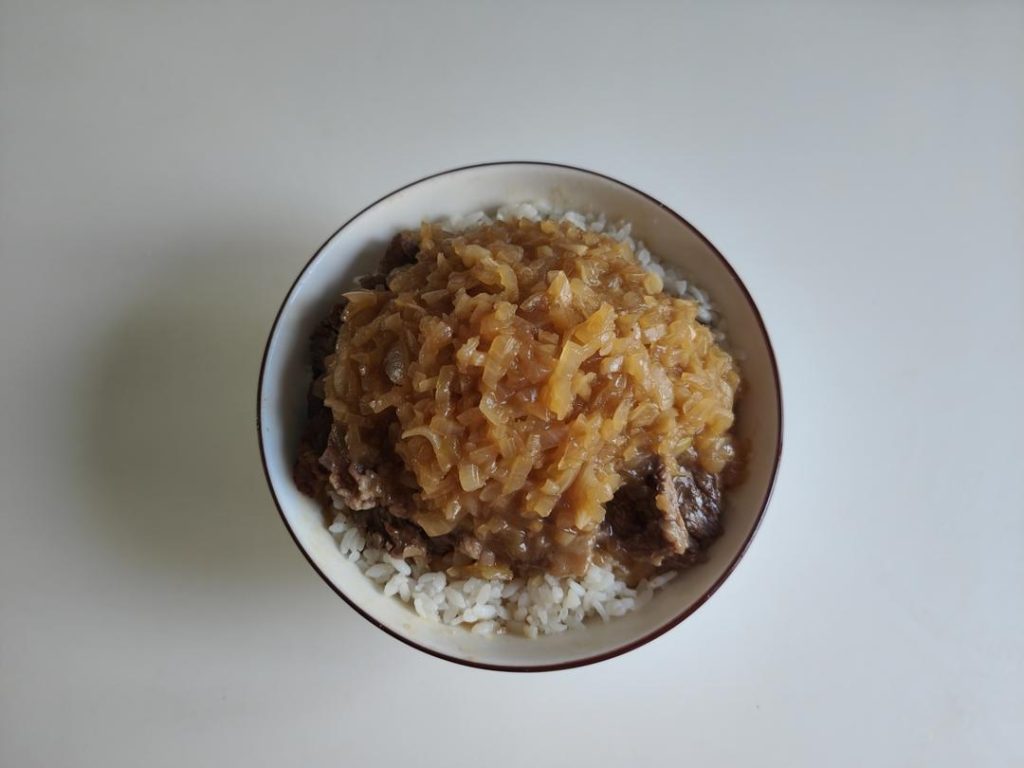
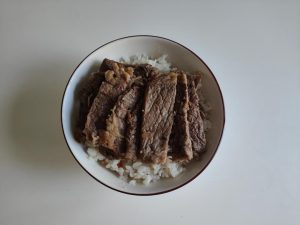
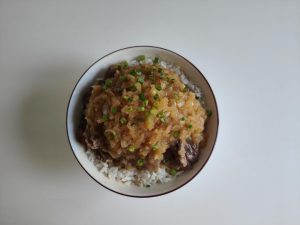
Step 6: Assemble Slice the steak into bite-sized strips or cubes. Mound the plum rice in a bowl. Lay the steak slices over the rice. Heap the thickened onion sauce over the steak like a small mountain. Garnish with chopped scallions.
FAQ / Troubleshooting
Q: My steak turned out mushy. What happened?
A: You likely marinated it for too long. If you leave the beef in the onions for 3+ hours, the enzymes can break down the texture too much, resulting in a mushy mouthfeel. Stick to 1 hour.
Q: Can I use chicken or pork instead?
A: Yes! This method works famously well for pork chops (Tonkatsu cuts). If using pork, ensure you cook it to the safe internal temperature of 145°F (63°C).
Q: I don’t have red wine. What can I use?
A: You can substitute with Sake (Japanese rice wine) for a more traditional Japanese flavor profile, or beef broth if you want to avoid alcohol entirely.
Tips for Success
- Dry the Meat: Before searing, make sure you pat the steak dry again after removing the onions. Wet meat steams instead of searing.
- The Rice Matters: Use high-quality short-grain rice. Its sticky texture holds the sauce and plum bits better than long-grain rice. If you are looking for a noodle pairing instead, check out my guide on Simple Clear Beef Noodle Soup.
- Resting: Letting the steak rest for 5 minutes before slicing keeps the juices inside the meat rather than spilling onto the cutting board.
Serving Suggestions
This is a heavy, rich dish. I recommend pairing it with lighter sides to cut the grease:
- A simple miso soup with tofu.
- Smashed Cucumber Salad for a garlicky, crunchy contrast.
- Blanched spinach with sesame dressing.
Nutrition Information
Calories: 680 kcal Carbohydrates: 72g Protein: 38g Fat: 26g Saturated Fat: 8g Cholesterol: 95mg Sodium: 1150mg Potassium: 620mg Fiber: 4g Sugar: 14g Vitamin A: 150IU Vitamin C: 18mg Calcium: 60mg Iron: 4mg
(Disclaimer: Nutrition information is calculated using an ingredient database and should be considered an estimate. Actual values may vary based on specific brands and cooking methods used.)
Food Safety Warning
Consumer Advisory: Consuming raw or undercooked meats, poultry, seafood, shellfish, or eggs may increase your risk of foodborne illness, especially if you have certain medical conditions. While this recipe may suggest a medium-rare finish (130°F) for texture, please note this is below the federal safety recommendation. Temperature Guide: To ensure safety, the USDA recommends cooking whole cuts of beef (steaks) to an internal temperature of 145°F (63°C) as measured with a food thermometer, followed by a 3-minute rest time.
Recipe Notes
Marinating Time is Key: Do not marinate the steak for longer than 1 to 1.5 hours. The protease enzymes in the onions are very powerful; if left too long (e.g., overnight), they will break down the meat fibers excessively, resulting in a mushy, unappealing texture.
Onion Selection: Stick to standard white or yellow onions. Sweet onions (like Vidalia) have a higher water content and different enzyme profile which may not tenderize as effectively or caramelize the same way for the sauce.
Umeboshi Substitute: If you cannot find Japanese salted plums (Umeboshi), you can simulate the tartness by mixing 1 teaspoon of red wine vinegar and a generous pinch of sea salt into the steamed rice.
Rice Selection: For the best “Don” (bowl) experience, use short-grain Japanese white rice (sushi rice). It has the sticky texture needed to hold the sauce and meat, whereas long-grain rice (like Jasmine) may fall apart.
Authoritative References
Enzymatic Tenderization of Meat: University of Guelph, Department of Food Science. “Proteolytic Enzymes.” https://www.uoguelph.ca/oac/food-science/
Safe Minimum Internal Temperatures: U.S. Department of Agriculture (USDA) Food Safety and Inspection Service. https://www.foodsafety.gov/food-safety-charts/safe-minimum-internal-temperatures
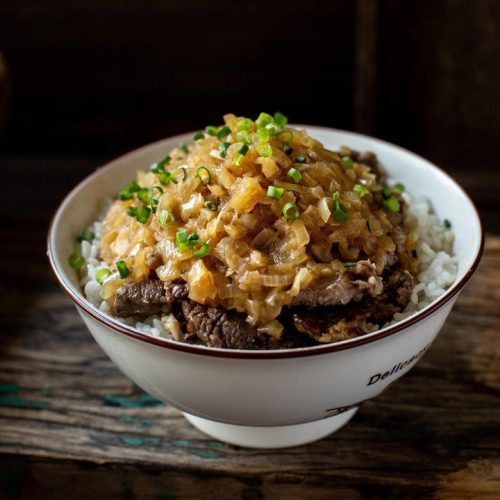
Chaliapin Steak Don (Shaliapin Steak Rice Bowl)

Equipment
- Heavy-bottomed Skillet Cast iron or stainless steel preferred for searing
- Meat Mallet or Heavy Knife For tenderizing
Ingredients
The Steak & Marinade
- 2 slices beef steak Ribeye or Sirloin recommended (approx 350g total)
- 2 large white onions finely minced (approx 600g)
- 1 tbsp unsalted butter (10g)
- 2 tbsp olive oil (30g)
- salt and black pepper to taste
The Rice
- 1 bowl steamed white rice Short grain sushi rice works best
- 5-6 umeboshi Japanese salted plums, pitted and minced
The Sauce
- 2 tbsp Japanese soy sauce Kikkoman or similar
- 2 tbsp red wine Dry red like Cabernet
- 1 tsp cornstarch mixed with 1 tbsp water (slurry)
- scallions chopped, for garnish
Instructions
- Prep the Beef: Pat the steak slices dry with paper towels to remove blood and surface moisture. This ensures a better sear and flavor absorption.

- Score: Using a sharp knife, lightly score both sides of the steak in a cross-hatch (diamond) pattern.
- Pound: Gently pound the meat with the back of a knife or a meat mallet to break down the tough connective tissue (fascia) and flatten slightly.
- Prep Onions: Peel and finely mince the white onions.
- Marinate: In a shallow container, spread half of the minced onions. Lay the steaks on top, then cover completely with the remaining onions. Seal with plastic wrap and marinate at room temperature for 1 hour. (Note: Do not exceed 1 hour significantly to avoid mushy texture).
- Sauté Onions: After marinating, scrape the onions off the steak (reserve them, do not discard!). Heat the butter and olive oil in a skillet over medium heat. Add the reserved onions and sauté until golden brown and fragrant. Remove onions from pan and set aside.
- Sear Steak: Increase heat to high. Sear the steaks in the same pan for 1-2 minutes per side until browned. Cook to an internal temperature of 145°F (63°C) for USDA compliance, or 130°F (54°C) for medium-rare if preferred. Remove steak and let rest.
- Mix Rice: While the steak rests, mix the pitted and chopped umeboshi (salted plums) into the hot steamed rice.
- Assemble: Slice the rested steak into bite-sized strips or cubes. Place the plum rice in a bowl and arrange the steak on top.
- Make Sauce: Return the cooked onions to the pan. Add soy sauce and red wine. Simmer for a minute to cook off alcohol. Adjust salt if needed. Stir in the starch water mixture and cook briefly until the sauce thickens into a glaze.
- Serve: Pour the thick onion sauce over the steak (piling it high like a small mountain) and garnish with chopped scallions.
Notes
Recipe Notes
Marinating Time is Key: Do not marinate the steak for longer than 1 to 1.5 hours. The protease enzymes in the onions are very powerful; if left too long (e.g., overnight), they will break down the meat fibers excessively, resulting in a mushy, unappealing texture. Onion Selection: Stick to standard white or yellow onions. Sweet onions (like Vidalia) have a higher water content and different enzyme profile which may not tenderize as effectively or caramelize the same way for the sauce. Umeboshi Substitute: If you cannot find Japanese salted plums (Umeboshi), you can simulate the tartness by mixing 1 teaspoon of red wine vinegar and a generous pinch of sea salt into the steamed rice. Rice Selection: For the best “Don” (bowl) experience, use short-grain Japanese white rice (sushi rice). It has the sticky texture needed to hold the sauce and meat, whereas long-grain rice (like Jasmine) may fall apart.Food Safety Warning
Consumer Advisory: Consuming raw or undercooked meats, poultry, seafood, shellfish, or eggs may increase your risk of foodborne illness, especially if you have certain medical conditions. While this recipe may suggest a medium-rare finish (130°F) for texture, please note this is below the federal safety recommendation. Temperature Guide: To ensure safety, the USDA recommends cooking whole cuts of beef (steaks) to an internal temperature of 145°F (63°C) as measured with a food thermometer, followed by a 3-minute rest time.Authoritative References
- Safe Minimum Internal Temperatures: U.S. Department of Agriculture (USDA) Food Safety and Inspection Service. https://www.foodsafety.gov/food-safety-charts/safe-minimum-internal-temperatures
- Enzymatic Tenderization of Meat: University of Guelph, Department of Food Science. “Proteolytic Enzymes.” https://www.uoguelph.ca/foodscience/book-page/proteolytic-enzymes


Leave a Reply