You’ve spent time preparing a fresh Smashed Cucumber Salad to go with your stir-fry, but as you start cooking the main course, you realize your bottle of wine is empty. You skip it, thinking it’s just a liquid, only to find the finished meat has a metallic, “raw” smell that lingers on the palate. This specific frustration—meat that tastes “off” despite being fresh—is the most common result of leaving out this critical pantry staple.
Quick Answer: To Skip or Not to Skip?
While you can technically skip it, your dish will lack the aromatic depth and deodorizing power that defines authentic Chinese cuisine. If you must substitute, dry sherry is the closest match, while a splash of chicken broth with a drop of lemon juice works for those avoiding alcohol.
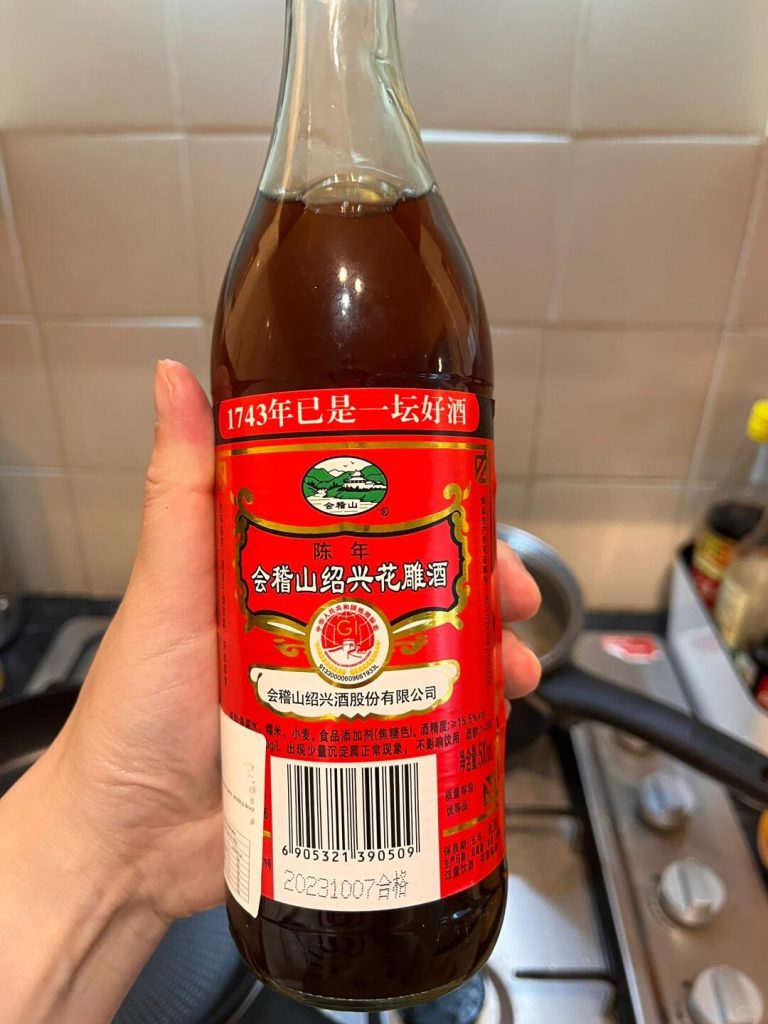
Why It Works: The Vapor Flash
In a hot pan, Shaoxing Wine performs a dual role: its alcohol content bonds with and evaporates volatile “fishy” or “gamey” molecules, while its fermented sugars undergo the Maillard reaction. This transition from liquid to vapor happens in seconds, creating a “steam-flash” that perfumes the fibers of the meat, leaving it smelling clean and savory rather than heavy or raw.
The Real Kitchen Insight
In a restaurant kitchen, we treat wine as a tool for temperature and aroma, not just an ingredient. What most beginners don’t realize is that we never pour the wine directly onto the food. Instead, we splash it against the scorching hot sides of the wok. If you find yourself asking why is my pan not hot enough, you’ll notice the wine just pools at the bottom and boils the meat instead of vaporizing, which ruins the texture.
Essential Substitutes (Western-Friendly)
If you can’t find the real deal, use these common household items to achieve a similar result:
- Dry Sherry: The gold standard substitute; it shares the same nutty, oxidized profile.
- Dry White Wine: Good for seafood or light poultry, though slightly more acidic.
- Sake: A bit sweeter and cleaner, but works perfectly for most stir-fries.
- Light Soy Sauce + Broth: If skipping for health/diet, use a dash more light soy sauce mixed with chicken stock to add back some depth.
Prep Strategy: Timing the Splash
To get the most out of your wine (or substitute), timing is everything. Before you even begin, make sure you know how to slice meat for stir fry across the grain to allow the wine vapors to penetrate the fibers effectively. Add a teaspoon of wine during the marinating stage to start the deodorizing process early, then prepare a second splash for the final seconds of high-heat cooking.
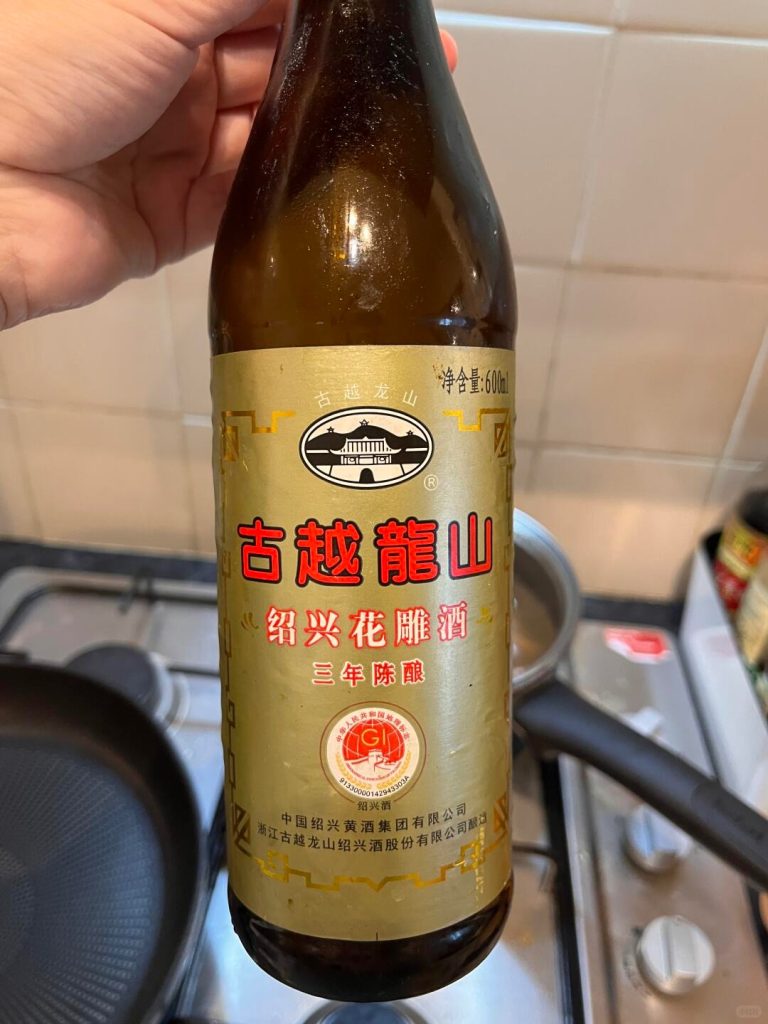
Step-by-Step: The Perimeter Technique
- Heat your pan until a bead of water dances and evaporates instantly.
- Sear your protein until you see light browning on the edges.
- Create the “Perimeter Pour”: Move the food to the center and pour 1 tablespoon of wine in a circle around the inner edge of the pan.
- Listen for the “Hiss”: You should hear a sharp sizzle and smell a nutty, toasted aroma immediately.
- Quick Toss: Stir-fry rapidly for 10 seconds to let the rising steam coat every piece of meat.
6 Common Mistakes + Fixes
| Mistake | Why It Fails | The Fix |
| Using “Cooking Wine” | Overly salty and low-quality alcohol. | Use drinking-grade Shaoxing or Dry Sherry. |
| Pouring on cold meat | Lowers the pan temp and causes steaming. | Pour only on the hot metal edges. |
| Using Mirin | Too sweet; will burn and mask savory flavors. | Use Dry Sherry or Sake instead. |
| Using Rice Vinegar | Far too acidic; makes the dish sour. | Vinegar is for seasoning, not for the “wine splash”. |
| Skipping in seafood | Fishy odors become concentrated. | Use a splash of lemon or extra ginger if skipping. |
| Using too much | Overpowers the delicate sauce ratio. | Stick to 1 tablespoon per pound of meat. |
Pro Tips for Maximum Aroma
If you want to take your flavor layering further, try infusing your wine with a small amount of Chinese Chili Oil before adding it to the pan; the alcohol helps carry the chili fragrance deeper into the dish. Also, if using a home stove, cook in smaller batches to ensure the pan stays hot enough to vaporize the alcohol instantly.
Variations: Alcohol-Free & Dietary Swaps
- Halal/Alcohol-Free: Use chicken or mushroom broth with a tiny pinch of sugar and a drop of white vinegar to mimic the fermented tang.
- Gluten-Free: Traditional Shaoxing contains wheat. Use a high-quality, dry Japanese Sake or a fortified dry white wine.
- Low Sodium: Always avoid grocery store “cooking wines” which are heavily salted; stick to standard rice wine or sherry.
Mini Recipe: Quick Wine-Sizzled Shrimp
- Marinate 1/2 lb shrimp with salt, white pepper, and a teaspoon of cornstarch.
- Heat 1 tbsp oil in a pan until smoking.
- Toss in 3 cloves of minced garlic and the shrimp.
- Just as the shrimp turn pink, splash 1 tbsp of Dry Sherry around the edges.
- Add a handful of pre-soaked rice noodles to create a simplified Vegetable Chow Fun style base, tossing until the wine is fully absorbed.
FAQ
- Can I use Balsamic vinegar? No, the flavor is too strong and fruity; it will ruin the profile.
- Does the alcohol really cook off? On a hot pan, over 90% evaporates within seconds, leaving only the essence behind.
- Can I use white rum? No, the sugar content and flavor profile are incorrect.
- Is it essential for Kung Pao Chicken? Yes, it is vital to balance the vinegar and sugar in the sauce.
- How long does a bottle last? If kept in a cool, dark place, an opened bottle of Shaoxing wine lasts for several months.




Leave a Reply