There are certain dishes in the Chinese culinary repertoire known as Ying Cai (硬菜), or “Hard Dishes.” These are the showstoppers, the centerpieces reserved for festivals, banquets, or when you simply want to treat your family to something spectacular. This Braised Pork Belly with Abalone (Bao Yu Hong Shao Rou) is the definition of a Ying Cai—luxurious, savory, and visually stunning, yet surprisingly achievable at home.

If you are a fan of our classic Braised Pork Belly, this version takes it to the next level. We combine the melt-in-your-mouth richness of pork belly with the unique, chewy-tender texture of fresh abalone. The secret weapon here isn’t just soy sauce; it’s the addition of fermented bean curd juice, which provides a deep, umami-rich red hue and a savory complexity that you just can’t get from sugar alone.
About the Author & Recipe Development
I’m Lin, and I grew up in a restaurant family in Sichuan where “waste not, want not” was a way of life, but flavor was king. My father taught me that the best braised pork doesn’t rely on heavy oil; it relies on patience and technique.
For this recipe, I’ve stayed true to the traditional method of “dry-frying” the pork to render its own fat, a technique I also use in my Red Braised Pork Belly. I tested this recipe three times to get the timing right for the abalone. Many home cooks worry about abalone turning rubbery. Through testing, I found that braising the abalone with the pork for the full 40 minutes allows it to absorb the rich sauce while becoming tender, rather than tough.
What is Abalone Braised Pork Belly?
This dish is a “Surf and Turf” concept, Chinese style. It features bite-sized chunks of skin-on pork belly and whole fresh abalone, slowly simmered in a master sauce of soy, aromatics, and rock sugar.
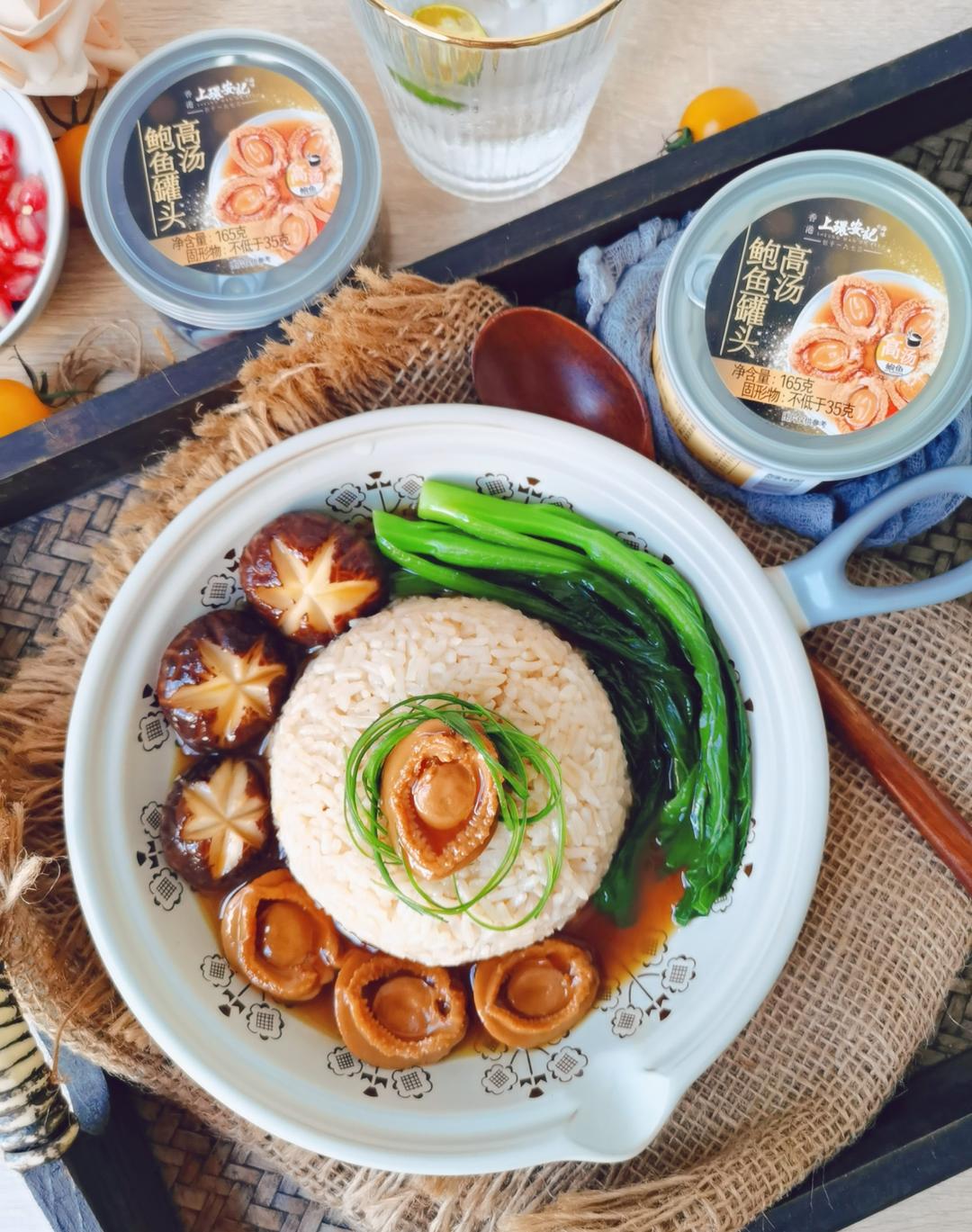
If you absolutely love the luxurious, briny flavor of abalone but don’t have the time to slow-braise pork belly on a busy weeknight, I highly recommend trying my Easy Abalone Rice (15-Minute Restaurant-Style Recipe)
. It uses premium canned abalone in broth and a few simple blanching techniques to deliver that decadent, banquet-style experience in just 15 minutes. It’s the perfect quick seafood fix when you’re short on time but still craving a comforting, umami-packed meal!1Easy Abalone Rice (15-Minute Restaurant-Style Recipe)A luxurious, 15-minute Chinese seafood delicacy made easy. Premium canned abalone gently heated and served over jasmine rice with blanched vegetables and a rich, savory broth.Check out this recipe
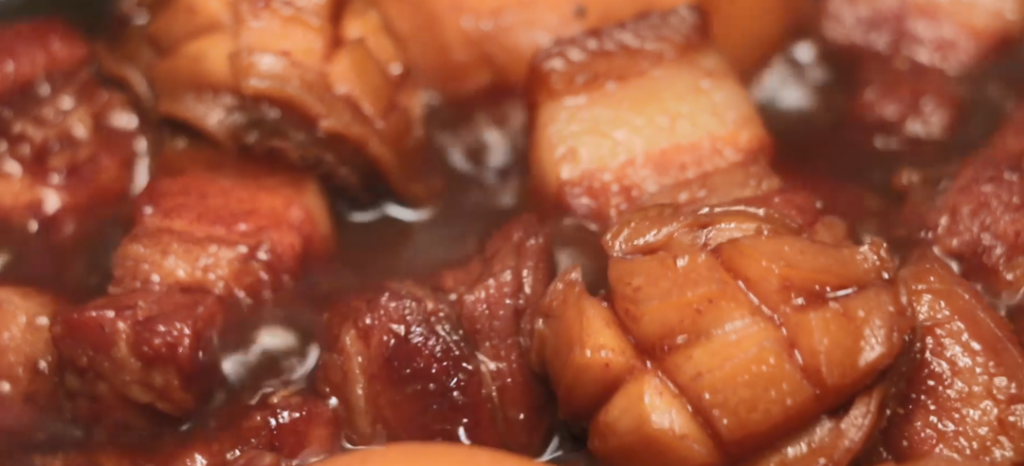
The pork belly provides the fat and gelatin that thickens the sauce, while the abalone acts like a sponge, soaking up those meat juices. If you have ever made Braised Pork with Potatoes, you know how vegetables absorb flavor. Abalone does this even better, adding a subtle oceanic sweetness that cuts through the grease of the pork.
Why This Recipe Works
- The “Dry-Fry” Technique: Instead of adding oil, we sauté the pork in a dry wok. This renders out excess grease, ensuring the final dish is rich but not heavy or oily.
- Color & Umami: We use fermented bean curd juice (often used in Red Braised Pork Belly) alongside rock sugar. This gives the meat a brilliant ruby-red color without needing to master the difficult skill of making caramel (chao tang se).
- Flavor Absorption: By cross-hatching the abalone, we increase the surface area, allowing the sauce to penetrate deep into the meat.
Key Ingredients
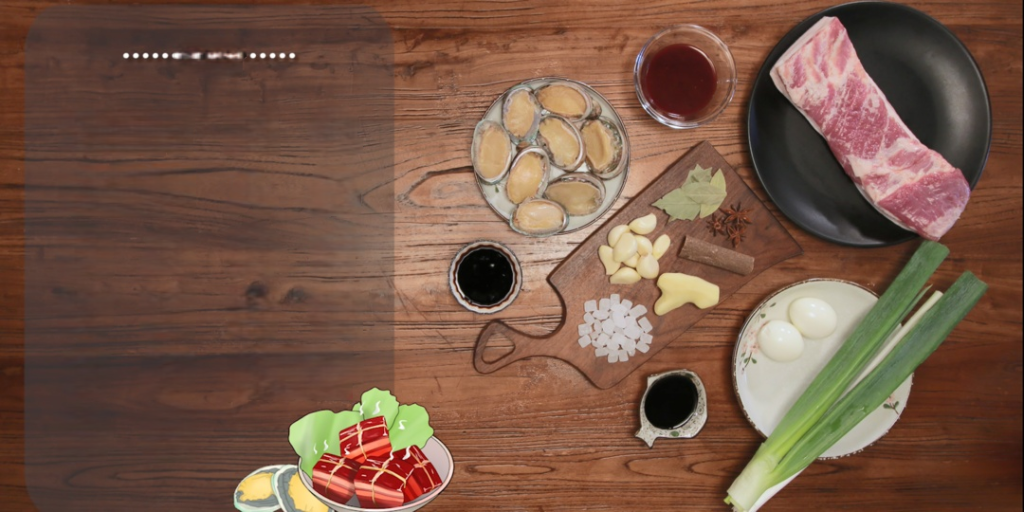
- Pork Belly: You need skin-on pork belly for this. The skin provides the gelatin needed for the glossy sauce. If you are new to this cut, read my guide on Pork Belly selection.
- Fresh Abalone: Look for fresh or frozen medium-sized abalone at Asian markets (often sold in the seafood section).
- Aromatics: Ginger, scallion (white parts), garlic, star anise, cinnamon stick (cassia bark), and bay leaf.
- Fermented Bean Curd Juice (Fu Ru): This comes from a jar of red fermented bean curd. It adds a savory, salty depth. If you can’t find it, you can mash a cube of red bean curd with a little water.
- Liquids: Shaoxing Wine for deglazing, Light Soy Sauce for saltiness, and Dark Soy Sauce for that deep caramel color.
- Rock Sugar: Creates a glossy sheen (the “fox color”) and balances the salty soy sauce.
Common Mistakes When Making Braised Pork
- Using Cold Water: Never add cold water to hot meat during the braising step. It shocks the protein and makes it tough. Always use boiling water.
- Skipping the Sear: If you don’t singe the pork skin (as described in step 1), you may end up with unpleasant stubble or a gritty texture.
- Overcrowding: Ensure your pot is large enough so the liquid covers the ingredients. If you are crowding the pot, similar to making Braised Pork Ribs, the heat distribution will be uneven.
Recipe Notes Before You Begin
- Equipment: You will need a wok for searing and a heavy-bottomed pot (like a Dutch oven) or a deep wok with a lid for braising.
- Abalone Prep: Cleaning abalone takes a few minutes. A dedicated clean toothbrush works wonders for scrubbing the black film off the sides.
How to Make Braised Pork Belly with Abalone
1. Prep the Pork Skin
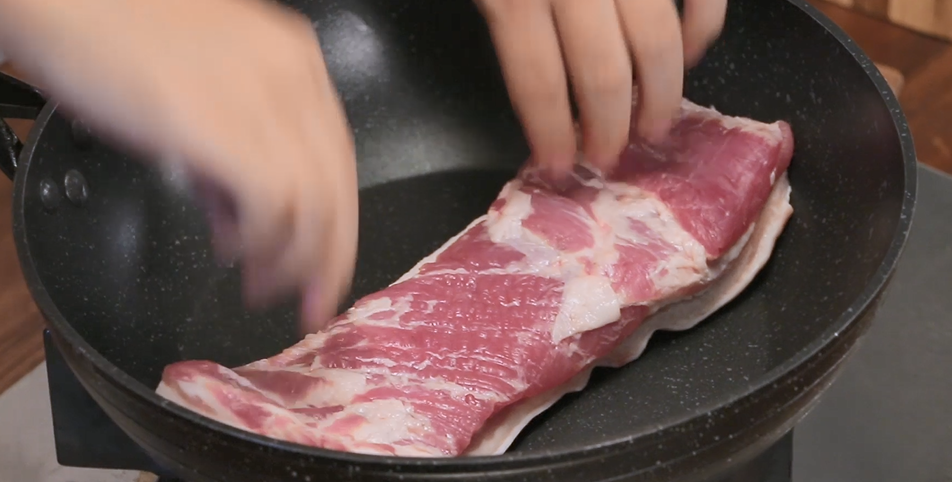
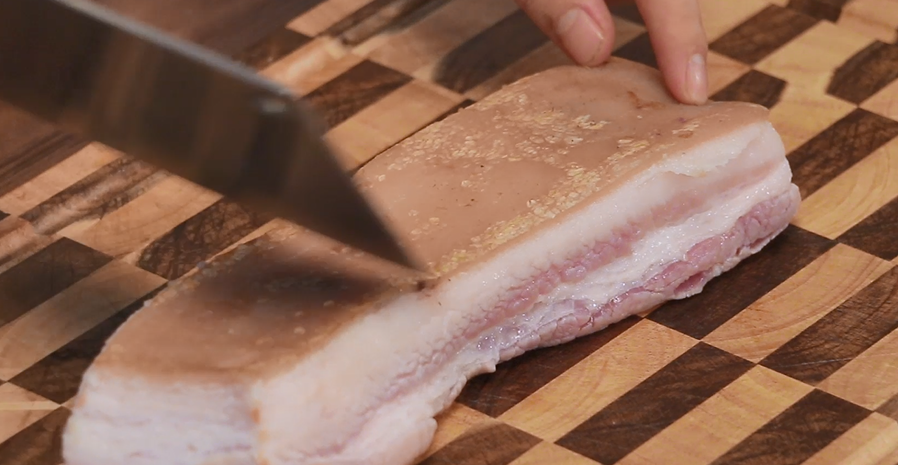
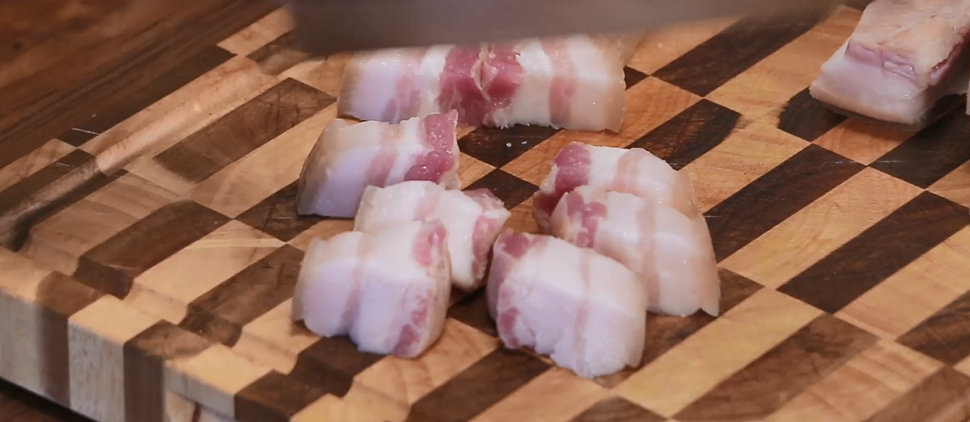
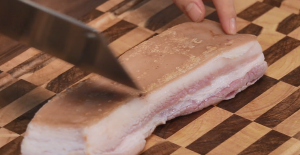
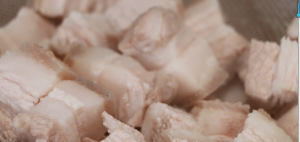
If your pork belly has any visible hair on the rind, heat a dry wok or pan over high heat (no oil). Press the skin side of the pork belly down onto the hot metal. Sear until the hair is carbonized and the skin is golden and bubbly. Remove and scrape the skin with a knife to clean it. This not only removes hair but also helps the skin absorb flavor later. Cut the pork into 1.5-inch chunks.
2. Clean the Abalone
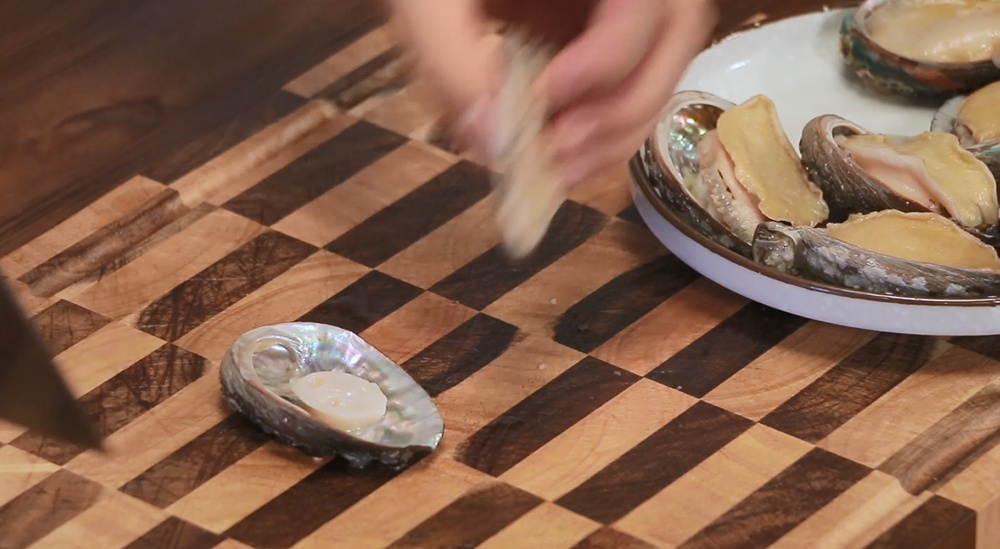
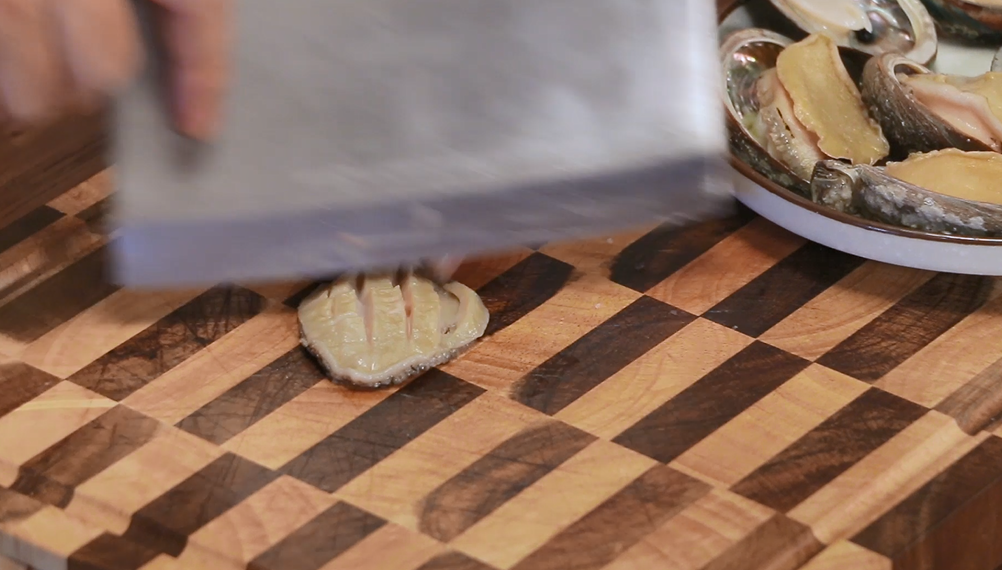
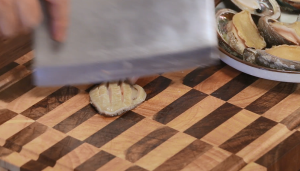
Scrub the abalone thoroughly with a brush. Use a spoon to pry the meat from the shell. Remove the guts (viscera) and the mouthparts. Wash the meat again. Score the top of the abalone in a cross-hatch pattern (like a grid), being careful not to cut all the way through.
Tip: Don’t throw away the shells if they are pretty; they make great plating decoration, though we won’t cook with them.
3. Blanch the Meat
Place the pork chunks in a pot of cold water. Bring to a boil. Skim off the gray foam (scum) that floats to the top. This removes the gamey odor. Drain the pork and set aside.
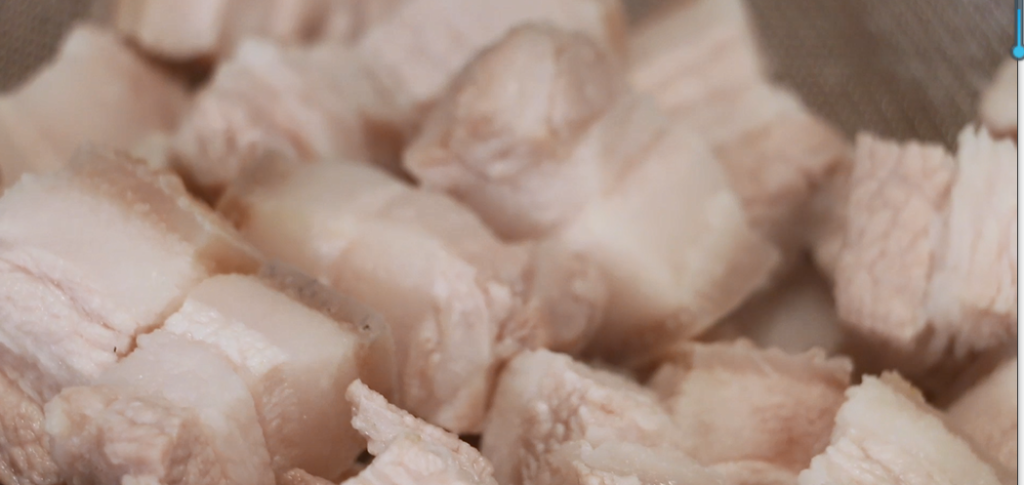
4. Dry-Fry the Aromatics and Pork
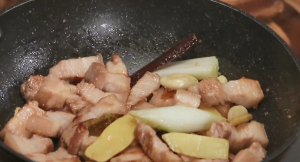
Heat your wok over medium heat. Do not add oil. Add the blanched pork belly, ginger slices, garlic, scallion segments, star anise, bay leaf, cinnamon, and the rock sugar. Stir-fry continuously.
Why? We are rendering the fat out of the pork to cook the aromatics. This makes the dish less greasy. The rock sugar will melt and coat the pork, giving it a beautiful shine.
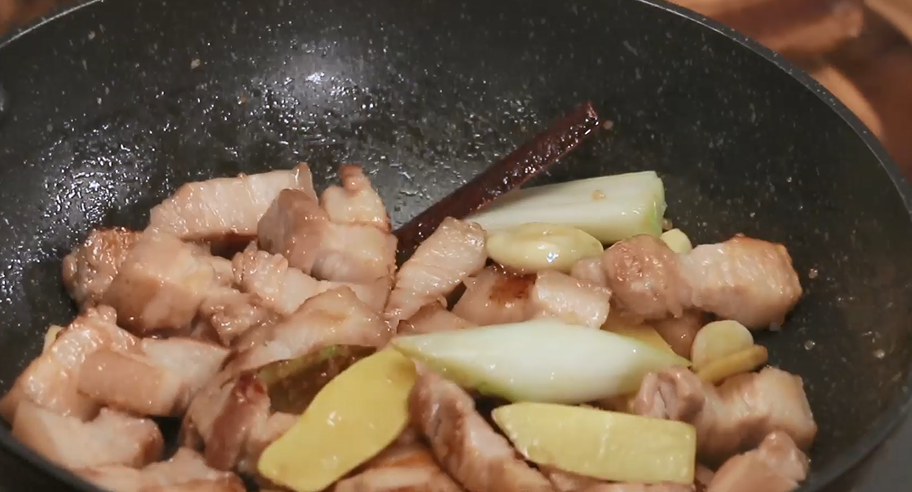
5. Season and Deglaze
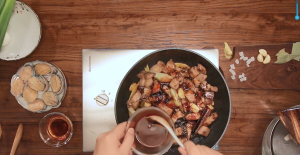
Once the pork is slightly browned and glistening with oil, pour in the cooking wine (about 5 tbsp) around the perimeter of the wok. Let it sizzle and evaporate to remove the “pork funk.” Add the light soy sauce (5 tbsp), dark soy sauce (1 tbsp), and the fermented bean curd juice (4 tbsp). Stir well until the pork is coated in a rich, red color.
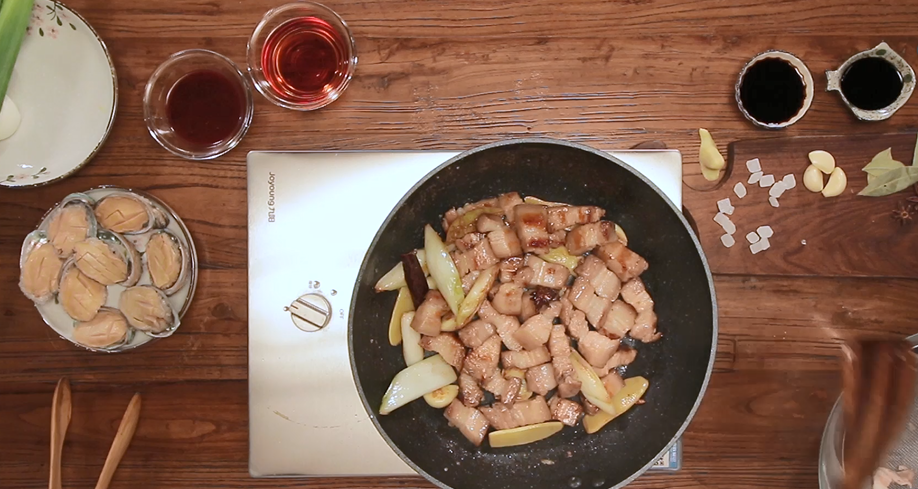
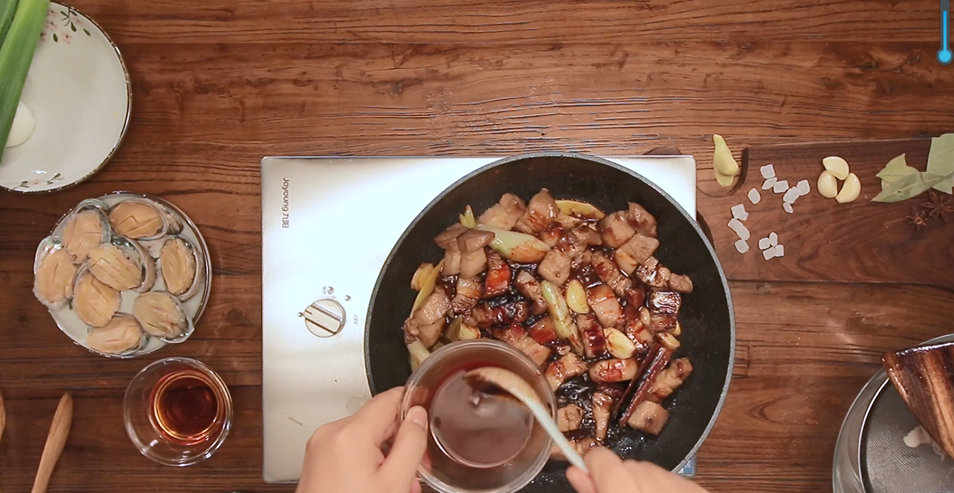
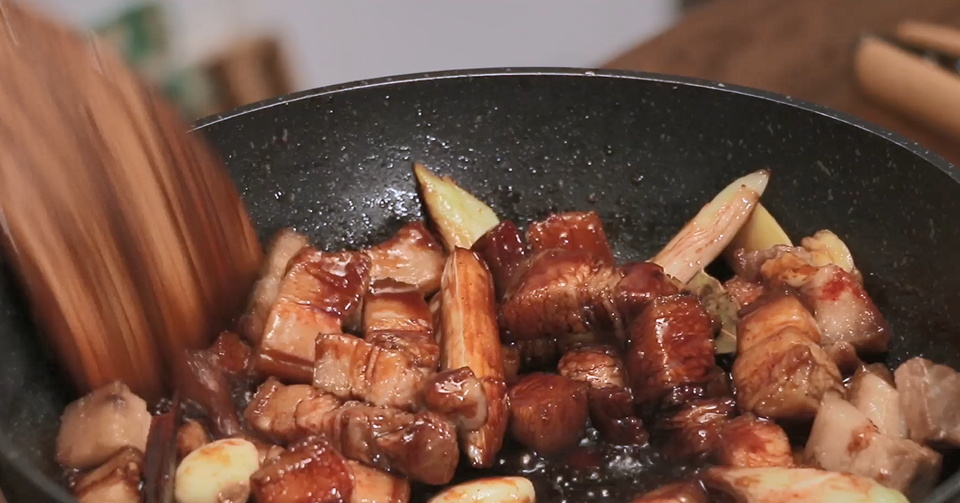
6. The Braise
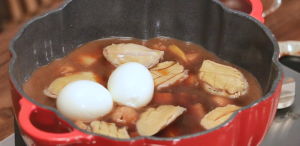
Pour in enough boiling water to cover the ingredients. Transfer everything to a soup pot or Dutch oven if your wok doesn’t have a tight lid. Add the prepared abalone. (If you want to add boiled eggs, like in our Braised Pork Ribs with Eggs, add them now). Add another tablespoon of cooking wine over the abalone.
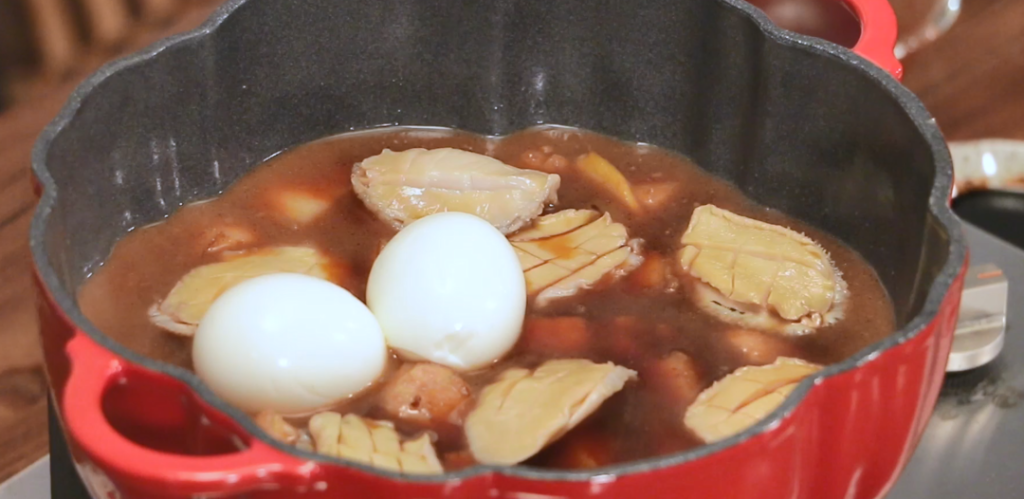
7. Simmer and Reduce
Cover and simmer on low heat for 40 minutes.
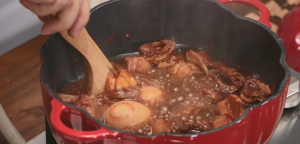
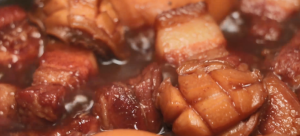
- Note: We typically don’t add salt yet because the soy sauces and bean curd are salty. After 30 minutes, give it a gentle stir to prevent sticking. Pick out the large spices (ginger, cinnamon, star anise) if you wish. After 40 minutes, check the pork tenderness. If it’s fork-tender, turn the heat to high. Stir constantly to reduce the sauce (shou zhi) until it is thick, sticky, and coats every piece of meat. Taste and add salt only if absolutely necessary.
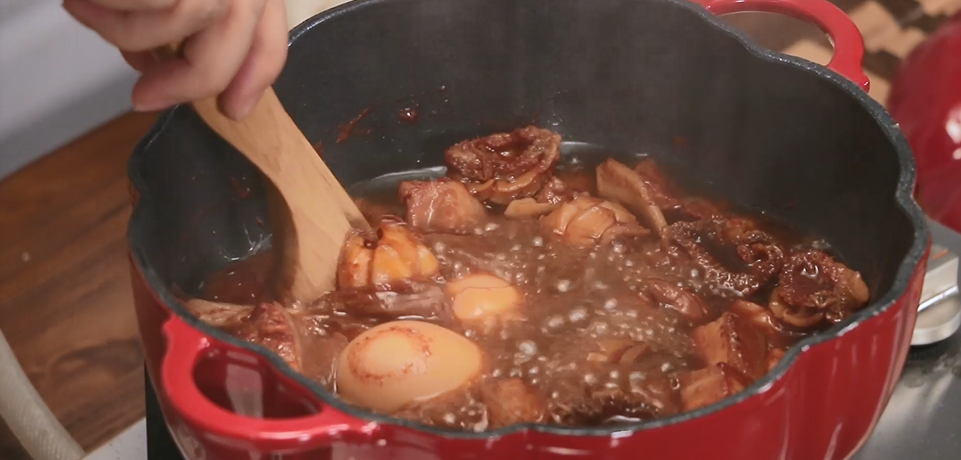
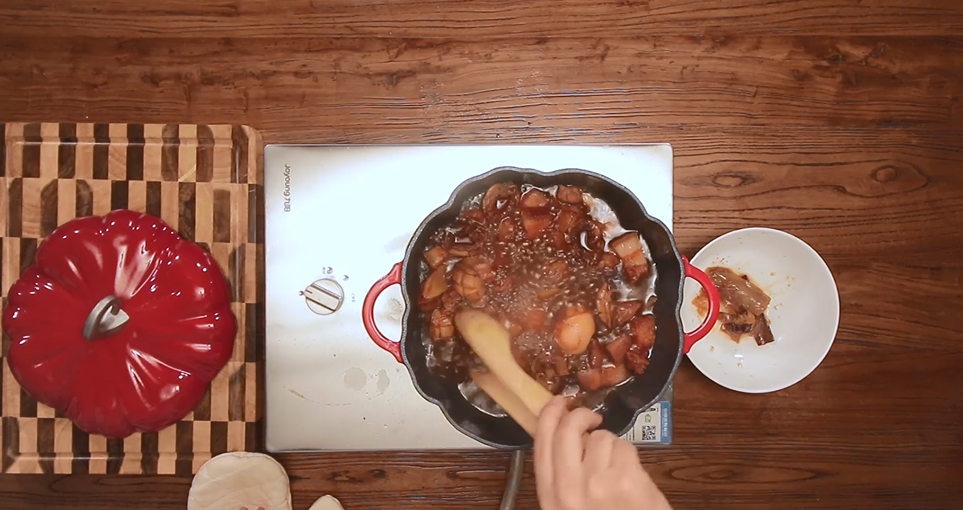
Serve immediately with steaming white rice!
Food Safety and Preparation
- Pork Safety: Ensure the pork belly reaches an internal temperature of at least 145°F (63°C), though for braising, we cook it much longer to break down collagen.
- Shellfish Warning: Abalone is a shellfish. Ensure it is cleaned properly and thoroughly cooked. If you have shellfish allergies, stick to a standard Braised Pork Belly.
- Sugar Burns: When reducing the sauce at the end, sugar burns very quickly. Do not walk away from the stove during the final 5 minutes.
Authoritative References
- For safe meat preparation guidelines, refer to the USDA Food Safety and Inspection Service.
- For handling shellfish safely, consult the FDA Seafood Safety Guidance.

Braised Pork Belly with Abalone (Bao Yu Hong Shao Rou)

Equipment
- Wok
- Heavy-bottomed Pot or Dutch Oven
Ingredients
- 1.5 lb pork belly skin-on, cut into 1.5-inch chunks
- 6 fresh abalone cleaned and scored (6-8 pieces)
- 1 stalk scallion white part only, cut into 2-inch segments
- 1 inch ginger sliced
- 4 cloves garlic smashed
- 1 star anise
- 1 piece cinnamon stick small piece (cassia bark)
- 1 bay leaf
- 2 tbsp rock sugar approx. 30g
- 6 tbsp Shaoxing cooking wine divided use
- 5 tbsp light soy sauce
- 1 tbsp dark soy sauce
- 4 tbsp red fermented bean curd juice or 2 cubes mashed with water
- boiling water enough to cover ingredients
- 6 quail eggs or chicken eggs hard-boiled and peeled (optional)
Instructions
- Prep the Pork Skin: Heat a dry pan over high heat. Sear the skin side of the pork belly until golden and hair is singed. Remove and scrape clean with a knife, then cut pork into 1.5-inch chunks.

- Clean Abalone: Scrub abalone clean, remove meat from shell, discard guts/mouth, and wash. Score the top of the meat in a cross-hatch pattern.

- Blanch Pork: Place pork in a pot of cold water. Bring to a boil to remove scum (gray foam). Drain and set aside.

- Dry Fry: Heat wok over medium heat (no oil). Add pork, ginger, garlic, scallion, star anise, cinnamon, bay leaf, and rock sugar. Stir-fry until pork renders fat and sugar melts.

- Season: Add 5 tbsp Shaoxing wine, light soy sauce, dark soy sauce, and fermented bean curd juice. Stir to coat the meat in the red sauce.
- Braise: Pour in enough boiling water to cover ingredients. Add abalone (and eggs if using). Drizzle remaining 1 tbsp wine over abalone. Bring to a boil.

- Simmer: Cover, reduce heat to low, and simmer for 40 minutes. Stir occasionally at the 30-minute mark and remove spices if desired.

- Reduce: Uncover. Turn heat to high to thicken the sauce until it glazes the meat (approx. 10 mins). Taste and add salt if needed. Serve hot.




Leave a Reply