The best Chinese fish dishes often come down to one decision: whether to let the sauce into the fish or keep it on the surface. Peng dai yu (烹带鱼) – the “sweet-sour braised hairtail” style – chooses the first path, and it is a masterclass in why. The fish is fried to a golden crust, then simmered briefly in a sugar-vinegar glaze so the sauce steams into every bite. It is the home-style cousin of sweet and sour pork, applied to one of China’s favorite everyday fish.
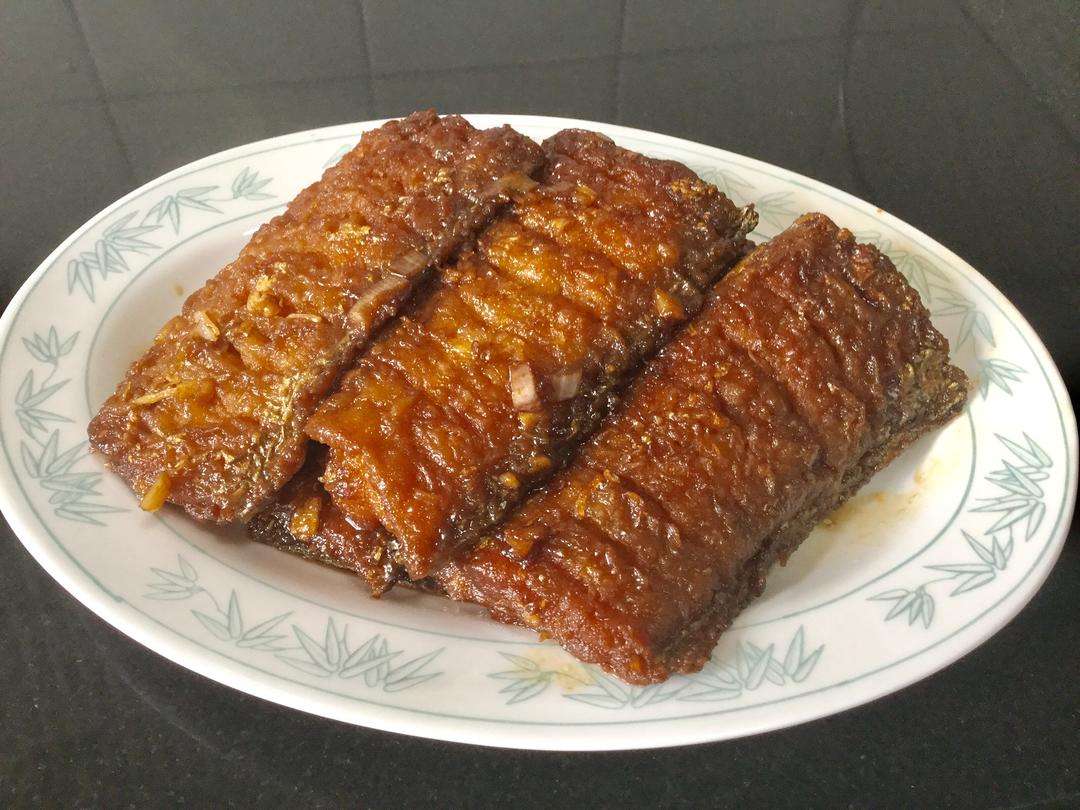
This recipe from a Chinese home cook is short, precise, and full of the small confessions that make home recipes trustworthy – the video used too much water because the cook had a toothache, and half as much is better. It is a dish of few ingredients and one clever move: a bowl sauce of sugar, vinegar, and soy, poured over the fried fish and covered for thirty seconds so the glaze does its work, then finished with just a splash of water.
What Is Sweet & Sour Braised Hairtail (Peng Dai Yu)?
Peng dai yu (烹带鱼) is sweet-sour braised hairtail – a home-style Chinese fish dish where hairtail (beltfish) sections are marinated, dusted with flour, fried until golden, and then briefly braised in a sweet-sour glaze of sugar, black vinegar, and soy. The character peng (烹) means to cook quickly with a sauce – a fast, saucy method distinct from the long simmer of a braise.
Hairtail is the everyday fish of northern Chinese home cooking: affordable, sweet, and nearly boneless aside from the central spine. This “small sweet-sour” (小糖醋) version is gentler than the big, ketchup-sweet styles – the sugar and vinegar are measured in small amounts (10 g sugar, 3 spoons of vinegar), so the sauce reads as a savory-sweet lift rather than a candy glaze. The fried crust soaks up the glaze during the covered cook, which is the whole appeal.
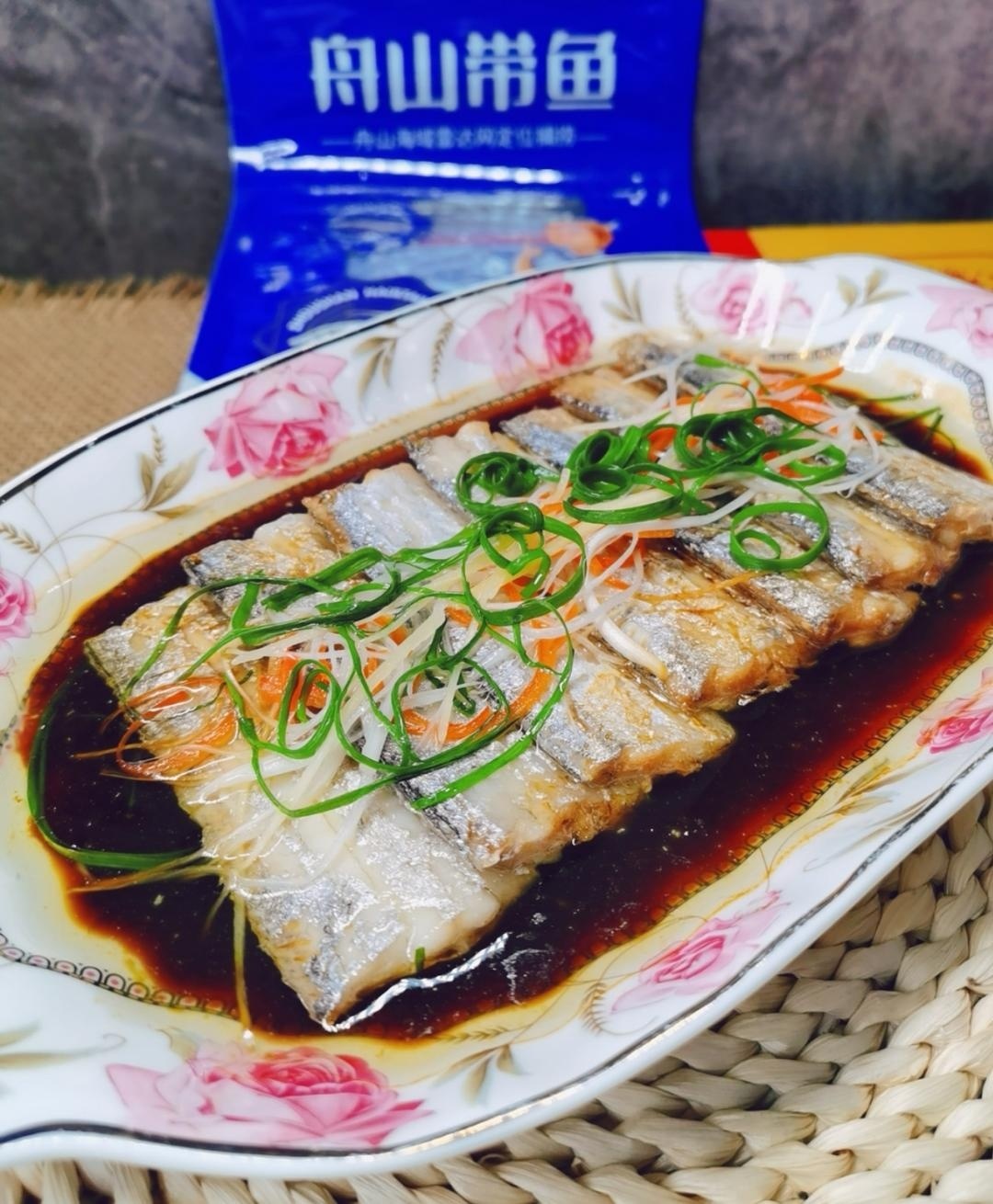
If you prefer your hairtail whole and steamed, my classic steamed ribbonfish is the clean, delicate counterpart to this saucy version.
1Classic Steamed RibbonfishLearn how to make authentic Chinese Steamed Ribbonfish (Hairtail) with perfectly tender meat and zero fishiness. A quick, healthy 15-minute dinner.Check out this recipe
Why This Recipe Works
- Score marks open the flavor path. Shallow cuts across the fish let the marinade in and the glaze soak deeper during the braise – the small detail that makes the sauce taste baked-in.
- A 10-minute marinade is enough. Scallion, ginger, white pepper, salt, and wine season the fish’s surface without breaking down its delicate flesh.
- A thin flour dust builds a soakable crust. Unlike a thick batter, a light flour coat fries crisp enough to hold the fish together but porous enough to drink in the glaze.
- The 30-second covered cook is the trick. Pouring the glaze over the fried fish and covering for 30 seconds lets the sauce steam into the crust before the final splash of water.
- Small sugar, real vinegar. The measured 10 g sugar against 3 spoons of black vinegar gives a savory-sweet finish, not a dessert glaze.
Equipment Needed
- A heavy skillet or wok for frying
- A frying thermometer (the recipe calls for 40% hot oil – about 120°C / 250°F)
- A slotted spoon for the fried fish
- A small bowl for the bowl sauce
- A lid for the covered glaze step
Ingredients
- 1 1/2 hairtail sections (middle cuts, about 500 g / 1.1 lb)
- 2 scallions, chopped
- 2 slices fresh ginger, julienned
- 3 tbsp (45 ml) Shaoxing cooking wine
- 10 g (2 tsp) white sugar
- 4 cloves garlic, sliced
- 1/2 tbsp (8 ml) soy sauce
- 3 tbsp (45 ml) black vinegar (Chinkiang or rice vinegar)
- 1 g (1/4 tsp) white pepper
- 1 g (1/4 tsp) salt
- 1/4 cup (30 g) all-purpose flour, for dusting
- Oil for frying
Ingredient Notes
Hairtail (beltfish): The flat, silvery, ribbon-like fish sold in Asian grocers. The recipe uses the middle section, cut into serving pieces. Fresh or high-quality frozen both work; thaw frozen fish completely and pat dry.
Black vinegar: Chinkiang (Zhenjiang) vinegar is the traditional choice – dark, mellow, and slightly smoky. Rice vinegar substitutes well; cider vinegar works in a pinch. The 3-spoon measure is the dish’s signature tartness, so do not reduce it.
The “small sweet-sour” balance: Only 10 g (2 tsp) of sugar against 3 tablespoons of vinegar and half a spoon of soy – the sauce is meant to be a savory-sweet lift, not a candy glaze. This is what distinguishes 小糖醋 from the big restaurant sweet-sour styles.
Flour dusting: Plain all-purpose flour, applied thin. The original’s step is “a thin layer of flour” – shake off every bit of excess so the crust fries crisp and can absorb the glaze.
Prep & Mise en Place
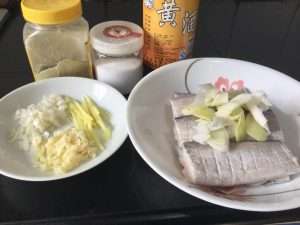
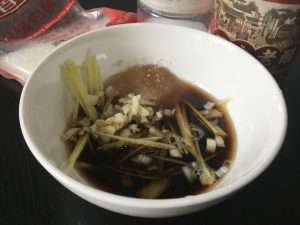
Clean the hairtail, pat it completely dry, and score both sides with shallow diagonal cuts – three or four per side, about halfway through the flesh. Mix the marinade ingredients and rest the fish for 10 minutes. While it marinates, mix the bowl sauce: scallion, ginger, garlic, sugar, vinegar, and soy sauce in one bowl, ready to pour.
Pat the marinated fish dry again (a wet surface rejects flour), dust it thinly, and have the oil heating. The cook is a tight sequence – fry, glaze, cover, splash, reduce – so every bowl must be within reach.
Cooking Process
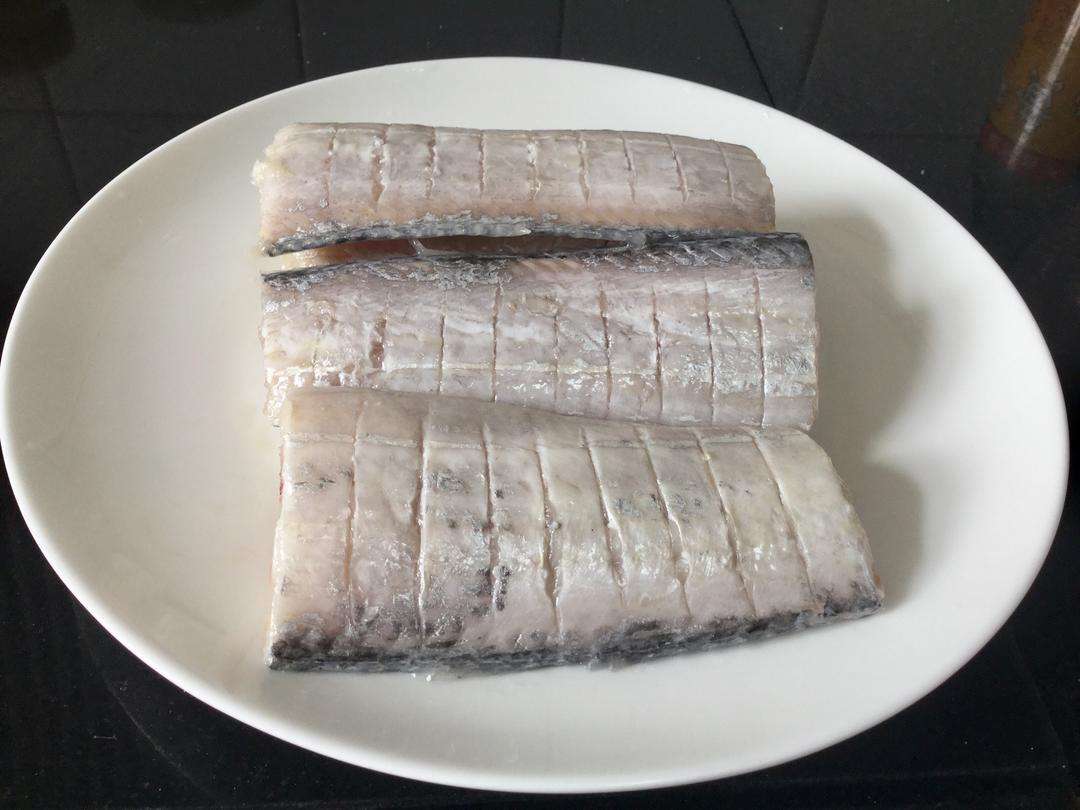
Step 1 – Score the Hairtail
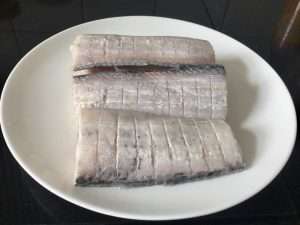
Clean the hairtail and pat it dry. Cut shallow diagonal slashes across both sides of each piece – three or four per side, about halfway through the flesh. The score marks let the marinade and later the glaze penetrate the fish instead of just coating it.
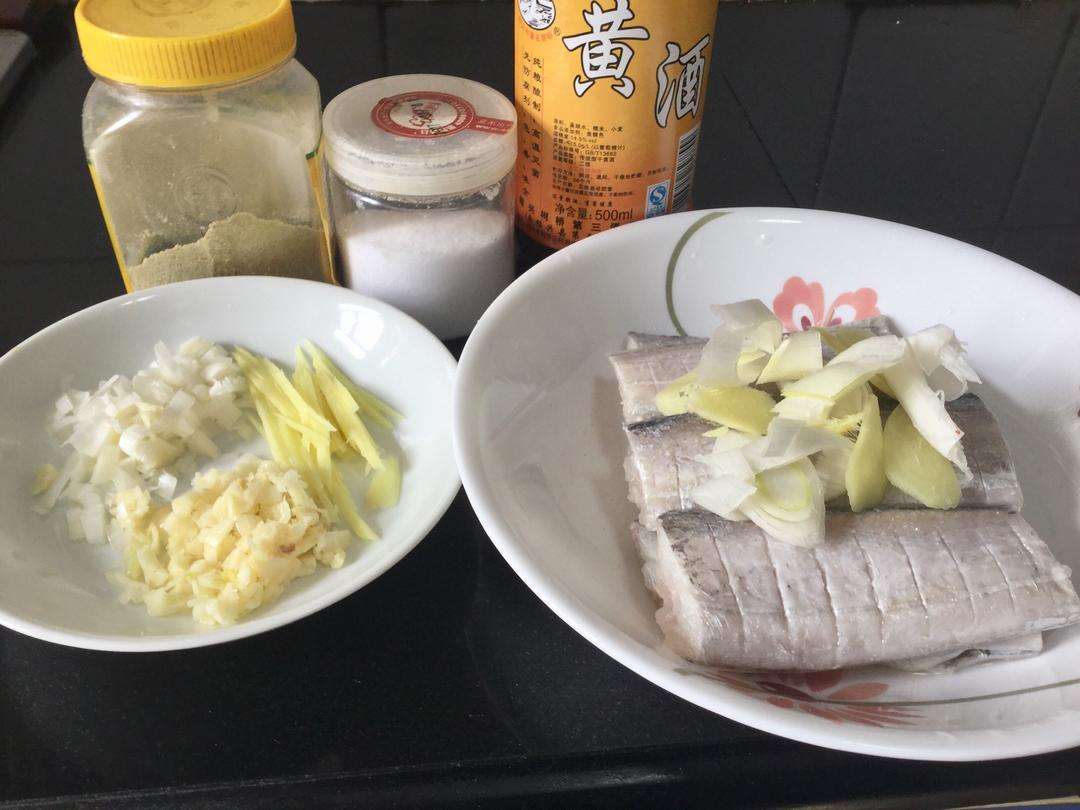
Step 2 – Marinate for 10 Minutes
Combine the scored fish with scallion, ginger, white pepper, salt, and the Shaoxing wine. Rub gently to coat and rest for 10 minutes – just enough for the seasoning to reach the surface flesh without softening it.
Step 3 – Dry, Dust, and Mix the Bowl Sauce
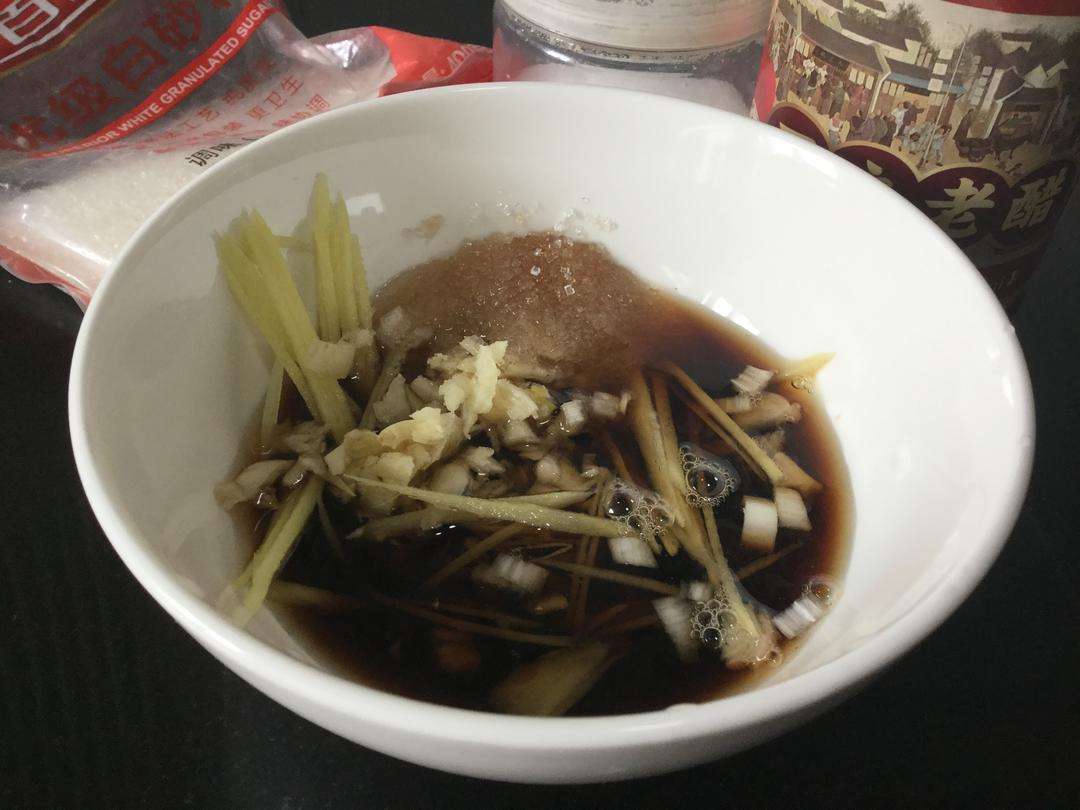
Pat the marinated fish dry with kitchen paper – a dry surface is essential for the flour to cling. Dust each piece with a thin layer of flour and shake off the excess. Meanwhile, mix the bowl sauce: the chopped scallion, ginger, sliced garlic, 10 g sugar, 3 tbsp vinegar, and 1/2 tbsp soy sauce in a small bowl, ready to pour.
Step 4 – Fry at 40% Hot Oil (120°C)
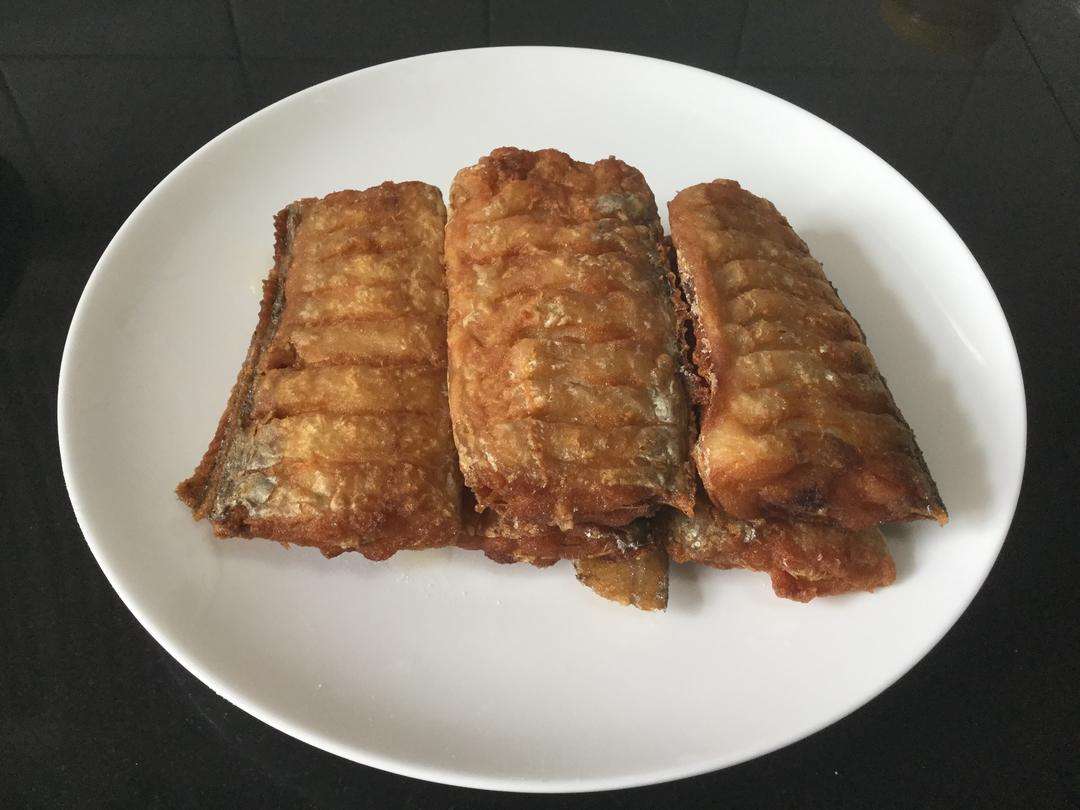
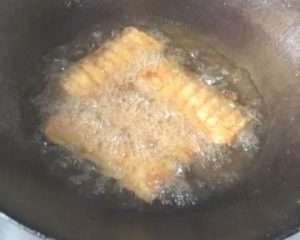
Heat the oil to about 40% hot – the recipe specifies 120°C (250°F). Gently lower the fish pieces in and fry until both sides are golden, about 3-4 minutes per side. The lower oil temperature cooks the fish through gently while the thin flour coat crisps. Drain on kitchen paper. (The original notes the video looks paler than real life – the fish should be genuinely golden.)
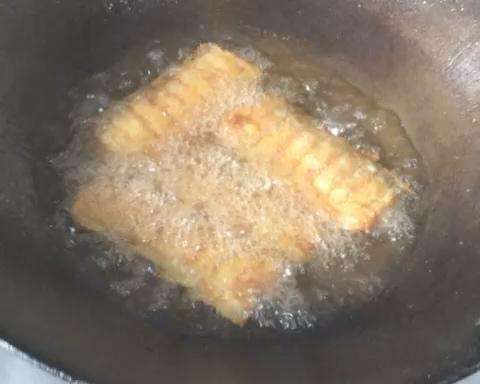
Frying at 120°C (250°F) is the gentle end of the fry spectrum – low enough that the delicate hairtail cooks through before the crust burns, and high enough to set the flour shell. The golden crust is the Maillard reaction in miniature: the fish will hold its shape and be ready to drink in the glaze.
Step 5 – Return the Fish to the Pan
Drain most of the frying oil from the pan, leaving just a little. Return the fried fish pieces to the pan in a single layer. The pan should be hot enough to sizzle when the sauce lands.
Step 6 – Pour in the Sauce and Cover
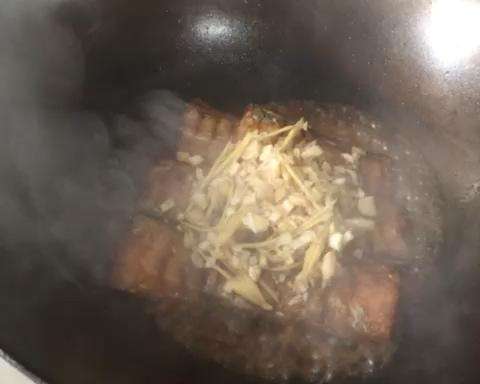
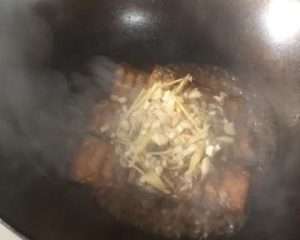
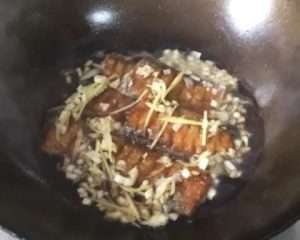
Once the pan is hot, pour in the bowl sauce and immediately cover with a lid. Let it steam for about 30 seconds – this is the step where the glaze works its way into the fried crust and the fish’s score marks.
Step 7 – Add a Little Water and Simmer
After 30 seconds, remove the lid and add a splash of water – the original cook’s confession is that the video used too much water (toothache distraction), and “a little less than half of what you think” is right. Cover again and continue simmering until the sauce reduces and clings to the fish.
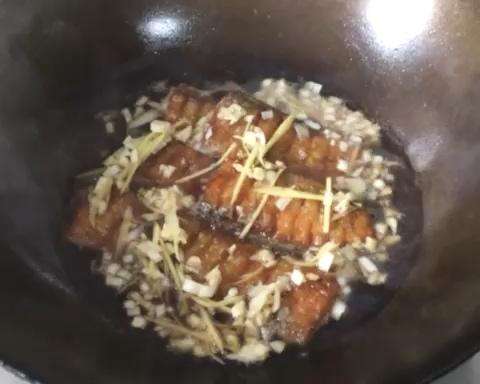
Step 8 – Reduce and Serve
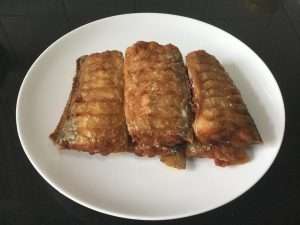
When the glaze has reduced to a glossy coating that clings to the fish, transfer the pieces to a serving plate and spoon any remaining sauce over the top. Serve immediately with steamed rice – the sweet-sour glaze is meant to be sopped up.
Common Mistakes When Making Sweet & Sour Braised Hairtail
1. Soggy, oil-heavy fish. Cause: too much oil left in the pan for the glaze step. Fix: drain to a thin film before returning the fish – the sauce should glaze, not float.
2. A glaze that never clings. Cause: too much water in the final simmer. Fix: the original’s own confession – use “a little less than half of what you think” – and simmer until the sauce coats the fish.
3. Broken, crumbled fish. Cause: overcrowding the fry or moving the fish too early. Fix: fry in a single layer and let each side set before turning; the flour crust needs time to firm.
4. Burnt, bitter sauce. Cause: the pan too hot when the sugar-vinegar sauce lands. Fix: the sauce goes in over medium heat – sugar scorches in seconds on high.
5. Pale, gummy flour crust. Cause: skipping the dry-pat before dusting, or dusting too thickly. Fix: dry the fish thoroughly, dust thinly, and shake off every bit of excess flour.
6. Fishy off-flavors. Cause: skipping the marinade or the score marks. Fix: the 10-minute wine-and-ginger marinade and the scoring are what clean and season the fish from the inside – do not skip either.
Variations
Bigger sweet-sour: Double the sugar for a more assertive, candy-glazed version – the “big sweet-sour” style some regions prefer. Keep the vinegar at 3 spoons.
Spicy kick: A sliced bird’s eye chili or a teaspoon of chili oil in the bowl sauce adds heat that plays well with the vinegar.
Other fish: The same glaze works on mackerel steaks, pomfret, or even fried tofu. Adjust the fry time to the thickness of the fish. For a crunchy companion, my crispy fried pork meatballs use the same golden-crust logic on pork.
Less frying: For a lighter version, skip the flour dust and pan-fry the fish in minimal oil until golden, then proceed with the glaze – the crust will be lighter but still holds.
Frequently Asked Questions
Can I use frozen hairtail? Yes – thaw completely in the fridge, pat very dry, and proceed. Frozen fish benefits from the extra dry before the flour dust.
Why 120°C for frying? Hairtail is delicate and thin; 40% hot oil (about 120°C / 250°F) cooks it through gently while the crust sets. Higher heat burns the crust before the center is done.
Can I make this ahead? The dish is best fresh – the crust softens in the glaze within an hour. Marinate and dust ahead if you like, but fry and glaze at serving time.
Is this very sweet? No – the “small sweet-sour” style uses only 10 g (2 tsp) of sugar, so the dish reads savory-tart with a sweet finish, not a candy glaze.
What vinegar should I use? Chinkiang (black) vinegar is ideal for its mellow, smoky depth; rice vinegar is the cleanest substitute. Avoid white distilled vinegar, which is too sharp.
How to Serve
Serve the glazed fish over steamed rice with the sauce spooned on top – the sweet-sour liquid is the best part of the meal. It is a natural centerpiece for a home-style dinner alongside other saucy classics like classic sweet and sour pork or sweet and sour pork with pineapple for a sweet-sour tasting spread. For a full seafood table, add tomato fish and tofu stew, braised salmon head casserole, or a bowl of spicy cuttlefish fried rice, and if you are curious about the glaze science, my stir-fry sauce thickening guide explains how sugar-and-vinegar sauces behave.
Storage & Reheat
Refrigerate leftovers within 2 hours and consume within 1 day – the fish’s texture softens quickly in the glaze. Reheat gently in a covered pan over medium-low heat with a splash of water to loosen the sauce, until the fish reaches at least 63°C (145°F). Do not freeze; the fried crust and fish texture degrade completely. Never leave the dish out for more than 2 hours.
Allergen Notice
This recipe contains fish (hairtail) and gluten (all-purpose flour, and soy sauce may contain wheat – check labels). It is free of nuts, eggs, dairy, and shellfish.
Nutrition Disclaimer
Nutrition information is calculated using an ingredient database and should be considered an estimate. In cases where multiple ingredient alternatives are given, the first listed is calculated for nutrition. Garnishes and optional ingredients are not included.
About the Author & Recipe Development
I am Lin, a professional Chinese chef and food writer with a decade in restaurant kitchens before turning to recipes. Hairtail was a Friday-night fixture in the home-style kitchens where I trained, and this xiachufang home recipe won me over with its honesty – the confession about the too-generous water, the insistence on 40% hot oil, the measured 10 g of sugar. I tested the covered 30-second glaze step exactly as written and kept the “less water than you think” rule, because it is the kind of detail only a cook who has burned a batch or two would write down.
Authoritative References
USDA Food Safety and Inspection Service – Safe Temperature Chart for fish handling and storage guidance.
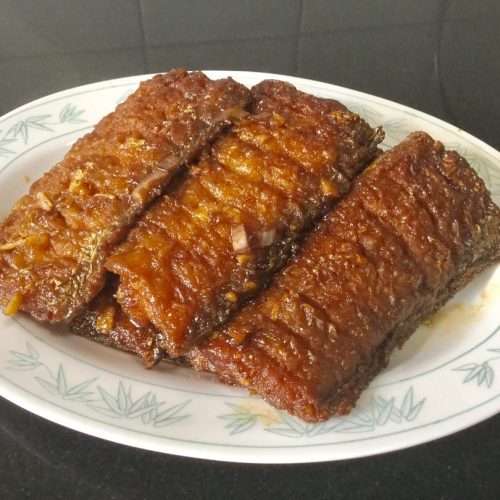
Sweet & Sour Braised Hairtail (Peng Dai Yu) With Vinegar Glaze

Equipment
- Heavy skillet or wok
- Frying thermometer
- Slotted Spoon
- Lid
Ingredients
For the Fish
- 1 1/2 hairtail sections, middle cuts about 500 g / 1.1 lb
- 2 scallions, chopped
- 2 slices fresh ginger, julienned
- 3 tbsp Shaoxing cooking wine 45 ml
- 10 g white sugar 2 tsp
- 4 cloves garlic, sliced
- 1/2 tbsp soy sauce 8 ml
- 3 tbsp black vinegar (Chinkiang or rice) 45 ml
- 1 g white pepper 1/4 tsp
- 1 g salt 1/4 tsp
- 1/4 cup all-purpose flour, for dusting 30 g
- oil, for frying
Instructions
- Clean and dry the hairtail, then score shallow diagonal cuts across both sides of each piece.

- Marinate the fish with scallion, ginger, white pepper, salt, and wine for 10 minutes.
- Pat the fish dry, dust with a thin layer of flour, and shake off excess. Mix the bowl sauce of scallion, ginger, garlic, sugar, vinegar, and soy.
- Fry the fish in oil heated to 120°C (250°F) until golden on both sides, about 3-4 minutes per side. Drain.

- Drain most of the oil, return the fish to the pan, and heat until sizzling.
- Pour in the bowl sauce, cover, and steam 30 seconds.
- Add a small splash of water – less than you think – cover, and simmer until the sauce reduces and clings to the fish.
- Transfer to a plate, spoon the remaining glaze over, and serve immediately with rice.





Leave a Reply