If you have ever sipped a bowl of authentic beef noodle soup and wondered what gave the broth its profound, earthy depth—a flavor that feels like a warm hug but isn’t spicy heat—you were likely tasting Black Cardamom.
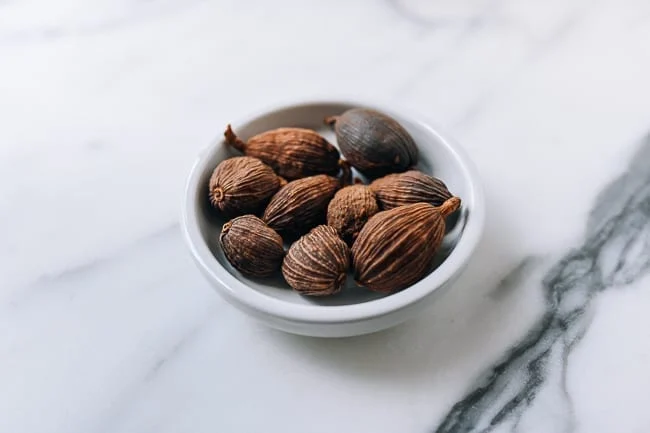
Known in Chinese as Cǎo Guǒ (草果), this spice is the “bass note” of many classic dishes. While it shares a name with the floral, sweet green cardamom used in desserts and chai, they are worlds apart. Black Cardamom is the rugged, smoky cousin that transforms simple meat dishes into restaurant-quality feasts.
What Is Black Cardamom? (Botany & Origins)
To understand this ingredient, we must first clear up a common botanical confusion. Technically, the “Black Cardamom” sold in global markets refers to two distinct species within the ginger family (Zingiberaceae):
- Amomum subulatum (Indian Black Cardamom): Native to the Himalayas (Nepal, Sikkim). Smaller pods, incredibly pungent, and a staple in Indian garam masala.
- Amomum tsao-ko (Chinese Black Cardamom): Also scientifically classified as Lanxangia tsaoko. These pods are larger, ridged, and resemble dried red globe grapes. This is the variety strictly used in Chinese cuisine.
Grown primarily in the high-altitude, humid forests of Yunnan province in China and northern Vietnam, the fresh fruits are red and harvested in autumn. The defining characteristic of Cǎo Guǒ comes from its processing: the pods are typically dried over open flames. This traditional method infuses the coarse outer shell and the sticky seeds inside with a distinct, campfire-like smokiness.

Flavor Profile: The “Meat” Spice
Black Cardamom is intense. It does not possess the cooling, eucalyptus notes of green cardamom. Instead, its flavor profile is:
- Smoky and Earthy: Reminiscent of smoked tea (Lapsang Souchong).
- Camphoraceous: A subtle medicinal undertone that cuts through grease.
- Resinous: A warm, pine-like aroma.
In Chinese food science and Traditional Chinese Medicine (TCM), Cǎo Guǒ is prized for its ability to neutralize strong odors (Qu Xing Qu Shan 去腥去膻). This makes it the perfect match for “gamey” meats like beef, lamb, and mutton. It balances the heaviness of animal fats, making rich dishes taste cleaner and more appetizing.
Culinary Uses: How to Cook with It
Unlike star anise or cinnamon, which sit at the front of the palate, Black Cardamom works in the background. It provides a savory foundation that binds other spices together.
1. The Master of Braises (Lu Wei)
In Red Braised (Hong Shao) dishes, Black Cardamom is indispensable. It pairs exceptionally well with fatty pork cuts. If you are attempting our classic Braised Pork Belly, adding just one cracked pod to the pot will add a layer of complexity that soy sauce and sugar alone cannot achieve.
2. Beef and Lamb Soups
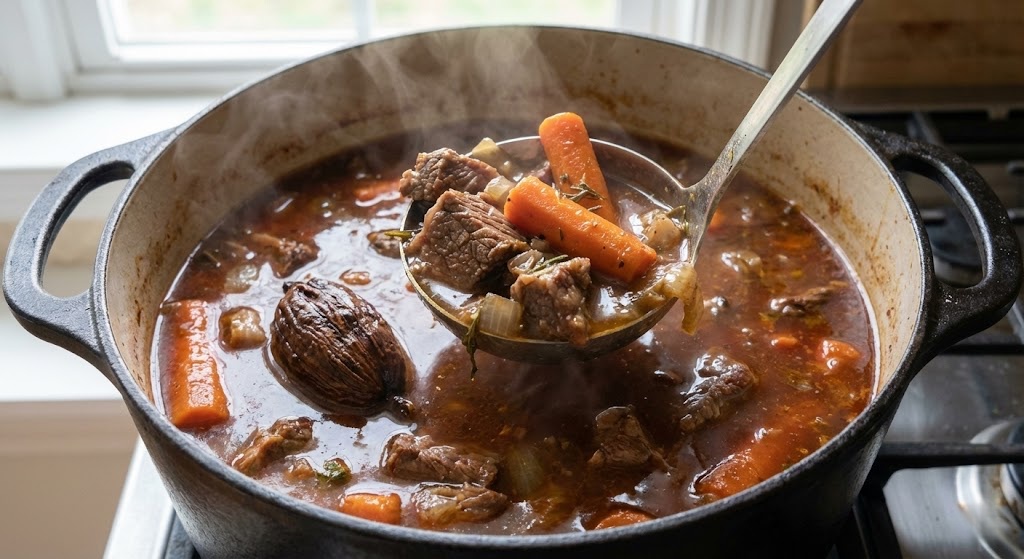
This is where Cǎo Guǒ truly shines. It is a non-negotiable ingredient in beef broths. When making a hearty Braised Beef Noodle Soup, the spice helps tame the metallic taste of the beef while highlighting its savory sweetness. Similarly, for lighter broths like a Simple Clear Beef Noodle Soup, one pod ensures the soup tastes rich without being heavy.
3. Chili Oils and Infusions
When making aromatic oils, Black Cardamom adds a savory smokiness that complements the heat of chilies. We recommend adding a pod to the oil infusion stage when making Homemade Chinese Chili Oil; it adds that “secret restaurant flavor” that makes the oil perfect for wontons or noodles.
Flavor Pairings and Spice Combinations
For the novice cook, understanding spice synergy is key. Black Cardamom is rarely used alone. It works best as part of a team:
- The “Trinity”: Combine with Star Anise and Cassia Bark (Chinese Cinnamon) for the base of almost any Chinese stew.
- For Beef: Pair with Fennel Seeds and Sichuan Peppercorns.
- For Lamb: Pair with Cumin and Dried Chili Peppers.
You can see this synergy in action in complex dishes like Sichuan Boiled Pork Slices, where the smoky note grounds the fiery chili heat.
Practical Tips for Usage
- Crack it Open: The flavor resides in both the shell and the seeds. Before adding it to your pot, use the flat side of your knife to gently crack the pod open. This releases the seeds and allows the cooking liquid to penetrate the spice.
- Toast for Intensity: For a deeper flavor, dry-toast the pod in a pan with other spices before adding liquid.
- Less is More: This is a potent spice. One or two pods are usually sufficient for a whole pot of stew (serving 4-6 people). Overusing it can make the dish taste bitter or medicinal.
- Remove Before Serving: The pod is woody and inedible. Always fish it out before serving, just as you would with bay leaves.
Buying and Storing
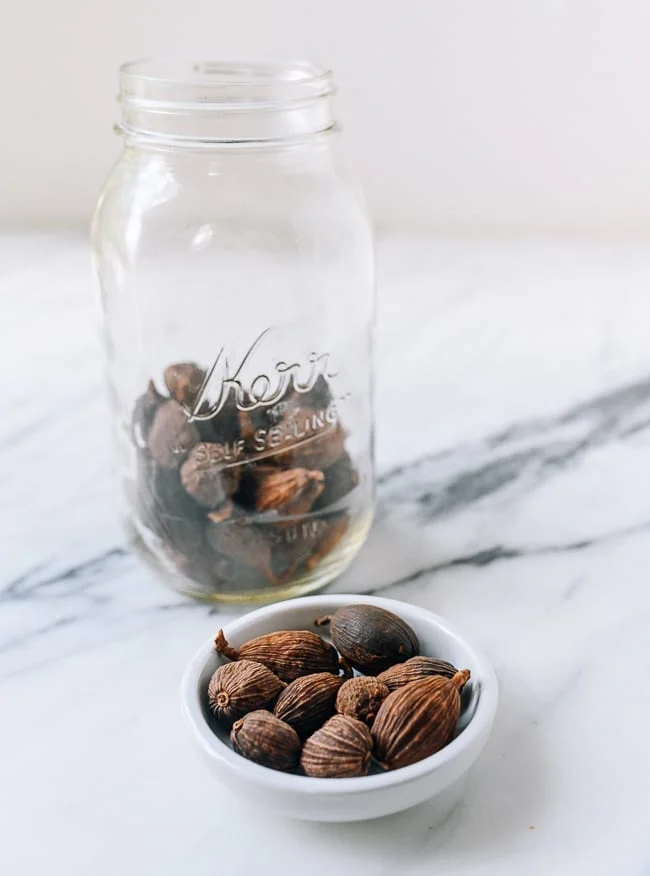
- Where to Buy: You can find Amomum tsao-ko at Asian grocery stores, usually labeled as “Tsao Ko,” “Cao Guo,” or “Grass Fruit.” Look for pods that are whole, large, and unbroken.
- Storage: Store in an airtight container in a cool, dark cupboard. Whole pods will retain their flavor for 2–3 years. Avoid ground powder if possible, as the volatile oils dissipate rapidly, leaving you with flavorless dust.
Substitutions
Because of its unique smoky, camphor-like profile, there is no perfect substitute for Black Cardamom.
- Best Attempt: If you are stuck, you can try mixing a standard Green Cardamom pod (for the herbal note) with a tiny pinch of Smoked Paprika (for the smoke).
- Alternative: In a pinch, simply omitting it is better than substituting with something too different. Your Tomato Beef Stew will still be delicious, just slightly less complex.
Recommended Recipes to Practice
Ready to use your Black Cardamom? Try these recipes where Cao Guo plays a starring role:
- Braised Beef Brisket with Potatoes – A classic comfort dish where the spice cuts through the rich brisket fat.
- Sichuan Spicy Shrimp – The earthy tone balances the sharp heat of the chilies.
- Beef Curry Rice – Even in Chinese-style curries, a pod adds wonderful depth.
Authoritative References
For further reading on the botanical and chemical properties of this spice, please consult the following trusted sources:
- ScienceDirect: Research on the Volatile compounds and antioxidant activities of Black Cardamom.
- The Spruce Eats: A detailed guide on the differences between Black and Green Cardamom.






Leave a Reply