Choosing the right oil is the single most important technical decision you make before your wok even touches the heat. In a high-heat environment, the wrong fat doesn’t just ruin the flavor—it physically breaks down, creating acrid smoke and sticky polymers that ruin your seasoning.
This guide breaks down the science of smoke points, fatty acid stability, and the specific oils that professional chefs use to achieve wok hei without compromising safety or taste.

Smoke Point and Stir-Fry Stability
In Chinese cooking, oil temperature is generally categorized into three stages: “Cool Oil” (100°C to 120°C), “Warm Oil” (140°C to 160°C), and “Hot Oil” (180°C to 200°C+). To achieve a successful stir-fry, it’s essential to use an oil that remains stable at temperatures of 200°C (400°F) or higher.
Why the Smoke Point Matters
When an oil reaches its smoke point, the triglycerides break down into glycerol and free fatty acids. The glycerol then further breaks down into acrolein, the chemical responsible for that sharp, stinging sensation in your eyes and the bitter “burnt” aftertaste in your food.
For high-heat techniques, you must prioritize refined oils. Refining removes the proteins, enzymes, and trace minerals that would otherwise burn at lower temperatures. This is why unrefined, “extra virgin” oils are generally unsuitable for the wok.
Best Oils for Stir-Frying: Performance Comparison
The following table compares the most common oils used in professional and home Chinese kitchens based on their thermal stability and flavor profile.
| Oil Type | Smoke Point | Flavor Profile | Best Use Case |
| Peanut Oil | 232°C (450°F) | Nutty, Rich | The gold standard for traditional stir-fry. |
| Grapeseed Oil | 216°C (421°F) | Neutral | High-end stir-fries where ingredient flavor is delicate. |
| Soybean/Vegetable Oil | 232°C (450°F) | Neutral | Everyday cooking and high-volume frying. |
| Rice Bran Oil | 254°C (490°F) | Very Neutral | Ultra-high heat and searing. |
| Lard (Rendered) | 190°C (374°F) | Savory/Umami | Traditional greens and restaurant-style Chow Fun. |
| Canola Oil | 204°C (400°F) | Neutral | Budget-friendly all-purpose cooking. |
Deep Dive: Top 3 Professional Choices
1. Peanut Oil (The Traditional Choice)
Peanut oil is the backbone of Cantonese and Sichuan restaurant cooking. It offers a high smoke point and a unique ability to enhance the savory notes of aromatics like ginger and garlic. If you are learning how to stir fry properly, peanut oil provides the most authentic flavor “backbone.”
2. Soybean or “Vegetable” Oil
Most “Vegetable Oil” sold in supermarkets is 100% refined soybean oil. It is highly stable, extremely affordable, and completely neutral. This makes it perfect for dishes with complex sauces, like General Tso’s Chicken, where you don’t want the oil to compete with the sweetness or acidity of the glaze.
3. Rice Bran Oil (The High-Heat King)
With a smoke point exceeding 250°C, rice bran oil is the safest choice for those attempting to control wok hei at home. It contains high levels of vitamin E and oryzanol, which help resist oxidation even when the wok is glowing red.
Oils to Avoid (And Why)
- Extra Virgin Olive Oil: With a smoke point around 160°C to 190°C and a strong floral profile, it will burn and turn bitter almost instantly in a hot wok.
- Butter: The milk solids burn at 150°C (300°F), creating black specks and a scorched flavor.
- Toasted Sesame Oil: This is a seasoning, not a cooking fat. Always add Sesame Oil at the very end of the cooking process, off the heat, to preserve its volatile aroma.
- Unrefined Flax or Walnut Oils: These are highly polyunsaturated and oxidize rapidly when exposed to heat, creating potentially harmful free radicals.
Professional Tips for Oil Management
The “Long Yao” Technique (The Cold Oil Start)
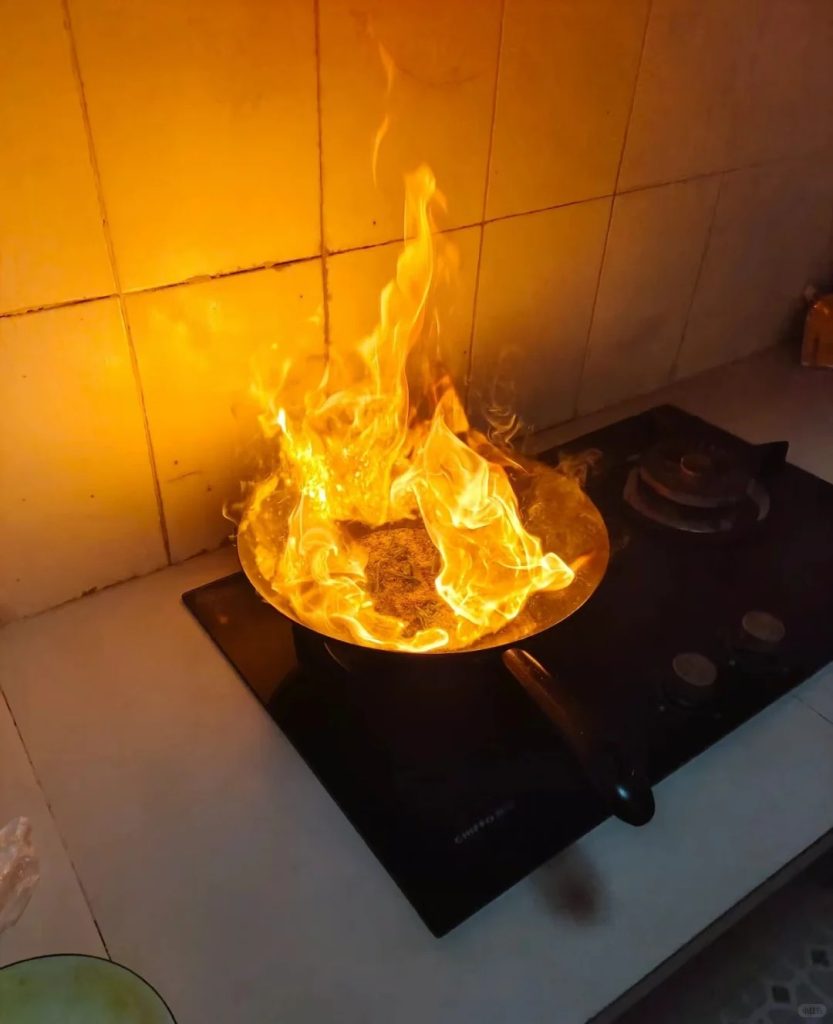
In a professional kitchen, we use a technique called Long Yao (润锅).
- Heat the wok until it begins to smoke slightly (this expands the “pores” of the carbon steel).
- Add a generous amount of room-temperature oil.
- Swirl it to coat the entire surface, then pour the excess into a heat-proof container.
- Add fresh oil and immediately begin stir-frying.This creates a non-stick “patina” and prevents your proteins from sticking, a common reason why your stir-fry turns watery.
Using Animal Fats for Depth
While refined vegetable oils are great for heat, they lack “soul.” Many traditional Sichuan recipes, like Authentic Mapo Tofu, benefit from a blend of vegetable oil and a small amount of rendered lard. The animal fat provides a creamy mouthfeel that vegetable oils cannot replicate.
Common Mistakes
- Crowding the Pan: Even with the best oil, if you add too many ingredients at once, the temperature drops below the point of searing. The food begins to steam in its own juices, and the oil becomes an emulsified mess rather than a frying medium.
- Using Old Oil: Oil that has been heated multiple times has a significantly lower smoke point than fresh oil. If your oil looks dark or feels viscous, discard it.
- Mistaking Steam for Smoke: If you add wet vegetables to a wok, the resulting “cloud” is steam. True oil smoke is thinner, blue-tinted, and has a sharp, acrid smell. If you smell the latter, remove the wok from the heat immediately.
FAQ
Can I use Avocado Oil for stir-frying?
Yes. Refined avocado oil has one of the highest smoke points (270°C/520°F). However, it is significantly more expensive than peanut or rice bran oil and offers no specific flavor advantage in Chinese cuisine.
Is Coconut Oil good for woks?
Refined coconut oil is acceptable, but it has a lower smoke point (204°C/400°F) than peanut oil. Virgin coconut oil should be avoided as the coconut flavor will dominate the dish.
How much oil should I actually use?
For a standard 14-inch wok, 2 to 3 tablespoons is usually sufficient for a single dish. You need enough to coat the ingredients instantly, but not so much that the food becomes greasy.


Leave a Reply