There are breakfasts that fill you up, and there are breakfasts that wake you up. In the Hakka towns of Guangdong, that second kind is ba dao tang (八刀汤) — a bowl of pork offal soup so quick it is on the table before the rice porridge at the next stall has even started bubbling. The name means “eight cuts”: eight parts of the pig — shoulder meat, heart, liver, kidney, small intestine, lung, tongue and the membrane that separates them — sliced thin, seasoned with white pepper, dropped into boiling water, and poached for ten minutes until tender. What comes out is a broth so clean and savory that “fresh” is the only word the original cook needs.
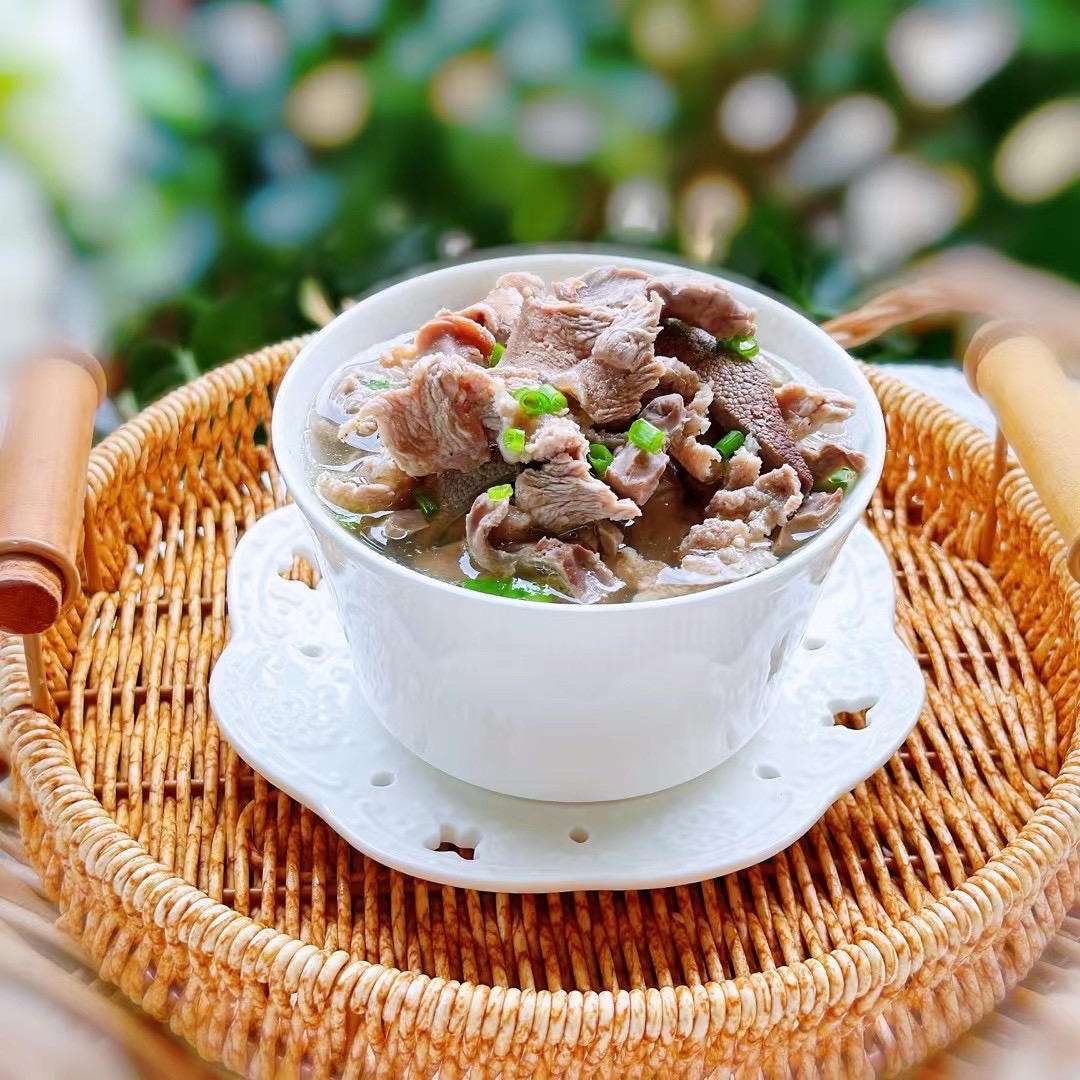
If offal sounds intimidating, I understand — it took me years in restaurant kitchens to appreciate it. But this is the dish that converts people, because the technique does everything right: cold offal, sliced thin, seasoned with salt, white pepper and peanut oil, then poached briefly so each piece stays tender instead of rubbery. The white pepper is non-negotiable — the recipe literally calls it the soul of the soup. Serve it with a dipping sauce of shallot, cilantro, soy and peanut oil, and a side of rice noodles or rice, and you have a breakfast that costs almost nothing and tastes like a decade of practice.
What Is Ba Dao Tang (八刀汤)?
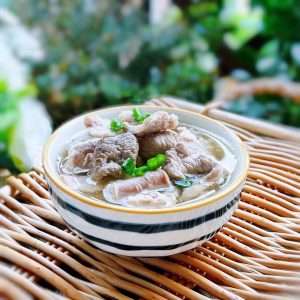
Ba dao tang is a Hakka specialty from Heyuan, Guangdong: a quick-poached soup of eight cuts of pork — shoulder meat, heart, liver, kidney, small intestine (fen chang), lung, tongue and the thin connective membrane (ge shan yi) — sliced, seasoned and cooked in boiling water for about ten minutes. The seasoning is deliberately minimal: white pepper, salt, peanut oil, fish sauce and a little chicken bouillon. The point is freshness; the offal is the flavor, and the white pepper is its only necessary partner. It is a breakfast-bowl classic across the Pearl River Delta, usually eaten with rice noodles, flat rice noodles or plain rice and a dipping sauce of shallot, cilantro, soy sauce and peanut oil.
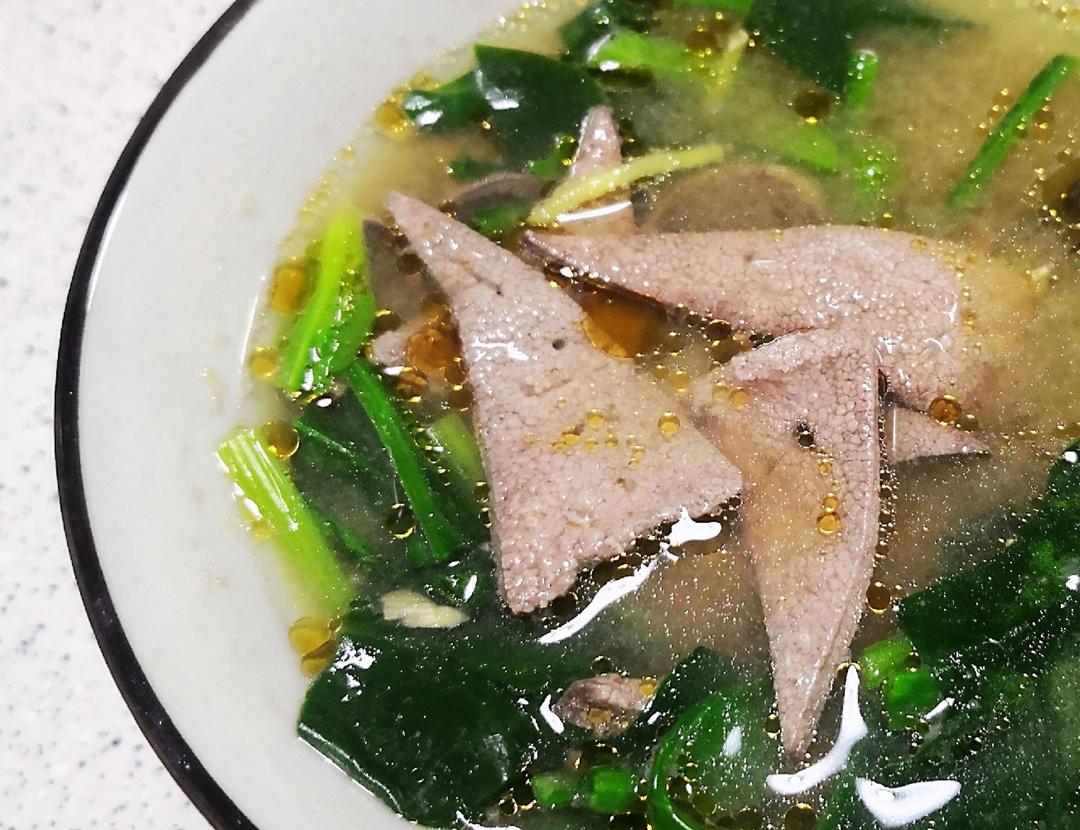
If you are new to pork offal, my tender pork liver soup is the gentlest possible introduction — the same quick-poach principle applied to a single, forgiving ingredient.
1Tender Pork Liver Soup with Spinach (Zhu Gan Tang)A comforting Chinese home soup of paper-thin, velveted pork liver and fresh spinach in a clean gingery broth. Thin slicing, a cold-water soak, and blanching are the three keys that make the liver silky instead of rubbery.Check out this recipe
Why This Recipe Works
- Quick poaching keeps offal tender: ten minutes at a bare simmer — never a boil — is enough to cook each cut through while keeping liver and kidney silky instead of rubbery.
- Thin slicing is the whole technique: every piece is sliced thin before it hits the water, so all eight cuts finish cooking at the same moment.
- White pepper is the soul: its warm, floral heat cuts the richness of the offal and defines the broth — the recipe marks it as essential.
- The pre-seasoning does the work: salt, pepper and peanut oil are rubbed into the slices before poaching, so the seasoning penetrates instead of floating on the surface.
- The dipping sauce makes it a meal: shallot, cilantro, soy and peanut oil give every bite of offal a bright, savory dunk — the classic Hakka finishing move.
Equipment Needed
- A large pot (for boiling water and poaching)
- A sharp knife and cutting board (thin slicing matters)
- A mixing bowl for seasoning
- A ladle and a slotted spoon
- A small bowl for the dipping sauce
Ingredients
- 150 g (5 oz) pork shoulder or lean pork, sliced thin
- 80 g (3 oz) pork heart, sliced thin
- 80 g (3 oz) pork liver, sliced thin
- 80 g (3 oz) pork kidney, sliced thin
- 80 g (3 oz) pork small intestine (fen chang), cleaned and sliced
- 80 g (3 oz) pork lung, sliced thin
- 80 g (3 oz) pork tongue, sliced thin
- 80 g (3 oz) pork membrane (ge shan yi) or extra shoulder meat, sliced thin
- 1 tbsp white pepper (essential)
- 2 tbsp (30 ml) fish sauce
- 1/2 tbsp chicken bouillon powder
- 1 tbsp salt, or to taste
- 2 shallots (red onion), for the dip and garnish
- 3 tbsp (45 ml) peanut oil
- 2 tbsp (30 ml) soy sauce
- 1 sprig cilantro, chopped
- 1 handful scallions, chopped
- Rice noodles, flat rice noodles or rice, to serve
Ingredient Notes
Buying the eight cuts is easier than it sounds: any butcher or Asian market sells pork heart, liver, kidney, tongue and small intestine. Ask for the “eight-cut” mix at a Hakka-area butcher and they will know exactly what you mean; otherwise, use the list above and scale each cut to what you like — the original recipe says to buy according to your own preference. Small intestine (猪粉肠) needs a thorough rinse; some cooks blanch it briefly first. White pepper is not optional here — the recipe is explicit that the soup’s soul is the white pepper. Peanut oil is traditional; any neutral oil works. Ge shan yi (隔山衣) is the thin membrane between the stomach and other organs — if your butcher cannot source it, more shoulder meat is the standard substitute.
Prep & Mise en Place
Everything about this soup happens fast, so prep the eight cuts before the water boils. Wash each piece of offal well and slice it thin — the thinner, the more tender the final result. Put all the slices in a bowl with the white pepper, 1 tbsp salt and 2 tbsp peanut oil, and mix well so every piece is seasoned. Prepare the dip while the water heats: finely chop the shallot and cilantro, and stir in the soy sauce and remaining peanut oil. Have the rice noodles or rice ready, because once the offal hits the water, dinner (or breakfast) is ten minutes away.
Cooking Process
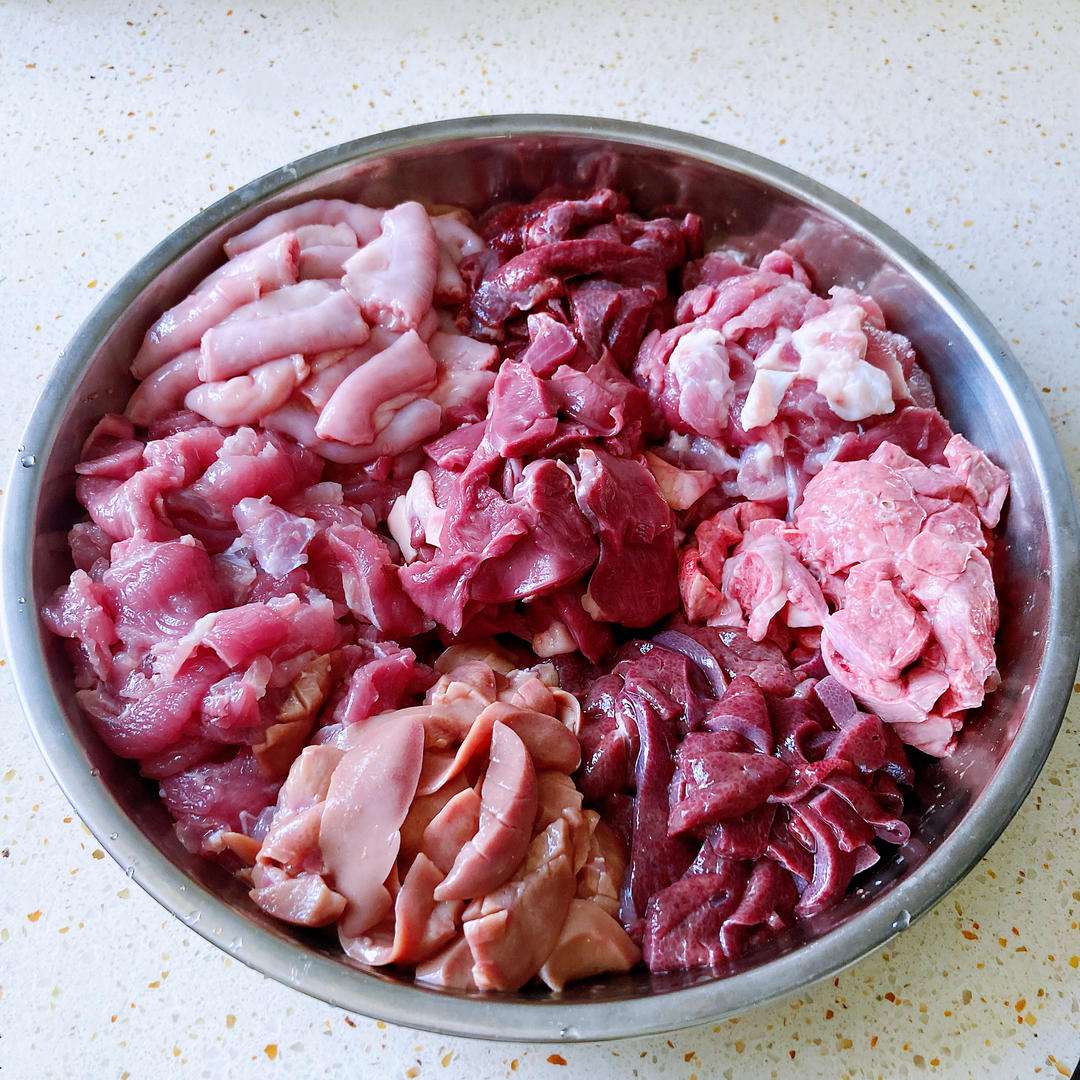
Step 1 — Slice the Eight Cuts
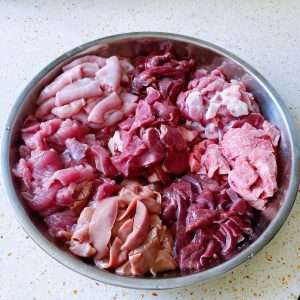
Wash all the pork offal well and slice each cut thinly — the shoulder meat, heart, liver, kidney, small intestine, lung, tongue and membrane.
Step 2 — Season the Slices
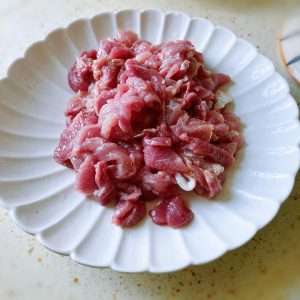
In a bowl, toss the sliced offal with the white pepper, salt and peanut oil until every piece is coated. This pre-seasoning is what flavors the meat from within.
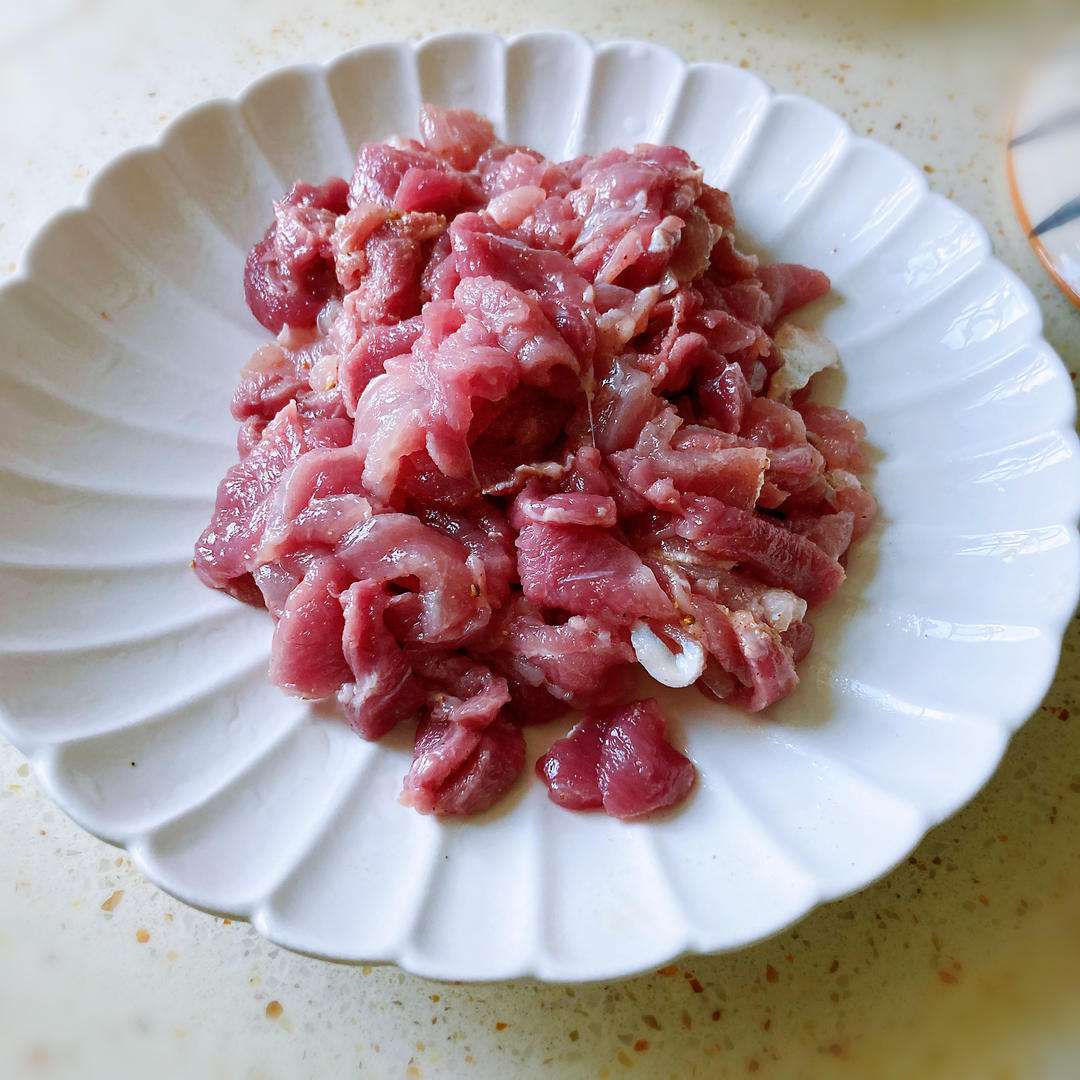
Pre-seasoning works through the same principle as a quick marinade: salt draws a little moisture and seasoning into the surface of each slice, and the oil helps the heat transfer gently. Because the pieces are thin, even ten minutes in the bowl seasons them all the way through.
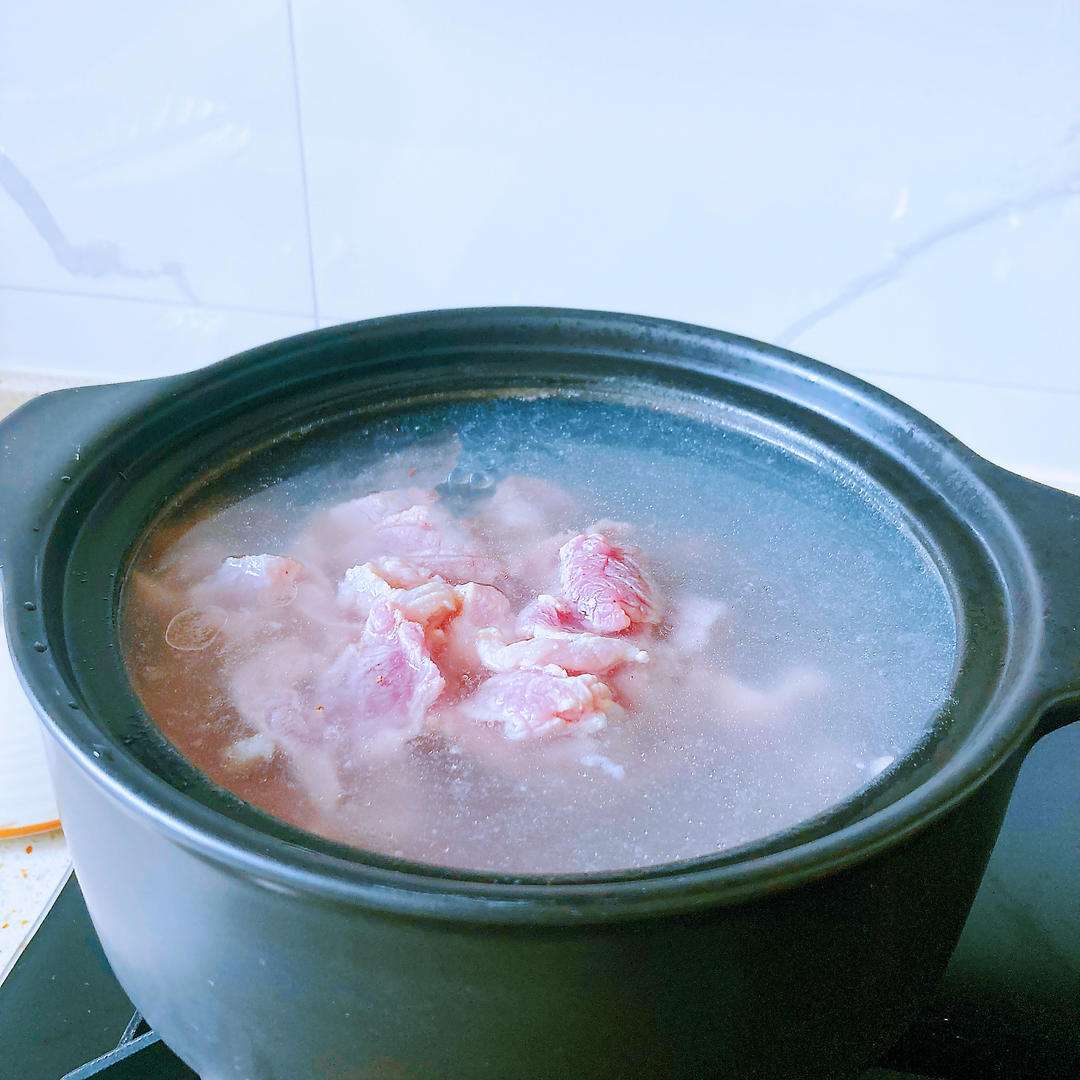
Step 3 — Drop into Boiling Water
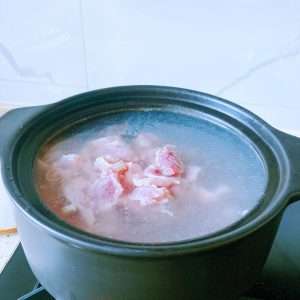
Bring a pot of water to a rolling boil. Add the seasoned offal, gently separating the slices with a spoon — but do not stir or agitate them, or the texture suffers.
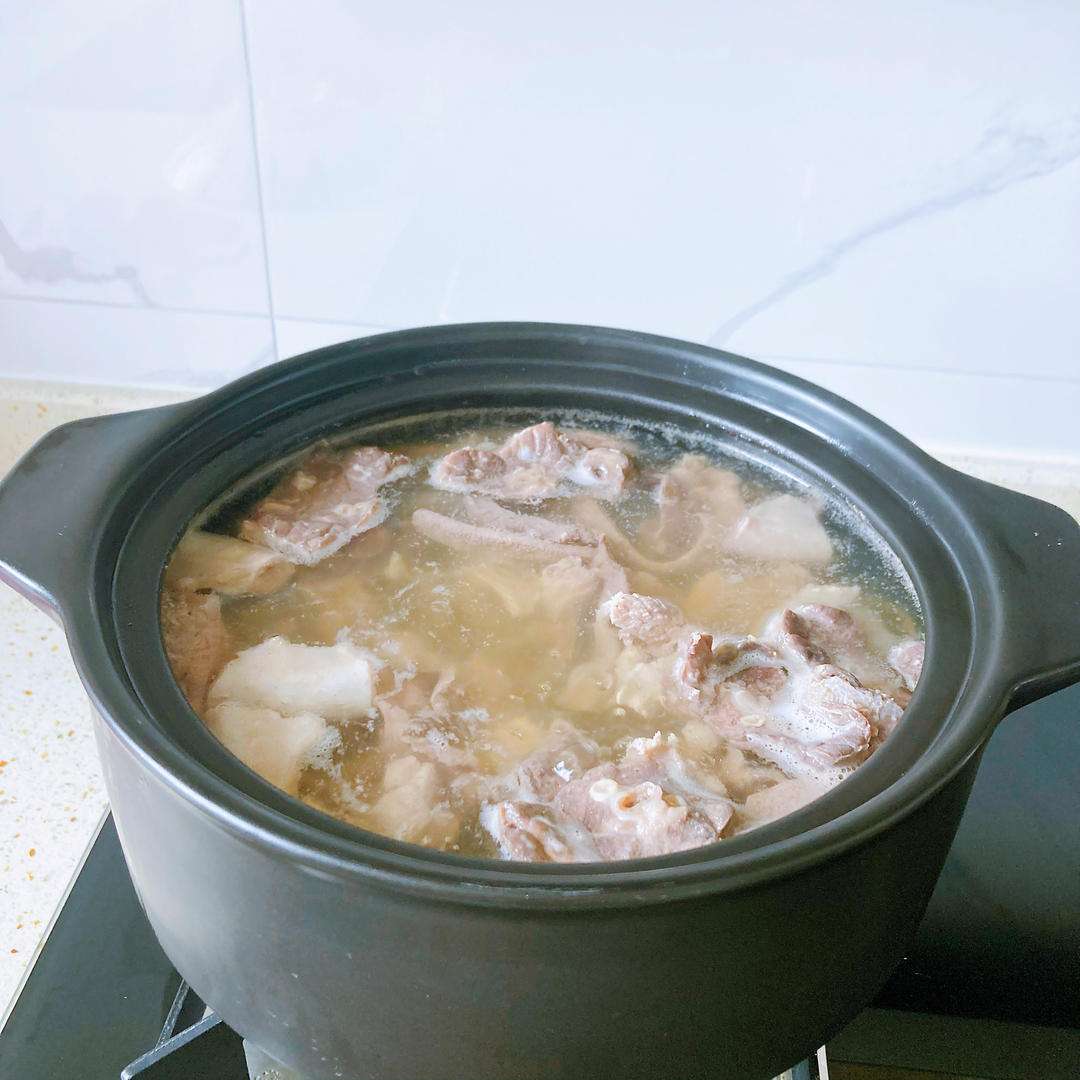
Step 4 — Skim and Poach for 10 Minutes
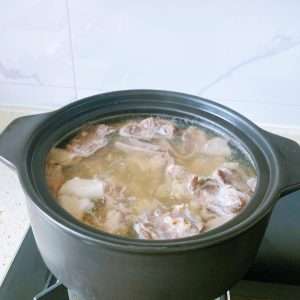
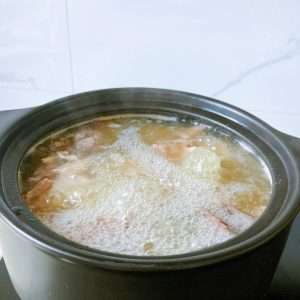
When the soup returns to a boil, skim off any foam, cover the pot, and poach for 10 minutes over a gentle simmer.
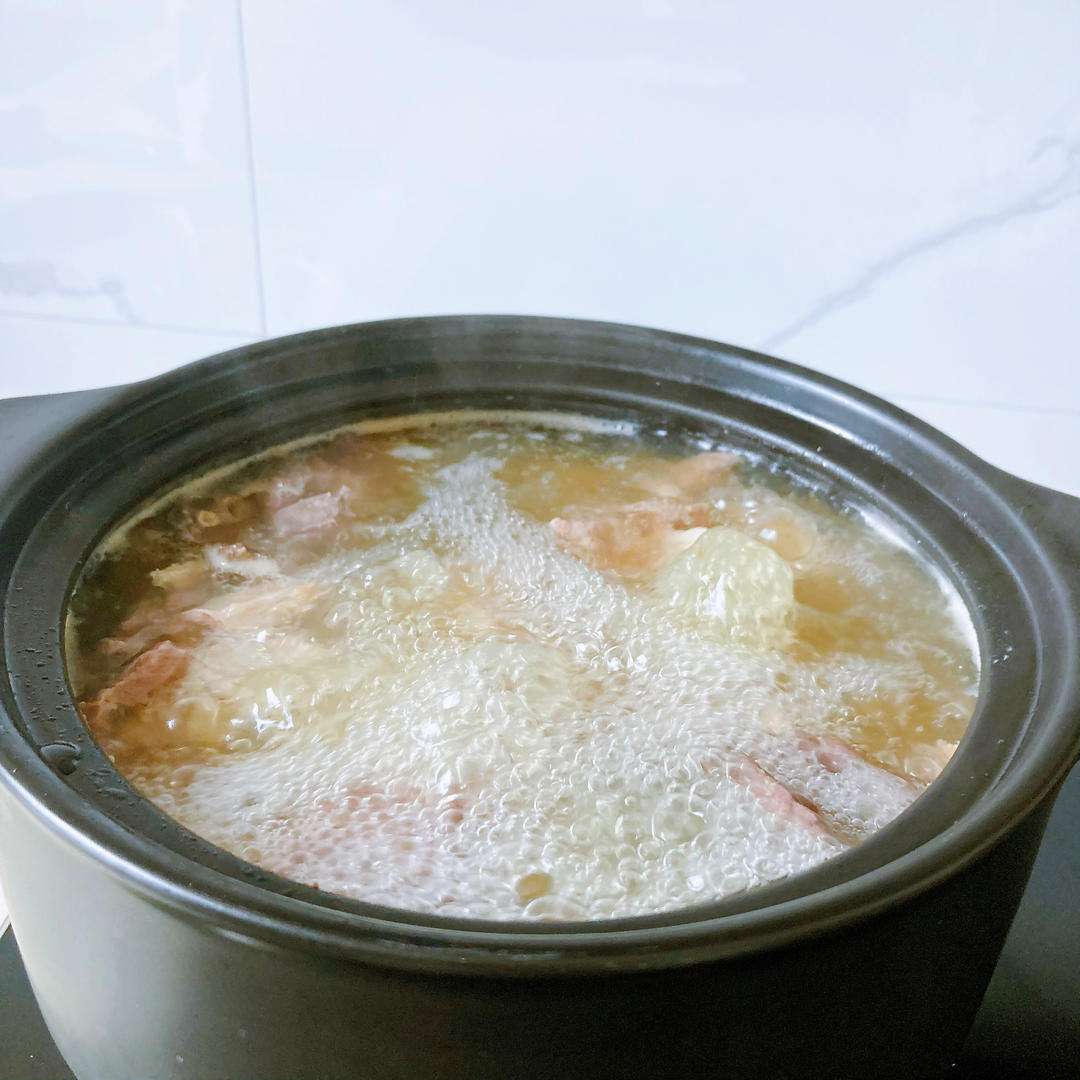
Step 5 — Season the Broth
Stir in the fish sauce, peanut oil, white pepper and chicken bouillon. Taste and adjust — the white pepper is the soul of the soup, so do not hold back.
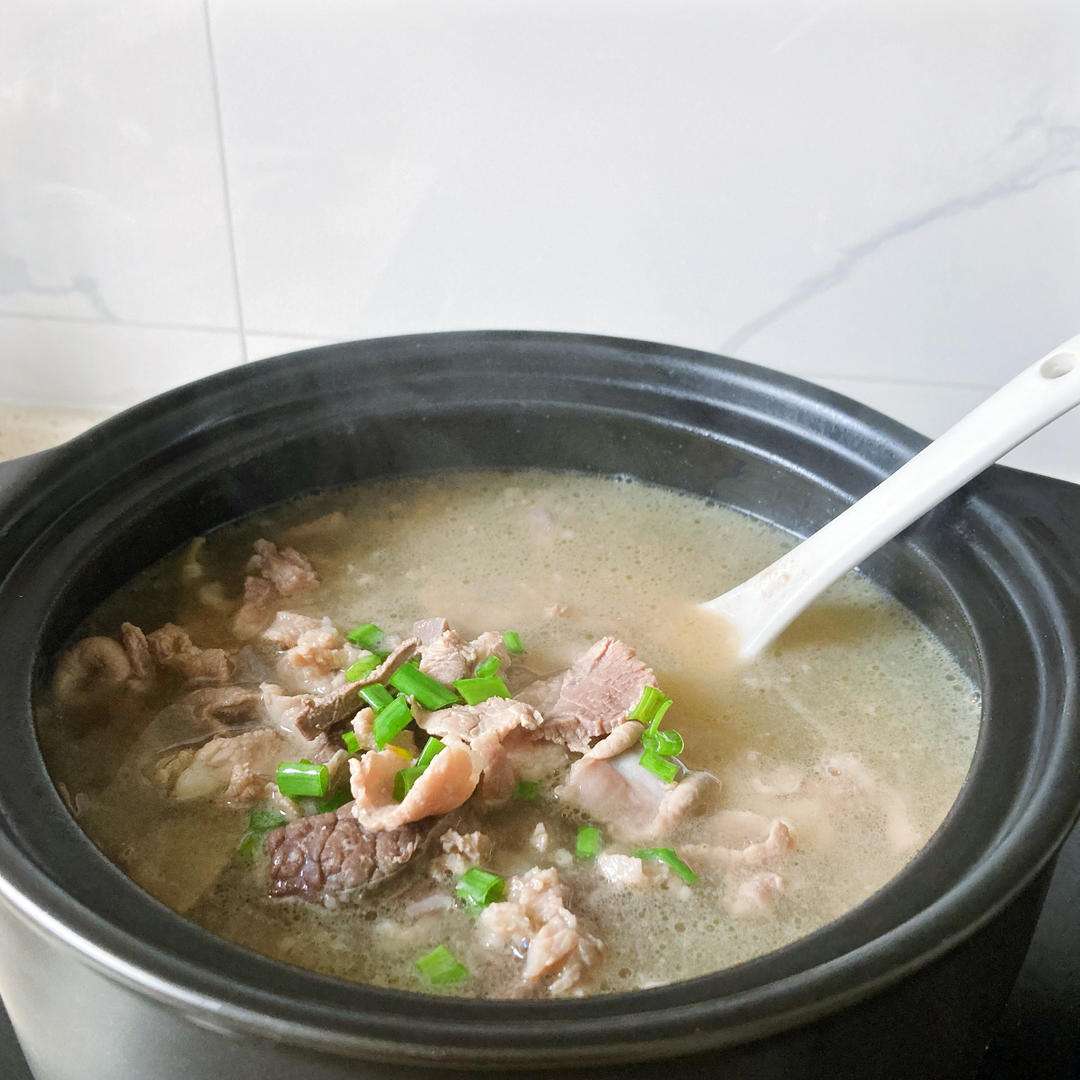
Step 6 — Finish with Scallions
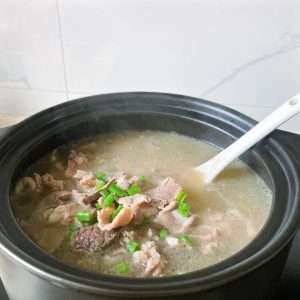
Ladle the soup into bowls and scatter the chopped scallions over the top before serving.
Step 7 — Make the Dipping Sauce
In a small bowl, combine the chopped shallot and cilantro with the soy sauce and a little peanut oil. This is the classic dunk for the poached offal.
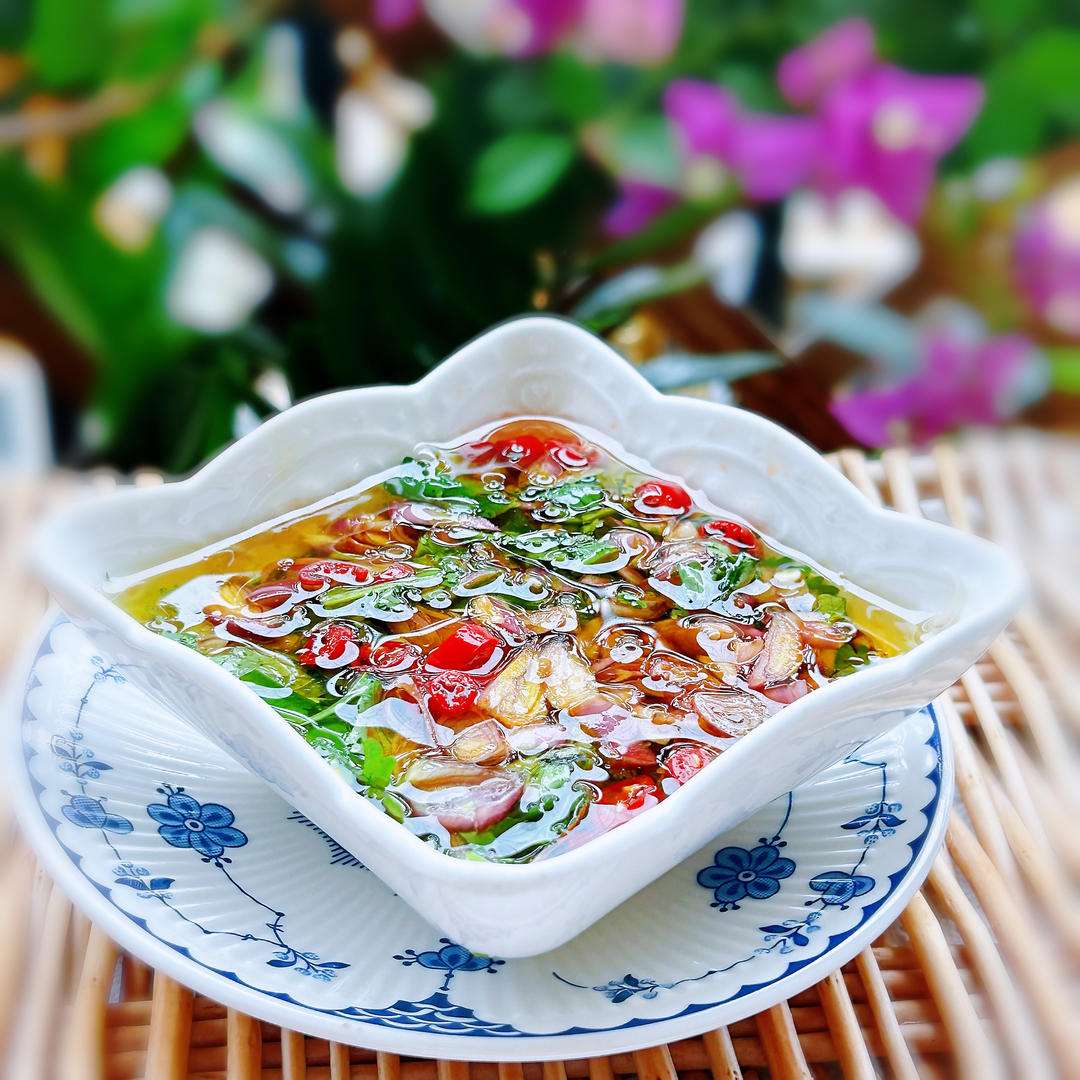
Step 8 — Serve with Noodles or Rice
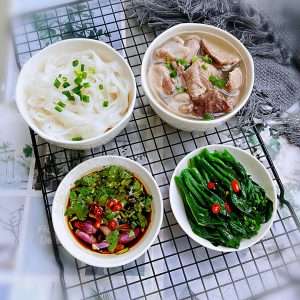
Serve the soup with rice noodles, flat rice noodles or plain rice — the original says any of the three works, and one word describes the bowl: fresh (鲜).
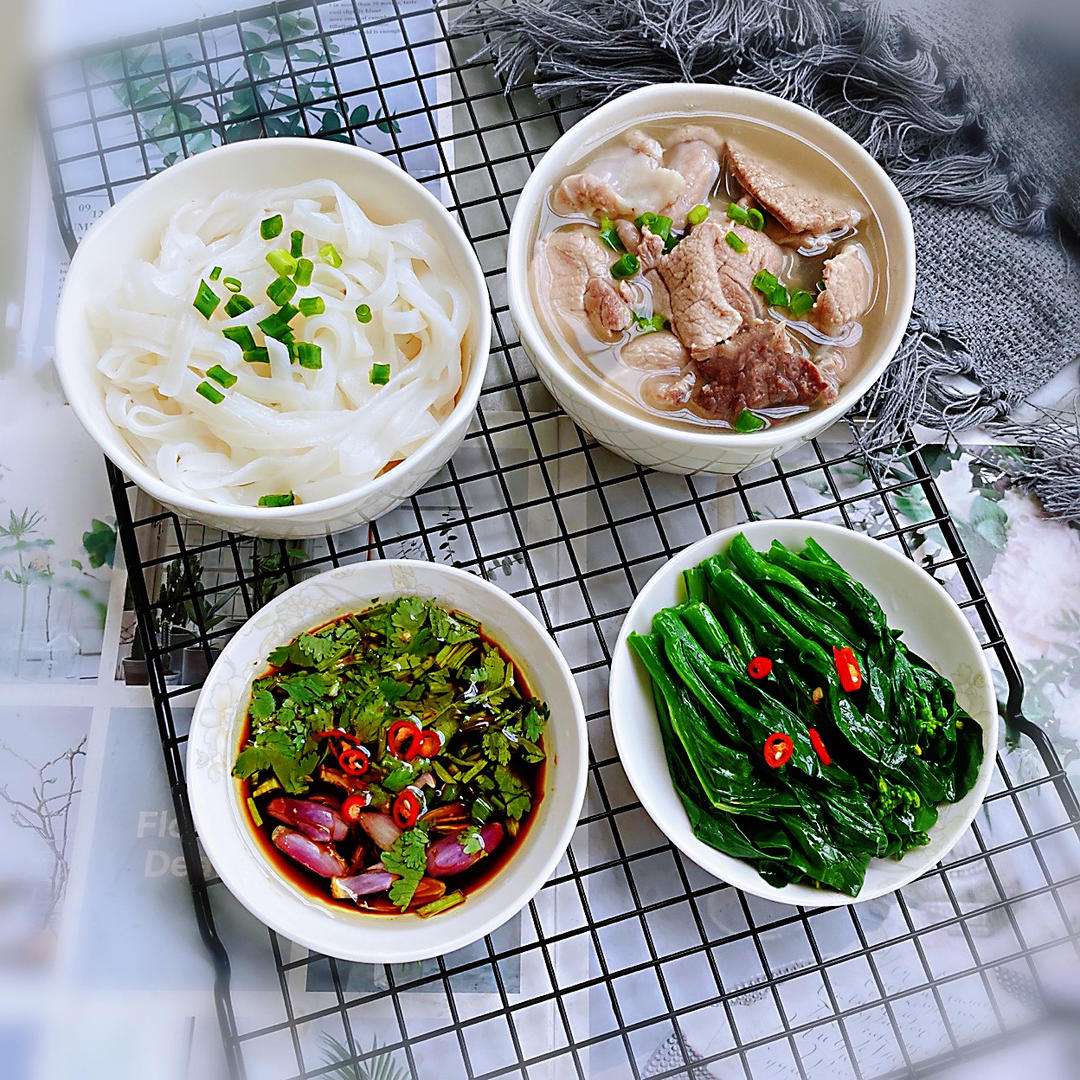
Step 9 — Enjoy a Morning Bowl
Dip each piece of offal into the shallot-cilantro sauce and eat with the noodles. A hot bowl of ba dao tang is the definition of a good morning.
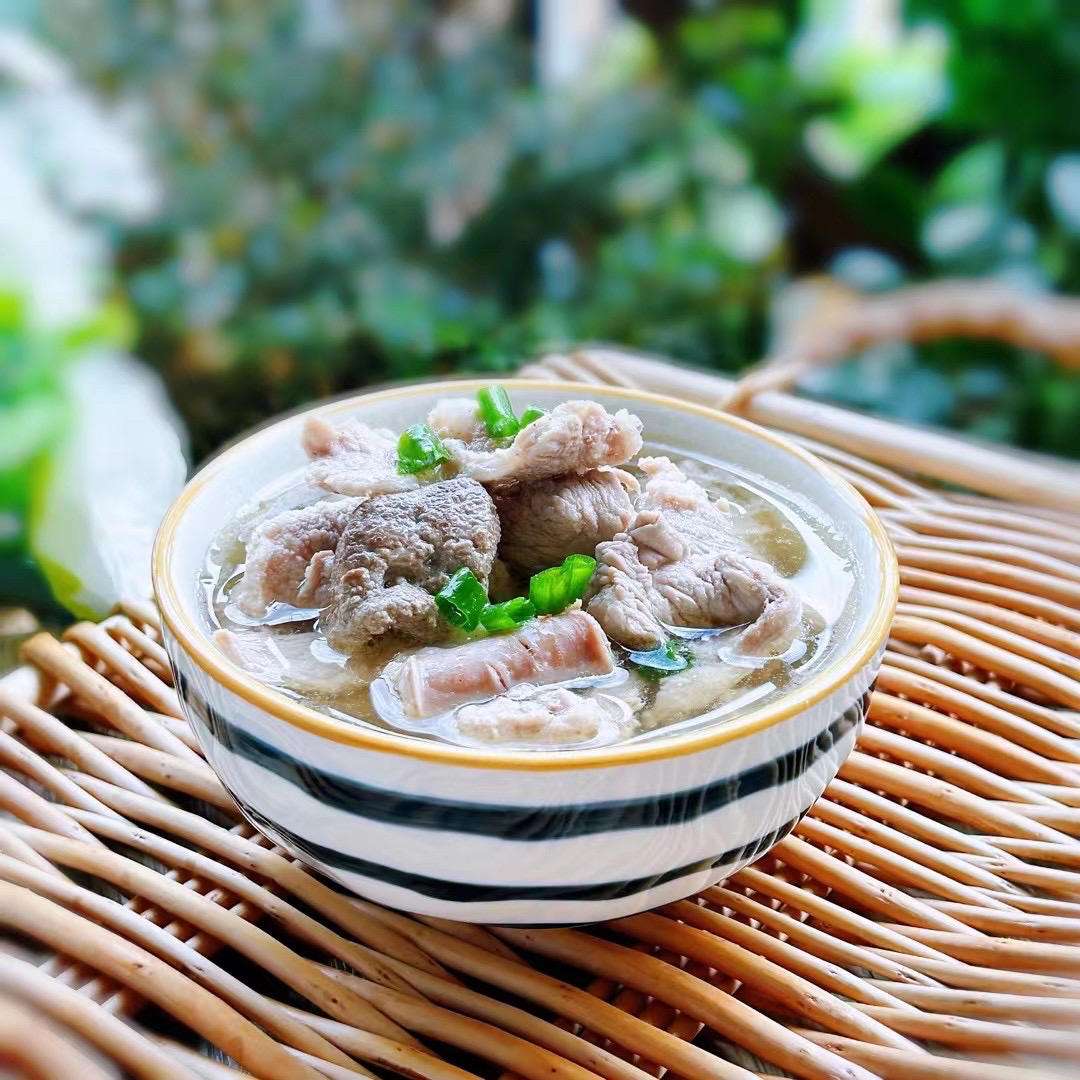
Ten minutes at a gentle simmer is the precise window for pork offal: long enough to cook the meat through (pork reaches safe temperatures quickly when sliced thin) but short enough that the liver stays silky and the kidney never turns rubbery. Boiling hard would toughen every cut at once — the covered, gentle poach is the whole trick.
Common Mistakes When Making Ba Dao Tang
1. The offal turns rubbery. Cause: boiling hard instead of simmering, or slicing too thick. Fix: slice everything thin and keep the pot at a gentle simmer for exactly 10 minutes.
2. The broth is bland. Cause: skimping on white pepper, or under-salting. Fix: white pepper is the soul of the dish — add the full tablespoon, taste, and adjust the salt.
3. The soup is cloudy with foam. Cause: skipping the skim, or stirring the pot while it boils. Fix: let it come back to a boil undisturbed, skim the foam once, then cover.
4. The liver tastes metallic. Cause: old liver, or overcooking. Fix: buy fresh liver the same day, slice it thin, and add it in the last few minutes if you want it extra delicate.
5. The bowl tastes greasy. Cause: too much peanut oil in the seasoning. Fix: keep the oil at 2–3 tablespoons total — enough to coat, not to float.
Variations
The eight-cut lineup flexes with what your butcher has. Swap the lung for more tongue, or add a few slices of pork blood cake for extra texture. Some cooks add a slice of ginger to the poaching water, or a splash of Shaoxing wine in the seasoning bowl. For a spicier version, stir a spoonful of chili oil into the broth; for a deeper broth, replace half the water with pork stock — the same trick my poached pork soup uses. And if you want the offal’s flavors without the soup, my stir-fried pork liver applies the same fresh-and-quick philosophy to a wok.
Frequently Asked Questions
Where does the name “eight cuts” come from? Ba dao (八刀) means “eight cuts” — the eight parts of the pig used in the soup: shoulder meat, heart, liver, kidney, small intestine, lung, tongue and the connective membrane.
Can I make this with just a few of the cuts? Yes — the original says to buy according to your own preference. Even a simple pork liver and shoulder version makes a wonderful soup; scale the cooking time to the thickest slice.
Is the white pepper really essential? Yes — the recipe marks it “must-have,” and it is the flavor that makes ba dao tang what it is. Black pepper is not a substitute; it has a completely different heat.
Can I prepare the offal ahead? Slice and season it up to a few hours ahead and keep it chilled, but poach it fresh — the ten-minute cook is what keeps everything tender.
What should I serve with it? Rice noodles, flat rice noodles or plain rice — all three are traditional. The dipping sauce of shallot, cilantro, soy and peanut oil is the essential partner.
How to Serve
Serve ba dao tang hot, with rice noodles or rice and the dipping sauce on the side. It is a complete breakfast bowl on its own, but it also pairs beautifully with other pork soups: my radish pork rib soup and kelp pork rib soup are the slow-cooked, rib-based cousins, and pickled mustard green noodle soup brings the same pork-forward broth in a noodle bowl. If you are learning which bones to buy for soup, my guide to pork bones for soup is the reference I wish I had years ago, and Nanchang clay pot soup shows a completely different, custard-smooth way to start a meal.
Storage & Reheat
This soup is best eaten immediately — poached offal loses its texture when reheated. Leftovers keep refrigerated for up to 24 hours; reheat gently over low heat without boiling, and expect the liver to be firmer. Do not freeze. As with all pork, cook to a safe internal temperature (the thin slices reach it in seconds); refrigerate leftovers within 2 hours and reheat to 165°F (74°C).
Allergen Notice
This recipe contains soy (soy sauce) and gluten (soy sauce; chicken bouillon may contain wheat — check the label). It contains no eggs, nuts, dairy or shellfish. Use gluten-free tamari and a gluten-free bouillon for a gluten-free version.
Nutrition Disclaimer
Nutrition information is calculated using an ingredient database and should be considered an estimate. In cases where multiple ingredient alternatives are given, the first listed is calculated for nutrition. Garnishes and optional ingredients are not included. Nutrition information is an estimate and provided for informational purposes only.
About the Author & Recipe Development
I’m Lin, a chef who spent a decade in Chinese restaurant kitchens before writing recipes for home cooks. My first experience with offal was a sink full of pig liver at six in the morning — a chef’s rite of passage that either makes you or breaks you. What I learned then, and what this soup proves, is that offal’s bad reputation is almost entirely a cooking problem, not an ingredient problem. When I tested ba dao tang, I followed the original cook’s instructions to the letter — thin slices, pre-seasoning, ten-minute poach — and the white pepper note really did transform the bowl. The dipping sauce was the surprise winner; a piece of poached kidney dunked in shallot-cilantro-soy is the kind of bite that makes you understand why a whole town eats this for breakfast.
Authoritative References
For safe pork handling and temperatures, I follow the USDA safe minimum internal temperature chart, which recommends cooking fresh pork to 145°F (63°C) with a rest — thin-sliced offal reaches this almost instantly in boiling water. The USDA’s guidance on safe handling of organ meats covers the cuts used here.
Ba Dao Tang (Eight-Cut Pork Offal Soup): A Hakka Morning Classic

Equipment
- Large Pot
- Sharp Knife and Cutting Board
Ingredients
For the Eight Cuts
- 150 g pork shoulder or lean pork, sliced thin
- 80 g pork heart sliced thin
- 80 g pork liver sliced thin
- 80 g pork kidney sliced thin
- 80 g pork small intestine fen chang, cleaned and sliced
- 80 g pork lung sliced thin
- 80 g pork tongue sliced thin
- 80 g pork membrane (ge shan yi) or extra shoulder, sliced thin
For Seasoning and Serving
- 1 tbsp white pepper essential
- 2 tbsp fish sauce
- 1/2 tbsp chicken bouillon powder
- 1 tbsp salt or to taste
- 3 tbsp peanut oil
- 2 tbsp soy sauce
- 2 shallots for the dip and garnish
- 1 sprig cilantro chopped
- 1 handful scallions chopped
- rice noodles or rice to serve
Instructions
- Wash all the pork offal well and slice each of the eight cuts thinly.

- Toss the sliced offal with the white pepper, salt and peanut oil until every piece is coated.
- Bring a pot of water to a rolling boil. Add the seasoned offal, gently separating the slices without stirring.
- When it returns to a boil, skim the foam, cover, and poach over a gentle simmer for 10 minutes.
- Stir in the fish sauce, peanut oil, white pepper and chicken bouillon. Taste and adjust — the white pepper is essential.
- Ladle into bowls and scatter the chopped scallions over the top.
- Mix the chopped shallot and cilantro with the soy sauce and a little peanut oil for the dipping sauce.
- Serve with rice noodles, flat rice noodles or plain rice.
- Dip each piece of offal into the sauce and enjoy hot.











Leave a Reply