The Magic of Authentic Yuxiang Rousi
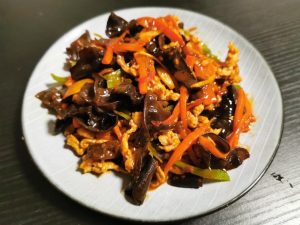
As a recipe developer and the voice behind Woks of Love, I’ve cooked countless stir-fries, but Yuxiang Rousi (Fish-Fragrant Pork) holds a special place in my heart. This is the dish that captures the absolute essence of Sichuan home cooking. It’s vibrant, incredibly aromatic, and balances complex flavors in a way that feels like a restaurant-quality meal, yet it only costs about $3 to make and comes together in just 15 minutes.

I’ve engineered this recipe to perfectly replicate the iconic taste you find in traditional Chinese restaurants. The secret lies not in complicated techniques, but in a foolproof sauce ratio that anyone can master in their home kitchen.
What Is Yuxiang Rousi?
Yuxiang Rousi translates literally to “Fish-Fragrant Shredded Pork.” Despite the name, there is absolutely no fish in this dish. The term “Yuxiang” refers to a traditional Sichuan seasoning profile originally used to cook fish, which cleverly masks gaminess while elevating savory notes. The flavor is an intricate dance of salty, sweet, sour, and spicy, driven by pickled chilies, garlic, ginger, and scallions.
If you are looking to expand your repertoire of classic Sichuan stir-fries, I highly recommend checking out our dedicated Fish-Fragrant Pork Stir-fry guide, which dives even deeper into the rich culinary history of this flavor profile.
Equipment Needed
For the best results, you need a pan that can retain high heat. I highly recommend using the Best Carbon Steel Wok for Beginners. Its ability to handle intense temperatures is crucial for getting a quick sear on the pork. You will also need a sharp chef’s knife for precise slicing and a meat thermometer if you are new to cooking pork.
Ingredients
Pork Tenderloin: 10.5 oz (300g). Tenderloin is lean and soft, making it perfect for quick, high-heat cooking.
Wood Ear Mushrooms: 15 pieces, dried. These provide a signature crunch. You can find them at any Asian grocery store.
Carrot: 1 small, shredded. Adds a subtle sweetness and vibrant color.
Green Pepper: 1 to 2 small peppers, shredded. Mild peppers work best for texture without overpowering the dish with raw heat.
Aromatics: 1 green onion, a 1-inch piece of ginger, and 2 cloves of garlic, all finely julienned or minced.
Pixian Doubanjiang: 1 tablespoon. This fermented chili bean paste is the soul of Sichuan cooking. Learn more about choosing the right Doubanjiang here.

Cooking Oil: 2 tablespoons. Use a neutral oil with a high smoke point. Check out our guide on the Best Oil for Stir Frying for specific recommendations.
The Golden Yuxiang Sauce Ratio (1:2:3:3:2:4):
Salt: 1 teaspoon (optional, adjust to taste).
Light Soy Sauce: 2 tablespoons. Essential for umami. Read our Light Soy Sauce deep dive.
Chinese Black Vinegar: 3 tablespoons. Provides a deep, malty acidity.
Chinese Black Vinegar is irreplaceable here.Sugar: 3 tablespoons. White Sugar balances the harshness of the vinegar.
Cornstarch: 2 tablespoons.
Water: 4 tablespoons.
Prep & Mise en Place
The French call it mise en place; in Chinese cooking, it’s simply survival. High-heat stir-frying moves rapidly, so you must have everything chopped and measured before the oil hits the pan.
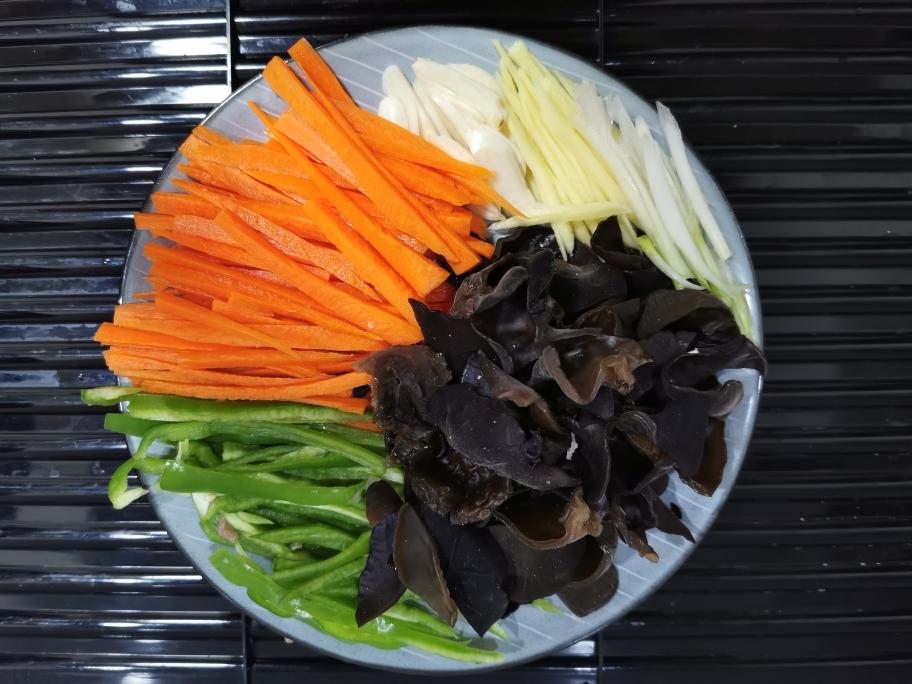
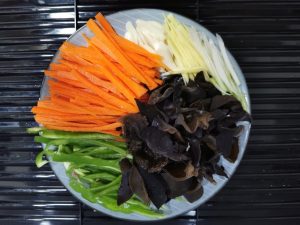
Start by hydrating the wood ear mushrooms in warm water for 20 minutes, then slice them into thin strips. Shred your carrots and green peppers to a uniform thickness, matching the size of the pork. Uniformity ensures everything cooks at the exact same rate. If you struggle with breaking down meat, our tutorial on How to Slice Meat for Stir Fry is a lifesaver.
Cooking Process
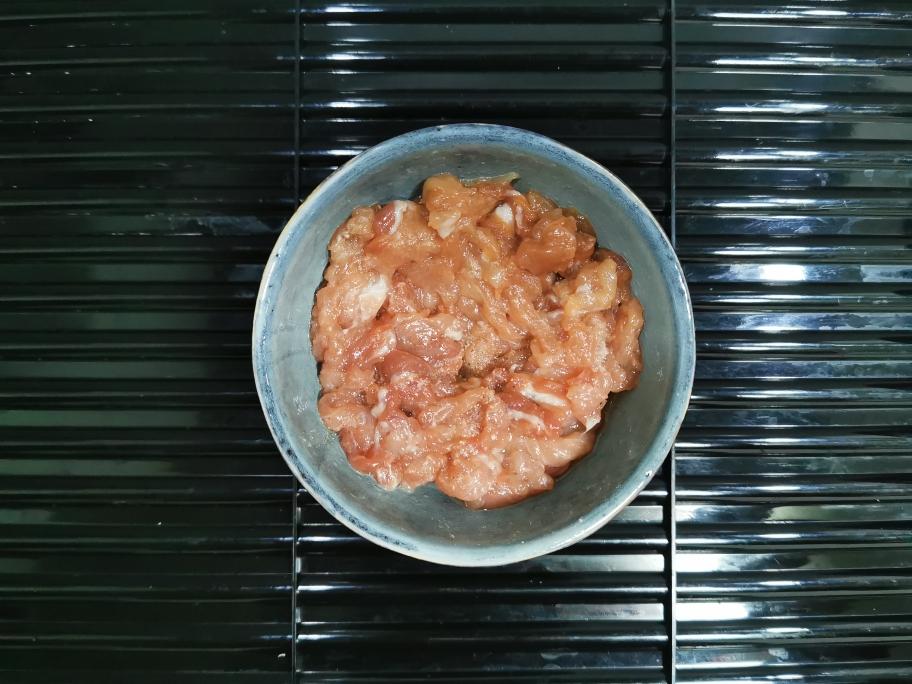
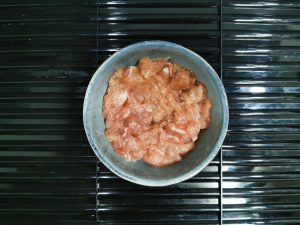
First, you need to marinate the pork. Slice the pork tenderloin into thin, matchstick-sized strips. In a bowl, combine the pork with a splash of Shaoxing cooking wine, a pinch of salt, a dash of white pepper, 1 tablespoon of cornstarch, and 1 teaspoon of vegetable oil. Massage the mixture into the meat until the liquid is absorbed, and let it rest for 10 minutes. This velvetting process protects the meat fibers from seizing up under high heat.
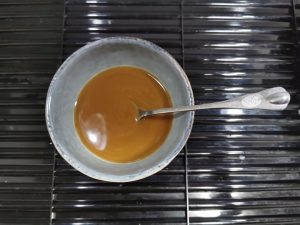
Next, prepare the all-important Yuxiang sauce. In a small bowl, whisk together the salt, light soy sauce, Chinese black vinegar, sugar, cornstarch, and water. Stir thoroughly until the sugar dissolves. Remember this golden ratio: 1 part salt, 2 parts soy sauce, 3 parts vinegar, 3 parts sugar, 2 parts starch, and 4 parts water. This is the secret to a perfectly balanced fish-fragrant dish.
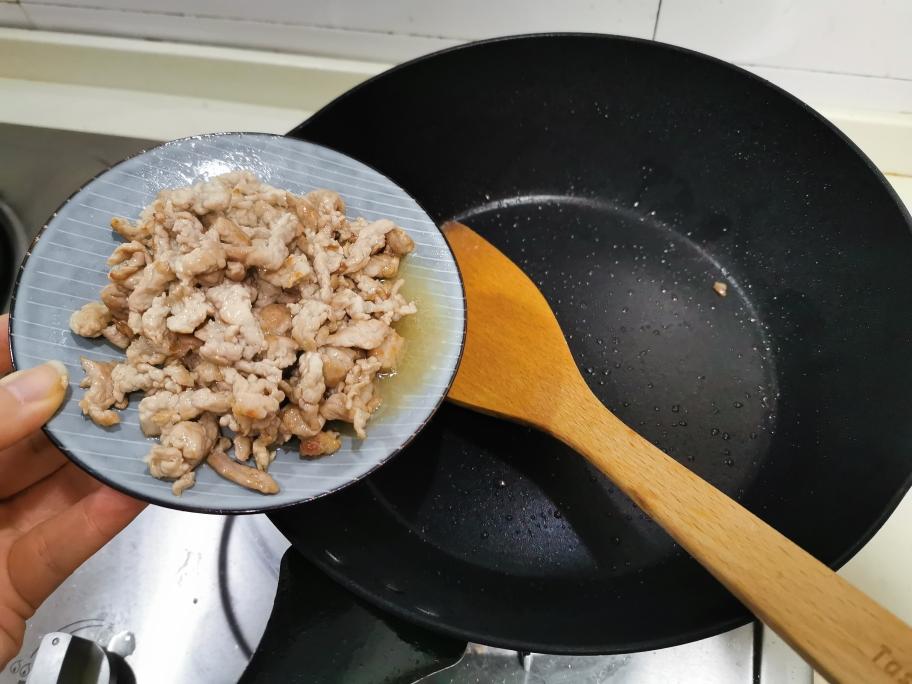
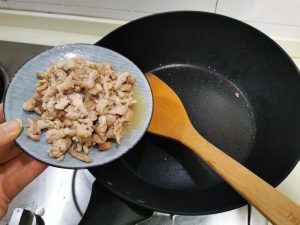
Place your wok over medium-high heat and add 1 tablespoon of oil. Once the oil shimmers (around 375°F / 190°C), add the marinated pork strips. Stir-fry rapidly for about 2 to 3 minutes just until the meat changes color and is about 80% cooked through. Immediately remove the pork from the wok and set it aside.
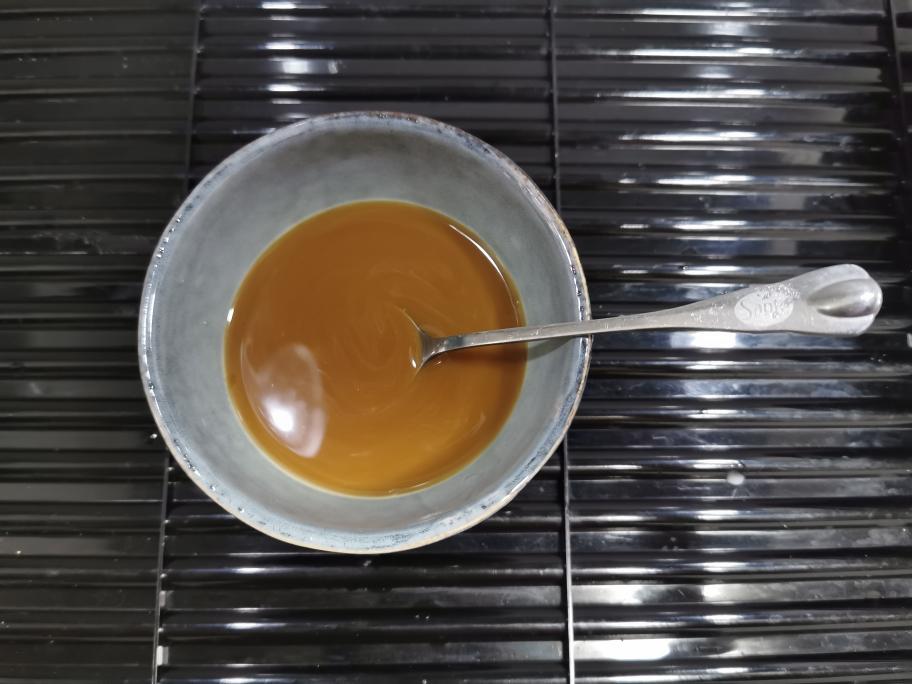
“Coating the meat in starch and oil before hitting the hot pan triggers a localized gelatinization barrier. This locks in the meat’s natural moisture while allowing the exterior to undergo the Maillard reaction, resulting in incredibly tender pork with a savory crust.”
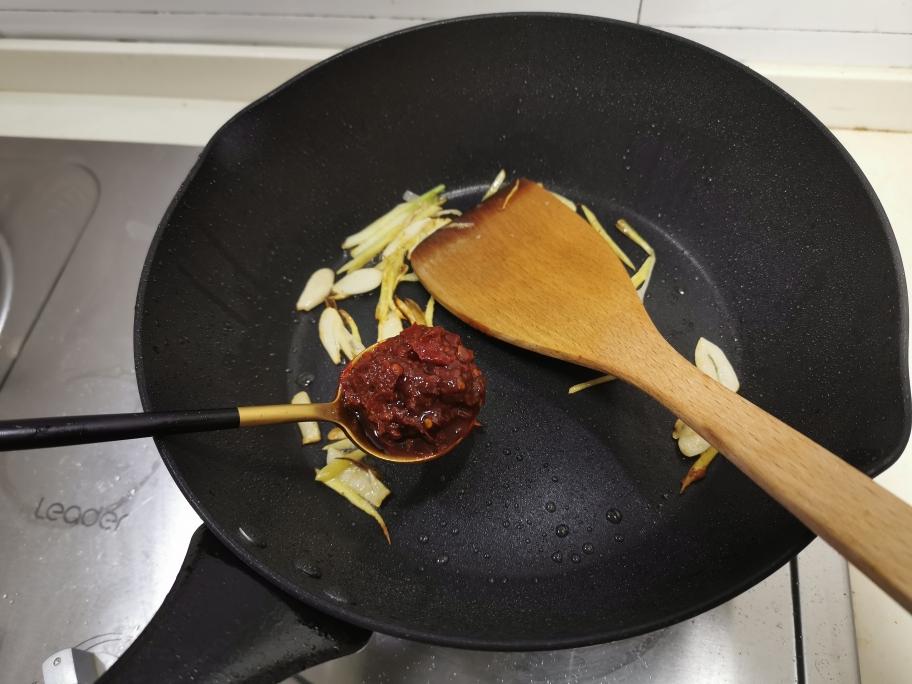
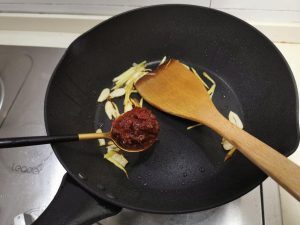
Wipe the wok clean if necessary, add another tablespoon of oil, and keep the heat at medium. Add the julienned ginger, garlic, and white parts of the green onion. Sizzle for 15 seconds until aromatic, then add the 1 tablespoon of Pixian Doubanjiang. Stir-fry for about 30 seconds until the paste releases its fragrant, bright red oil into the pan.
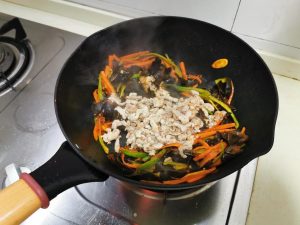
Turn the heat back up to high. Toss in the shredded carrots, wood ear mushrooms, and green peppers. Stir-fry aggressively for 2 minutes until the vegetables are about 70% cooked—they should still have a vibrant color and a crisp snap.
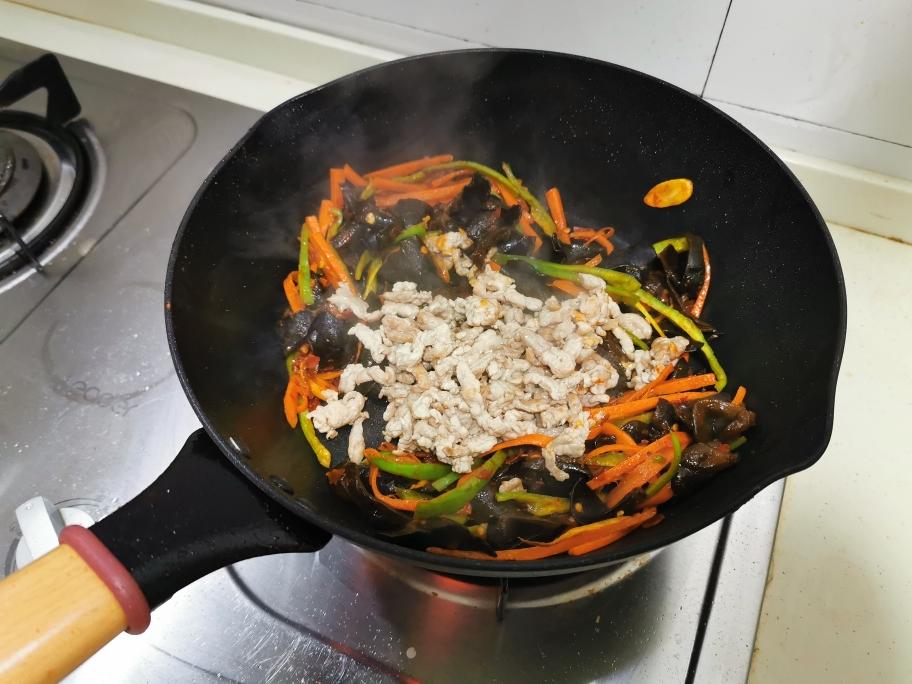
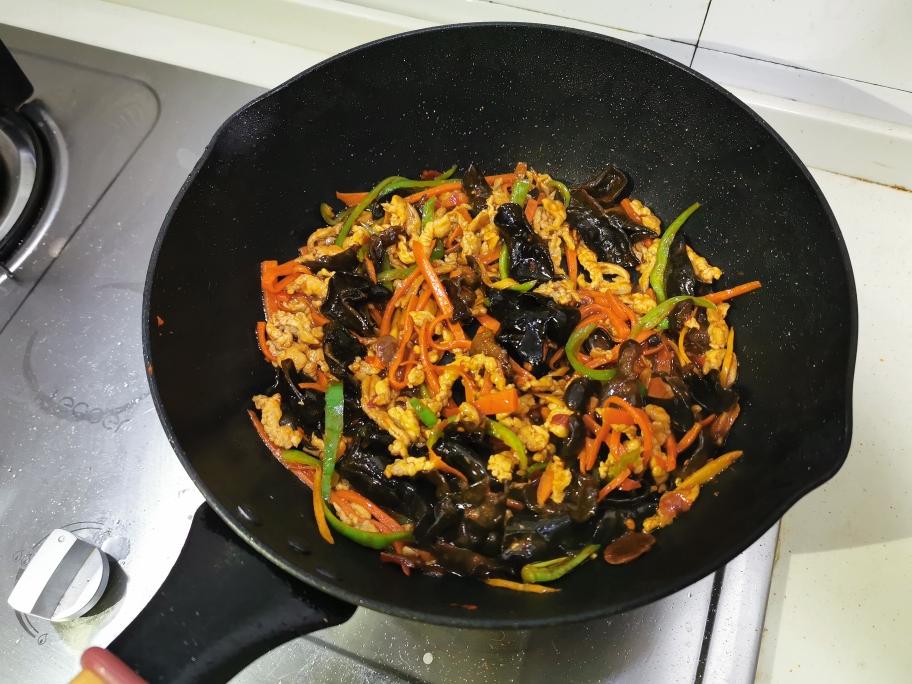
Return the par-cooked pork to the wok and toss everything together for 30 seconds. Give your reserved Yuxiang sauce a quick stir to lift any settled starch from the bottom of the bowl, then pour it over the ingredients in the wok.
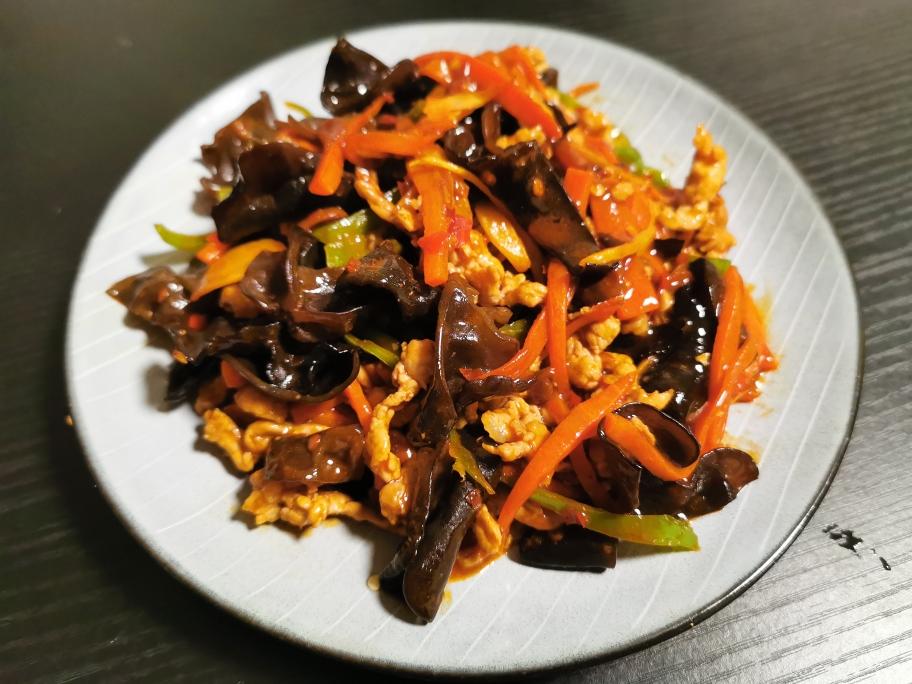
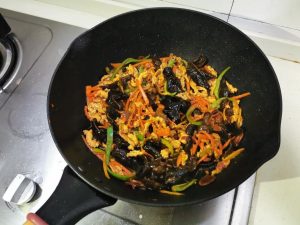
Stir continuously for the final 30 to 45 seconds. You will see the sauce rapidly bubble, thicken, and transform into a glossy glaze that beautifully coats the pork and vegetables. Turn off the heat, transfer to a serving plate, and enjoy immediately.
Why This Recipe Works
The Golden Sauce Ratio: The precise 1:2:3:3:2:4 ratio of salt, soy sauce, vinegar, sugar, starch, and water perfectly balances the intense aromatics, ensuring the sauce is neither overwhelmingly sour nor cloyingly sweet.
Velvetting the Pork: Marinating the lean tenderloin with starch and oil ensures it remains incredibly succulent, even when exposed to the aggressive heat of a wok.
Staged Cooking: Cooking the meat first, removing it, and then returning it at the end prevents the pork from overcooking and becoming rubbery while the vegetables cook.
Common Mistakes When Making Yuxiang Rousi
Soggy Vegetables:
Cause: Cooking the vegetables for too long on low heat.
Fix: Always stir-fry vegetables on high heat for no more than 2 minutes so they retain their crisp texture.
Clumpy Sauce:
Cause: Forgetting to re-stir the sauce before pouring it into the wok. Cornstarch settles at the bottom quickly.
Fix: Always give the sauce a vigorous stir right before it hits the hot pan to ensure a smooth, glossy glaze.
Frequently Asked Questions
Can I substitute the pork with chicken?
Absolutely. Chicken breast or thigh sliced into thin strips works beautifully. Follow the exact same marination and cooking process.
Do I have to use Pixian Doubanjiang?
While Doubanjiang provides the authentic, earthy spice profile of Sichuan cuisine, if you are in a pinch, you can substitute it with garlic chili sauce, though it will alter the traditional flavor profile slightly.
Is this dish very spicy?
No, it is mildly spicy. The sugar and vinegar in the Yuxiang sauce heavily temper the heat from the Doubanjiang, resulting in a balanced, warming spice rather than a sharp burn.
Can I make the sauce ahead of time?
Yes, you can mix the sauce ingredients up to 3 days in advance and keep it in the fridge. Just remember to stir it very well before using.
How to Serve
Yuxiang Rousi is a classic “rice-killer” (下饭菜) in Chinese culture. Its rich, heavily seasoned sauce demands to be eaten with a steaming bowl of fluffy white jasmine rice. If you are building a larger family meal, pair it with a light vegetable soup, such as a simple Tomato Egg Drop Soup, and a side of mild Smashed Cucumber Salad to cleanse the palate.
Storage & Reheat
Refrigeration: Store leftovers in an airtight container in the fridge for up to 3 days.
Freezing: I do not recommend freezing this dish, as the bell peppers and wood ear mushrooms will lose their crunch and become mushy upon thawing.
Reheating: Reheat gently in a pan over medium heat with a splash of water to help loosen the sauce, or microwave in 30-second bursts until steaming hot. Ensure the pork reaches an internal temperature of 165°F (74°C) when reheating.
Allergen Notice
Soy: Contains soy sauce and Doubanjiang (fermented broad beans/soybeans).
Gluten: Most commercial soy sauces and Doubanjiang contain wheat. Use tamari and a gluten-free chili paste if necessary.
Nutrition Disclaimer
Nutrition information is an estimate and provided for informational purposes only. The sodium content can vary heavily depending on the brand of soy sauce and Doubanjiang used. For those monitoring sodium intake, you may omit the additional 1 teaspoon of salt in the sauce mixture.
About the Author & Recipe Development
I’m Lin, the lead recipe developer at Woks of Love. With years of experience testing and documenting traditional Chinese techniques for home cooks, I designed this Yuxiang Rousi recipe to eliminate the guesswork from Sichuan cooking. I rigorously tested the 1:2:3:3:2:4 sauce ratio in standard US and metric measurements to guarantee that whether you are cooking in a tiny apartment kitchen or a professional setup, the balance of sweet, sour, and savory is restaurant-perfect every single time.
Authoritative References
For safe meat preparation, follow the USDA Safe Minimum Internal Temperature Guidelines, which state that raw pork must be cooked to a minimum internal temperature of 145°F (62.8°C) with a 3-minute rest time.
The thickening power of the Yuxiang sauce relies on starch gelatinization. You can explore the science of how cornstarch interacts with heat and liquid at ScienceDirect’s overview of Starch Gelatinization.
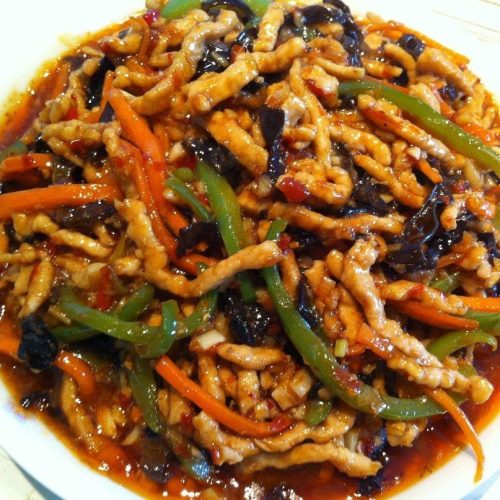
Authentic Yuxiang Rousi (Sichuan Fish-Fragrant Pork)

Equipment
- Carbon Steel Wok
Ingredients
Pork & Marinade
- 10.5 oz pork tenderloin cut into matchstick strips
- 1 tbsp Shaoxing wine
- 1 tbsp cornstarch
- 1 tsp vegetable oil
Vegetables & Aromatics
- 15 pieces dried wood ear mushrooms rehydrated and sliced
- 1 small carrot shredded
- 1 small green pepper shredded
- 1 stalk green onion julienned
- 1 inch ginger julienned
- 2 cloves garlic minced
- 1 tbsp Pixian doubanjiang chili bean paste
- 2 tbsp vegetable oil for stir-frying
Yuxiang Sauce
- 1 tsp salt optional
- 2 tbsp light soy sauce
- 3 tbsp Chinese black vinegar
- 3 tbsp sugar
- 2 tbsp cornstarch
- 4 tbsp water
Instructions
- Slice the pork tenderloin into thin strips. Mix with Shaoxing wine, cornstarch, a pinch of salt, white pepper, and vegetable oil. Let it marinate for 10 minutes.

- Hydrate the wood ear mushrooms, then slice them thinly. Shred the carrot and green peppers. Mince the garlic and julienne the ginger and green onion.
- In a small bowl, thoroughly mix the salt, light soy sauce, black vinegar, sugar, cornstarch, and water to create the Yuxiang sauce.
- Heat 1 tablespoon of oil in a wok over medium-high heat. Add the marinated pork and stir-fry for 2-3 minutes until the color changes. Remove the pork and set it aside.
- Add another tablespoon of oil to the wok. Fry the ginger, garlic, and green onion for 15 seconds, then add the Doubanjiang and stir-fry for 30 seconds until red oil releases.
- Turn heat to high, add the shredded carrots, mushrooms, and green peppers. Stir-fry for 2 minutes until 70% cooked.
- Return the pork to the wok. Re-stir the Yuxiang sauce, pour it over the ingredients, and toss continuously for 30-45 seconds until the sauce is glossy and thick. Serve immediately.
- Transfer to a serving plate and enjoy hot with steamed rice.






Leave a Reply