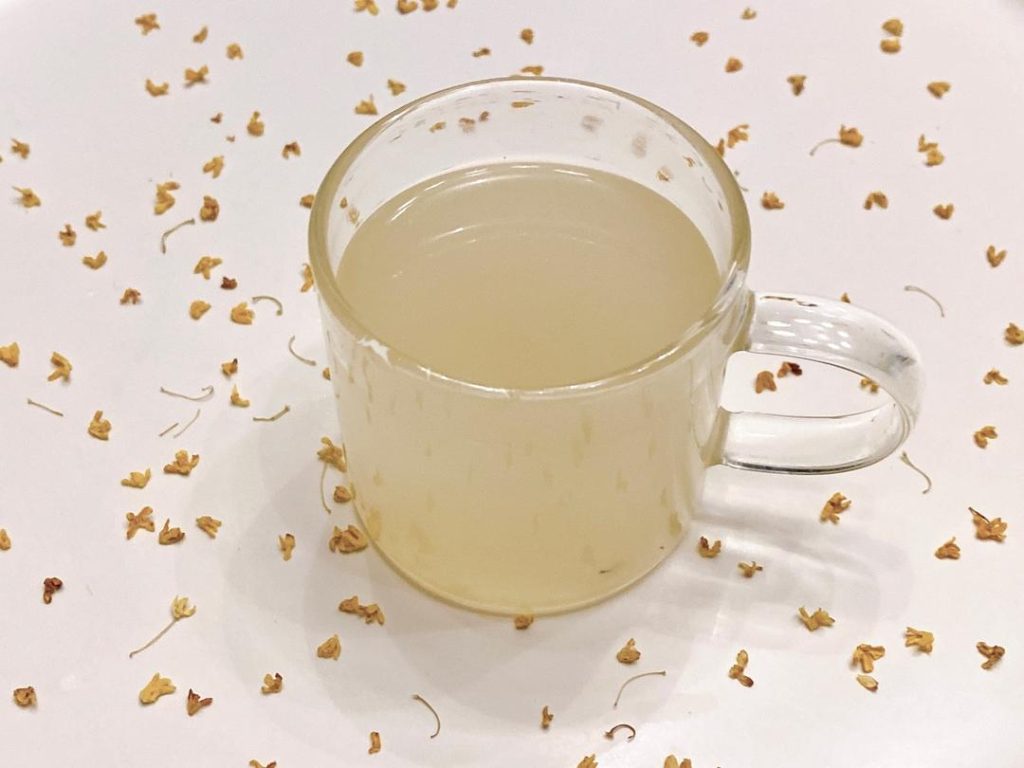
Hi everyone, Lin here for Woks of Love. I frequently make sweet fermented rice, often giving jars of it away to colleagues and friends. When osmanthus season arrives, I always add a special touch to my traditional recipe. Infusing classic sweet fermented rice with osmanthus syrup creates a subtle, floral aroma that completely elevates the dish. It is incredibly fragrant and much more flavorful than plain rice wine. Today, I’m sharing my foolproof method for getting it right every single time.

What Is Gui Hua Jiu Niang?
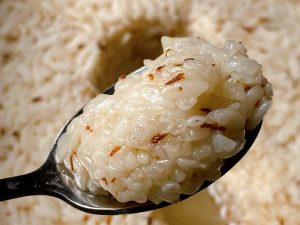
Jiu Niang (酒酿), also known as sweet fermented rice or glutinous rice wine, is a traditional Chinese sweet dessert and condiment made by fermenting glutinous rice with a starter culture (Jiu Qu). “Gui Hua” refers to osmanthus flowers, which add a honey-like, floral dimension. It is sweet, mildly alcoholic, and highly aromatic.
Similar Recipes in Our Kitchen: If you enjoy working with glutinous rice, you will also love our classic Lo Mai Gai (Sticky Rice in Lotus Leaf), which showcases the savory side of this versatile grain.
Ingredients
- Glutinous Rice (糯米): 500g (about 2.5 cups). This is the foundation. It must be glutinous (sweet) rice, not regular white rice.
- Osmanthus Honey/Syrup (桂花蜜): 25g (about 1.5 tablespoons). Adds the signature floral aroma.
- Sweet Rice Leaven / Koji (安琪甜酒曲): 3g (about 1 teaspoon). This is the yeast/starter culture. You can find this in most Asian supermarkets.
- Cool Boiled Water (凉开水): 200ml (about ¾ cup plus 1 tablespoon). Must be boiled and cooled to avoid bacterial contamination.
Equipment Needed
- Rice cooker
- A clean, sterilized glass or ceramic container (absolutely oil-free and water-free)
- Spatula or spoon
Prep & Mise en Place
The golden rule of making Jiu Niang is absolute cleanliness. Any residual oil or raw tap water in your container or on your utensils will introduce unwanted bacteria, which will ruin the fermentation and cause mold. Ensure all tools are washed, sterilized with boiling water, and dried completely.
Cooking Process
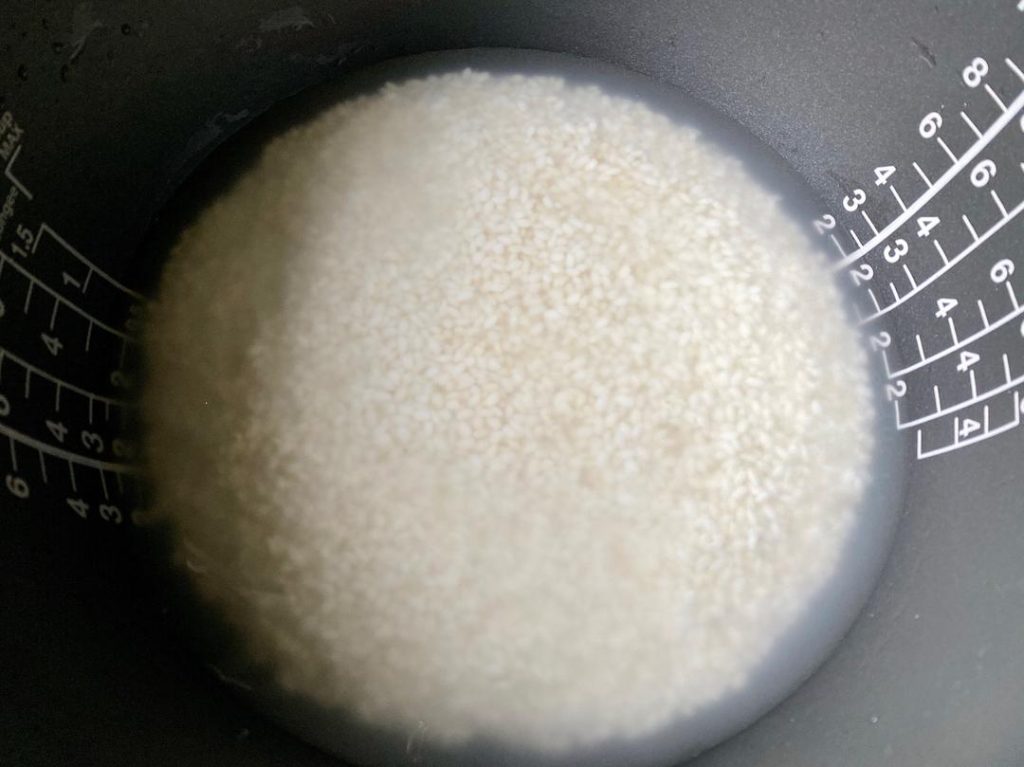
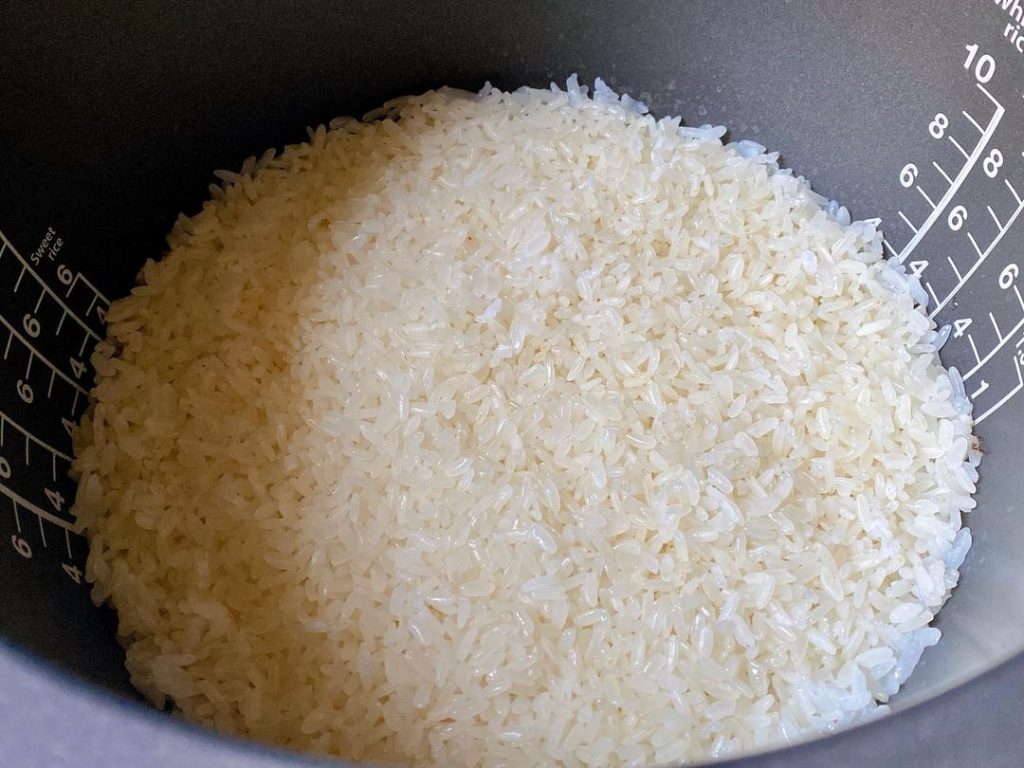
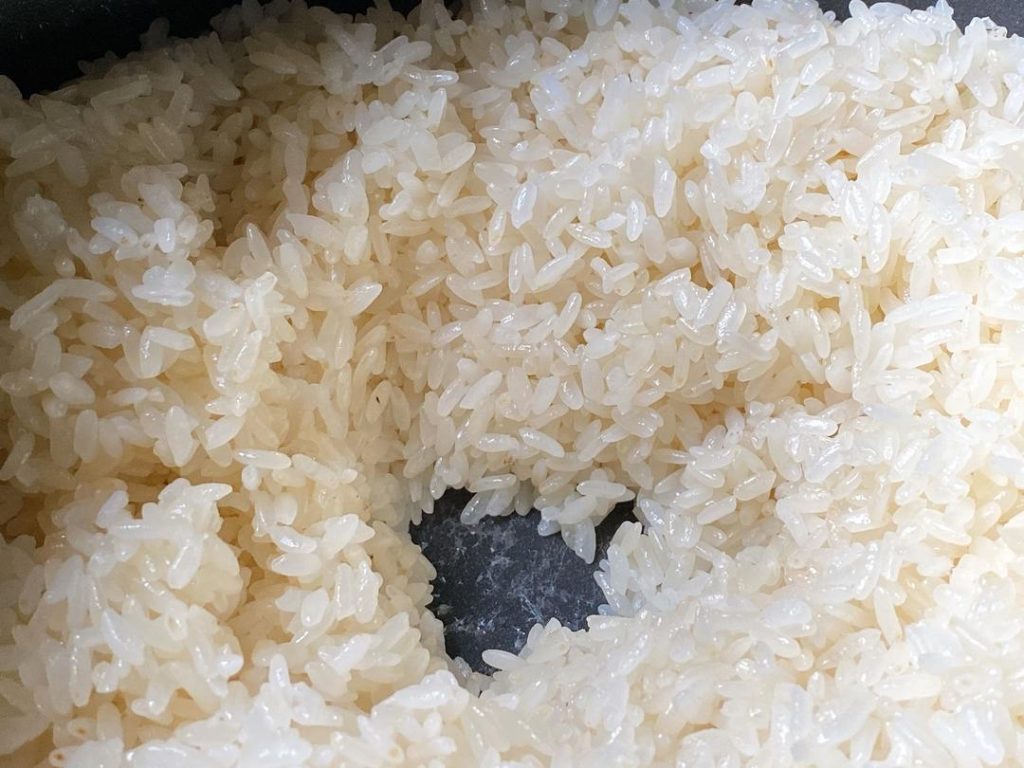
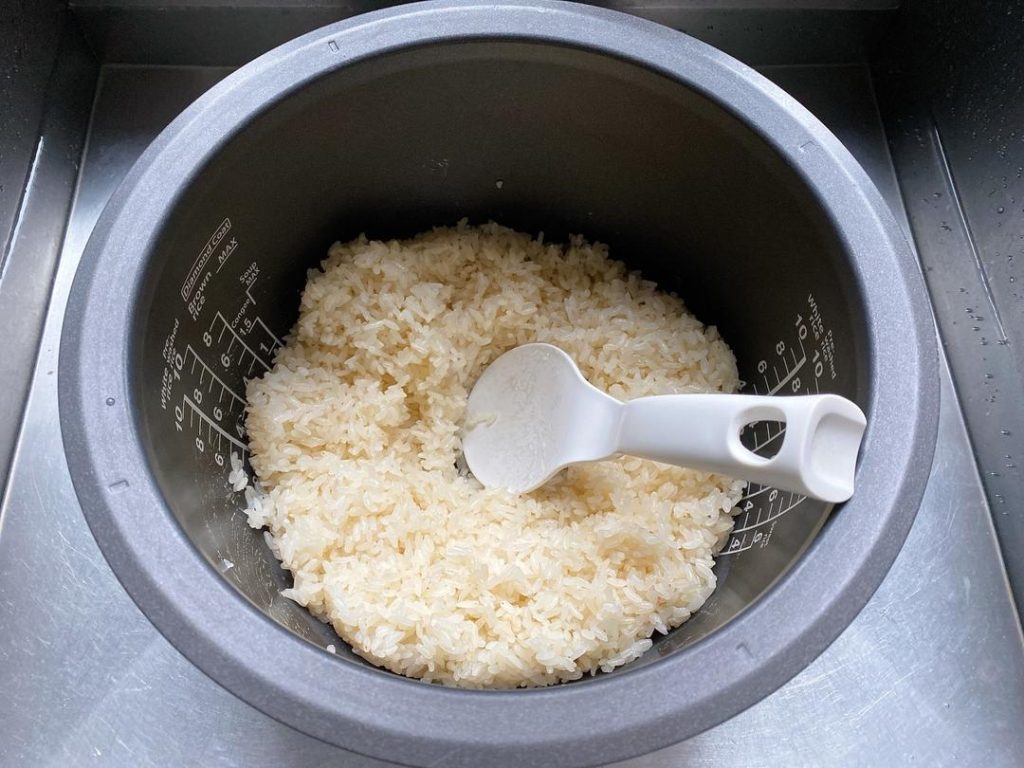
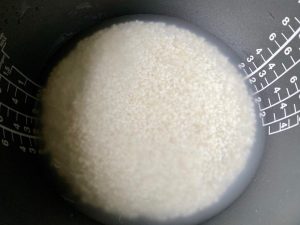
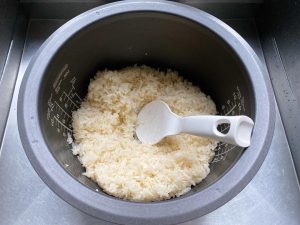
- Cook the Rice (40-45 minutes): Traditionally, rice is soaked overnight and steamed. However, a modern shortcut is to use your rice cooker. Add the 500g of glutinous rice and add slightly less water than you normally would for cooking rice. The goal is to yield rice where the grains are distinct, not mushy.
- Cool the Rice (15-20 minutes): Transfer the cooked rice to a wide, sanitized bowl. Allow it to cool completely to room temperature (below 30°C / 86°F). You can place the bowl in a cold water bath to speed up the process. > Why this matters: The yeast in the starter culture is a living organism. If the rice is too hot, it will kill the yeast, and fermentation will fail.
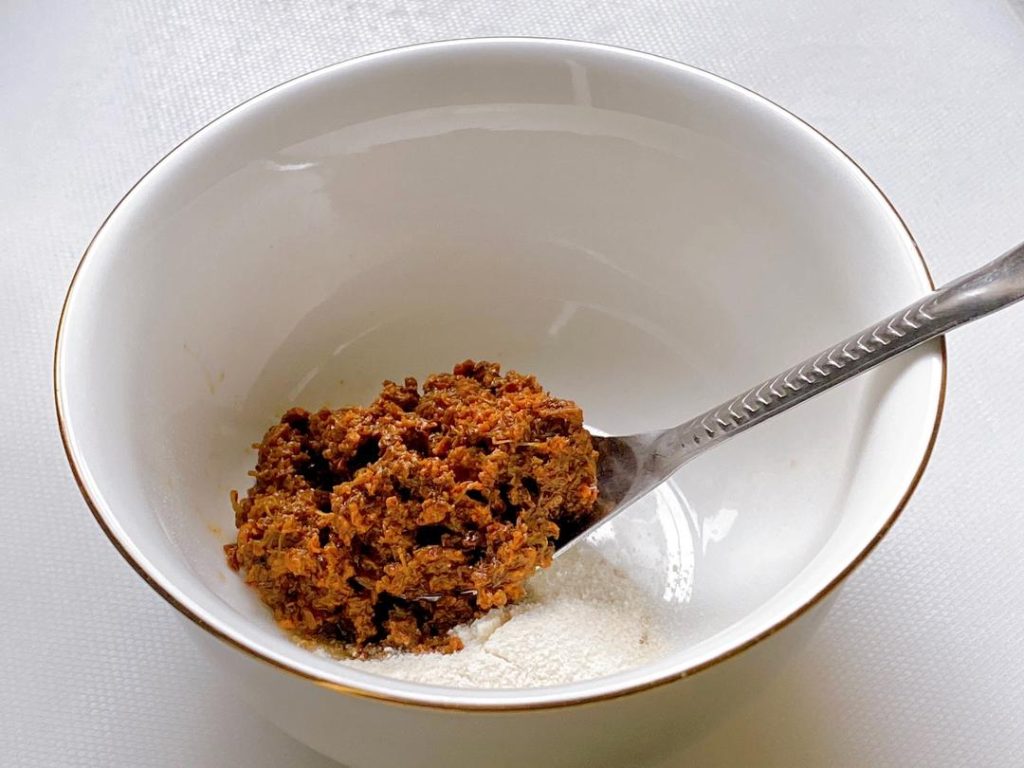
- Prepare the Starter Water (2 minutes): In a small bowl, mix the 200ml of cool boiled water, the 25g of osmanthus honey, and about 2g of the sweet rice leaven (save 1g for later).
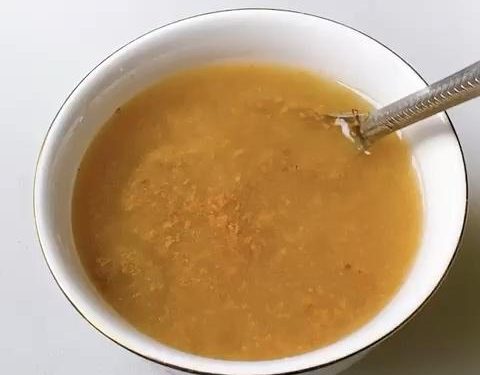
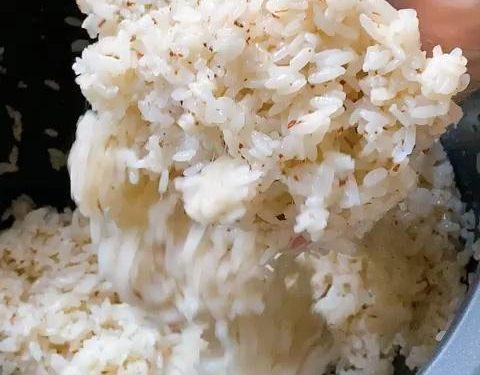
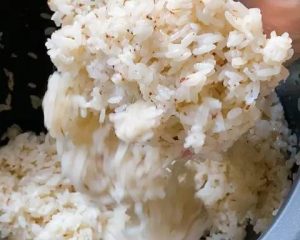
- Mix the Rice (3 minutes): Gradually pour the osmanthus-yeast liquid into the cooled rice. Stir gently to loosen the rice grains until they are completely separated and evenly coated.
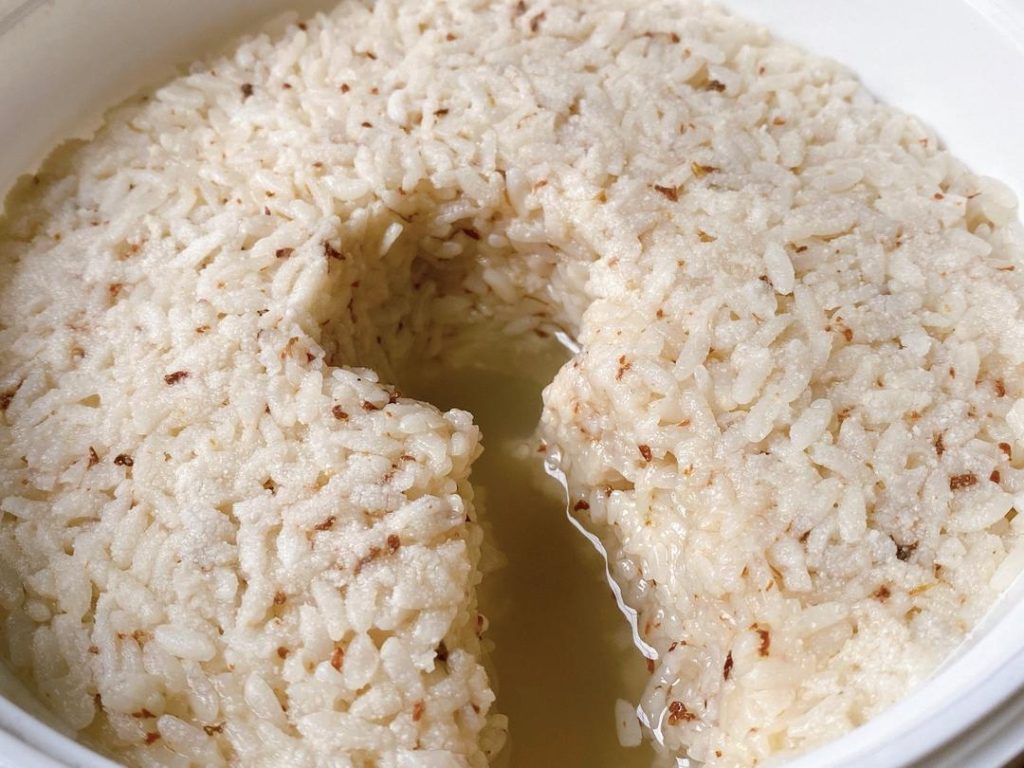
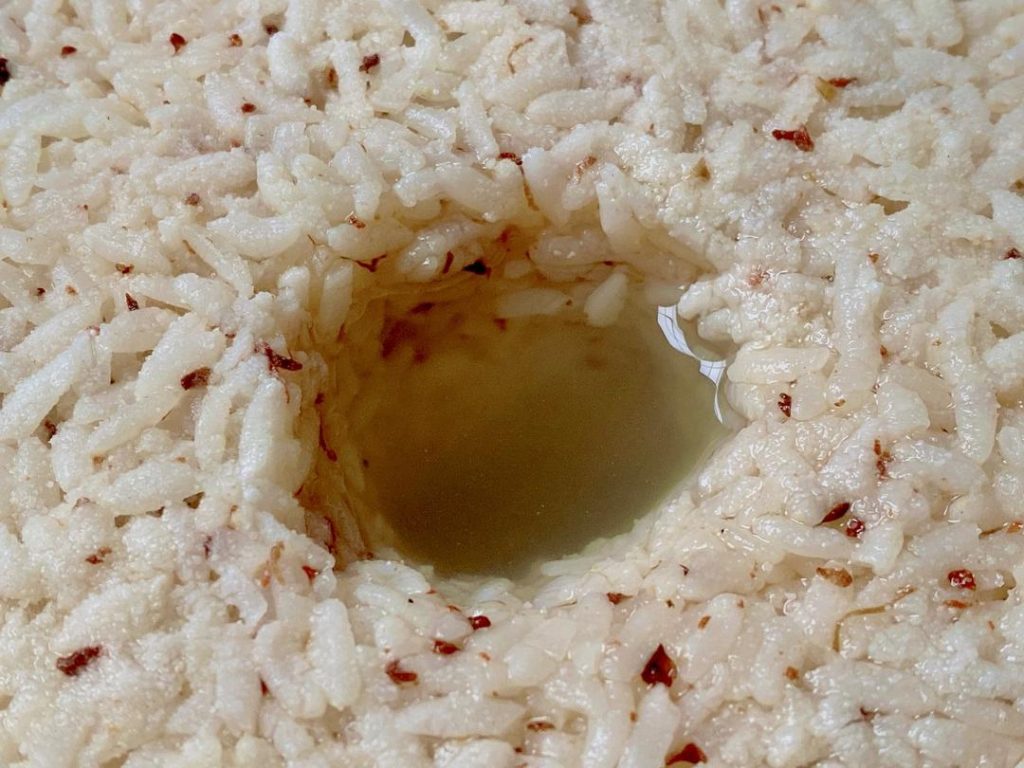
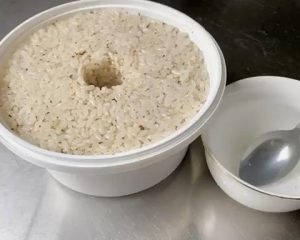
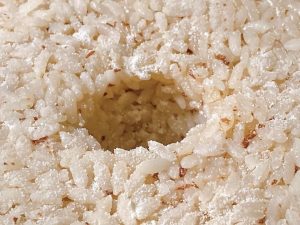
- Pack and Shape (2 minutes): Transfer the mixture into your sterilized fermentation container. Press it down lightly to flatten the surface. Tip: Dip your spoon in cool boiled water so the sticky rice doesn’t cling to it. Use your finger or a chopstick to poke a hole straight down the middle of the rice. This hole acts as a window to observe the fermentation liquid gathering.
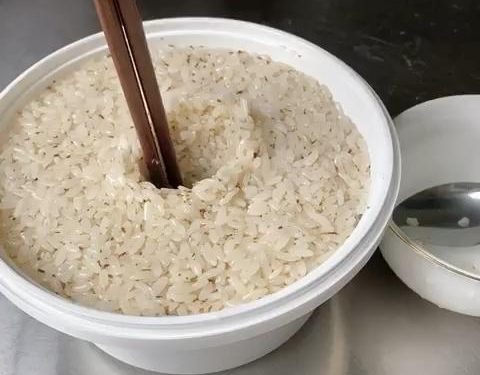
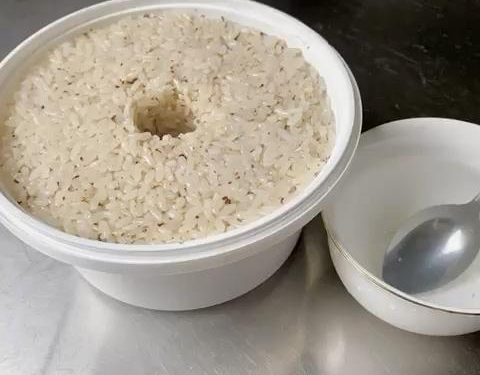
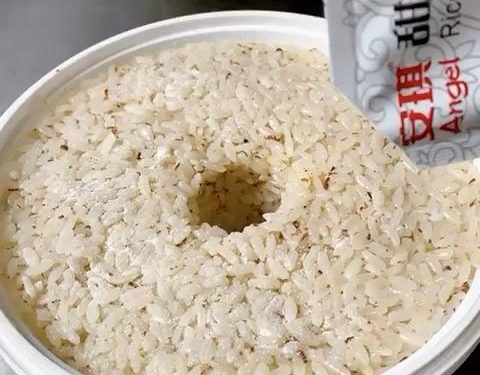
- The Final Sprinkle: Sprinkle the remaining 1g of sweet rice leaven evenly over the top surface and inside the center hole. This significantly increases the success rate.
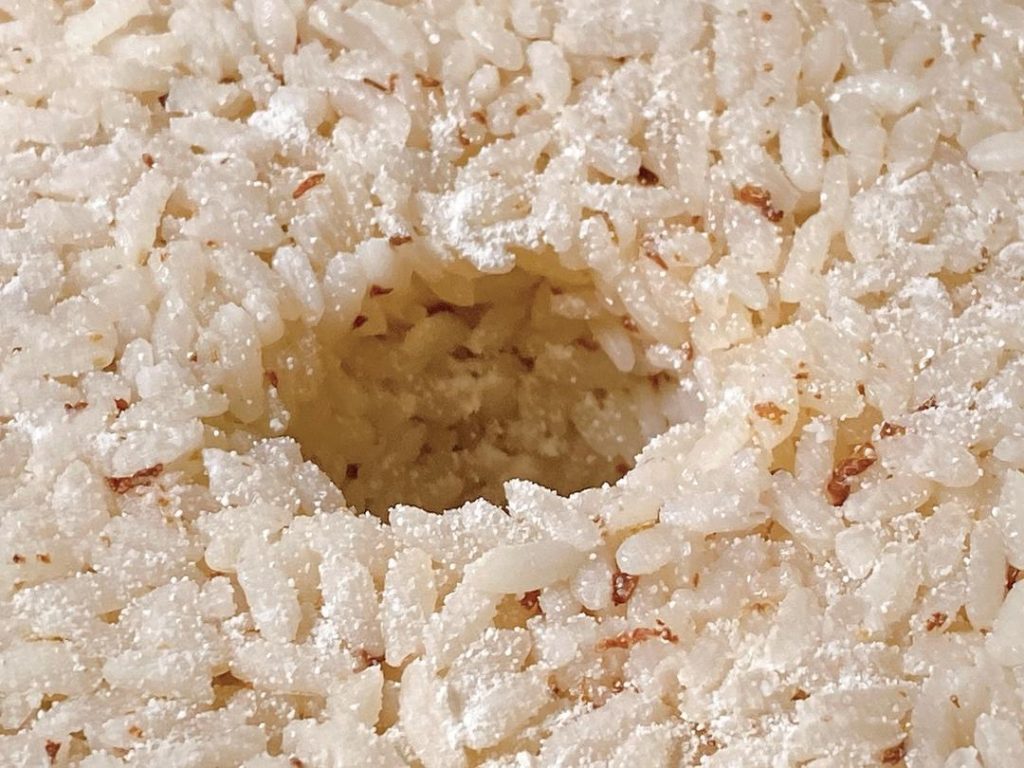
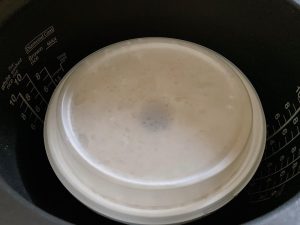
- Ferment (36-48 hours): Cover the container tightly. Place it in a warm, dark place, ideally around 25°C (77°F). Ferment for 1 to 2 days. If making this in winter, wrap the container in a towel for warmth; it may take 3 to 4 days.
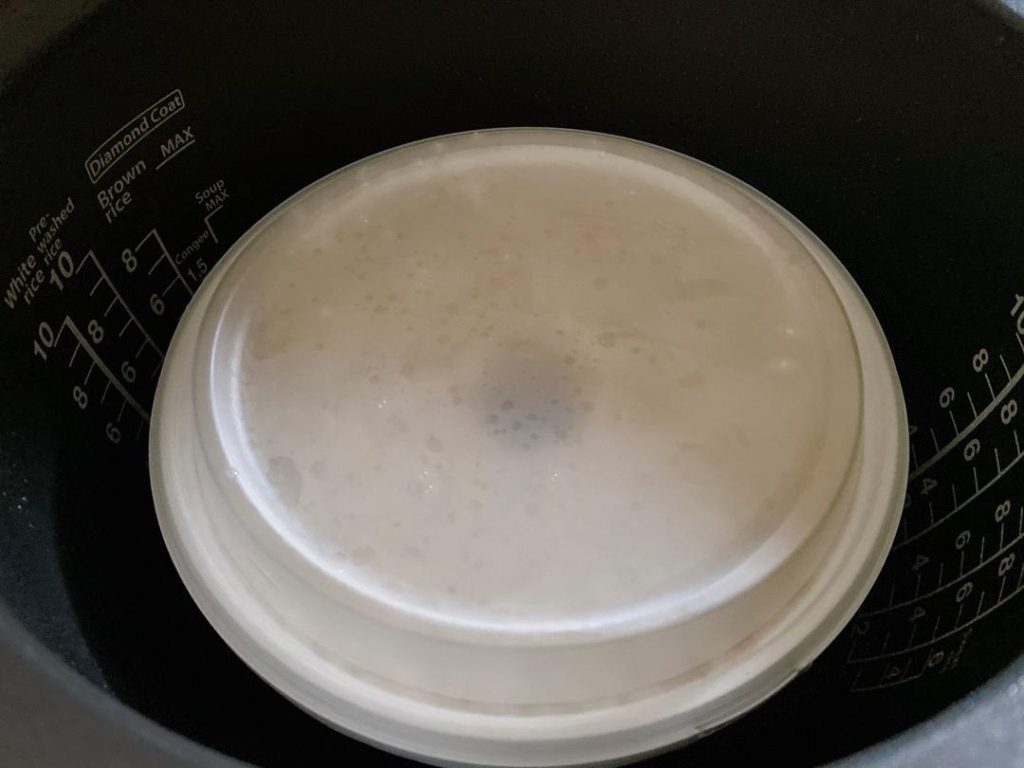
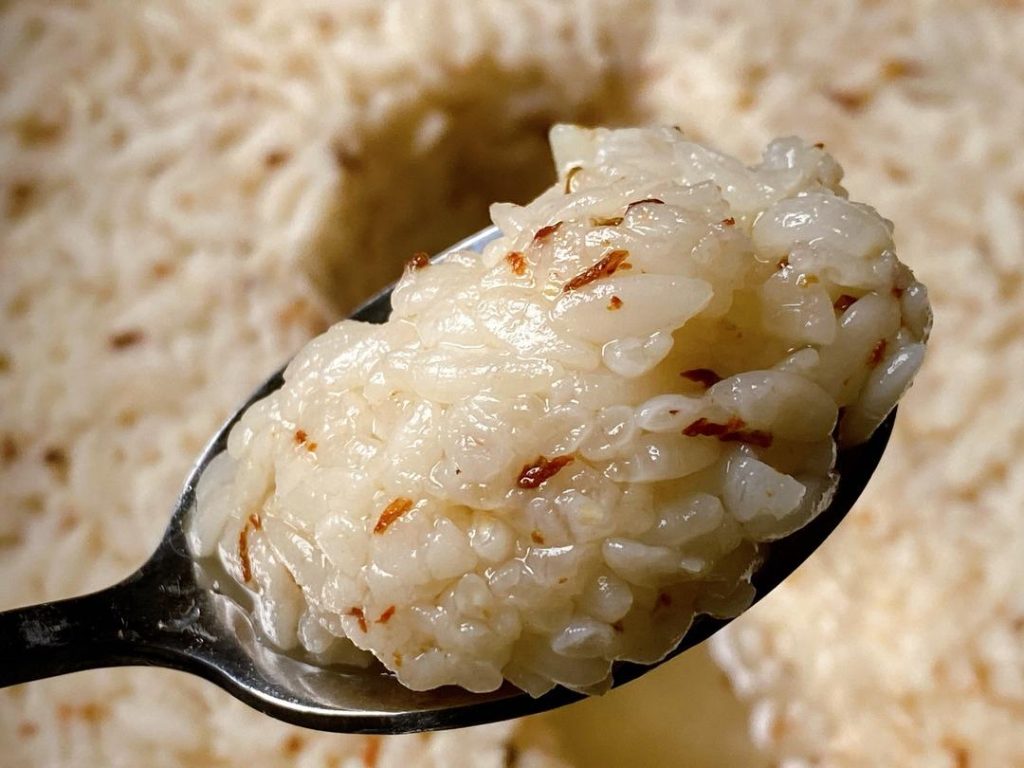
- Observe and Chill: After about 36 hours, check the hole. It should be filled with sweet, fragrant rice wine. White fuzz on the surface is a normal byproduct of the Rhizopus fungus. Once it reaches your desired sweetness, move it to the refrigerator to halt fermentation.
Why This Recipe Works
- Distinct Grains: Using a rice cooker with slightly less water prevents a mushy texture, giving the yeast room to breathe and ferment evenly.
- Temperature Control: Utilizing a water bath to cool the rice ensures the delicate yeast isn’t destroyed by residual heat.
- Layered Inoculation: Mixing yeast into the water and sprinkling it on top ensures robust and safe fermentation.
Common Mistakes & Troubleshooting
- Mistake: The Jiu Niang smells sour or rancid.
- Reason: Contamination from raw tap water or an oily container.
- Solution: Always use boiled water that has cooled, and sterilize your equipment thoroughly.
- Mistake: Green, red, yellow, or black mold appears.
- Reason: Harmful bacterial or mold contamination. (Note: Only pure white fuzz is safe).
- Solution: Do not eat it. Discard immediately and start over with sanitized tools.
- Mistake: The rice remains dry, and no liquid forms.
- Reason: The rice was too hot when the yeast was added, killing the culture.
Frequently Asked Questions
- Can I substitute the osmanthus honey? Yes, you can omit it for traditional plain Jiu Niang, or use regular honey with dried osmanthus flowers, though the flavor profile will shift slightly from traditional recipes using Sugar.
- How do I make it more alcoholic? Leave it at room temperature for an extra 1-2 days before moving it to the fridge. The longer it ferments, the more the sugars convert to alcohol.
- Is this authentic? Yes, this uses the traditional Chinese method, adapted slightly for modern rice cookers to save time without sacrificing the authentic texture.
How to Serve
Gui Hua Jiu Niang is wonderfully versatile. Serve it cold as a refreshing dessert, or warm it gently and add glutinous rice balls (Tangyuan). For a complete comforting meal, pair it as a dessert after enjoying a bowl of Tomato Egg Drop Soup or Red Bean and Black Rice Porridge. If you want a savory contrast to the sweet wine, try serving it alongside Gluten-Free Dumplings or after a hearty breakfast of Century Egg and Pork Congee.+3
Storage & Reheat
- Refrigerator: Store in an airtight container in the fridge for up to 2-3 weeks. Cold temperatures dramatically slow the fermentation.
- Reheating: Scoop out your desired portion and warm gently on the stove or microwave. Do not boil vigorously, or you will lose the delicate floral aroma and alcohol content.
Allergen Notice
This recipe is naturally dairy-free and nut-free. Glutinous rice, despite its name, does not contain gluten. However, always check the packaging of your starter leaven and osmanthus honey for cross-contamination warnings if you have severe allergies.
Nutrition Disclaimer
Nutrition information is an estimate and provided for informational purposes only. Fermentation processes naturally alter sugar and carbohydrate structures, making exact nutritional profiling variable.
About the Author & Recipe Development
I am Lin, the recipe developer and chef behind Woks of Love. Having grown up watching my family craft traditional ferments, I spent years perfecting this recipe to adapt the classic steaming method into an accessible, foolproof rice cooker technique. This recipe has been tested rigorously in our home kitchen to ensure the perfect balance of floral sweetness and active fermentation every time.
Authoritative References
To ensure safety when fermenting at home, it is crucial to understand temperature control. Fermenting at a controlled room temperature (around 25°C) safely encourages the growth of Rhizopus oryzae (the primary active culture in sweet rice leaven) while inhibiting harmful spoilage bacteria. For more details on the microbiology of safe traditional Asian ferments, you can refer to peer-reviewed studies available via the National Center for Biotechnology Information (NCBI).
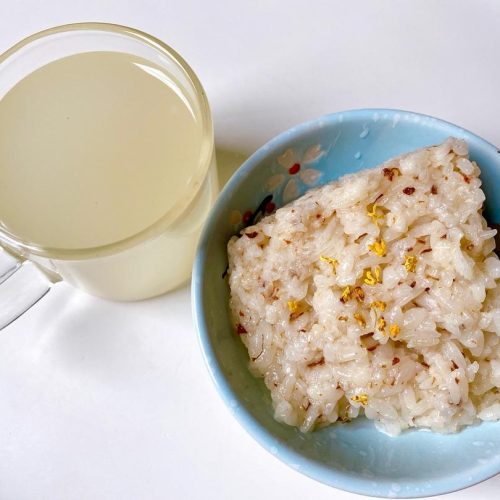
Authentic Osmanthus Fermented Rice (Gui Hua Jiu Niang)

Equipment
- Rice Cooker
- Sterilized Glass or Ceramic Container
Ingredients
Main Ingredients
- 500 g glutinous rice Sweet rice, do not use regular white rice.
- 25 g osmanthus honey or syrup approx. 1.5 tbsp
- 3 g sweet rice leaven (Jiu Qu) approx. 1 tsp. Angel brand recommended.
- 200 ml cool boiled water Must be boiled and cooled down to prevent bacterial contamination.
Instructions
- Cook the 500g glutinous rice in a rice cooker with slightly less water than usual to keep grains distinct.

- Transfer cooked rice to a wide, sanitized bowl and cool completely to below 30°C (86°F).
- In a small bowl, combine 200ml cool boiled water, 25g osmanthus honey, and 2g of the sweet rice leaven. Mix well.

- Gradually pour the mixture into the cooled rice, stirring gently to separate the grains.
- Transfer the rice into a sterilized, oil-free container. Flatten the surface slightly and poke a hole in the center.
- Sprinkle the remaining 1g of sweet rice leaven over the top surface and inside the center hole.
- Cover and ferment in a dark place at around 25°C (77°F) for 36-48 hours until sweet liquid fills the hole.
- Transfer to the refrigerator to stop fermentation before serving.




Leave a Reply