In a Cantonese kitchen, the ultimate test of a chef isn’t how many spices they can pile into a wok—it’s how they handle a fresh fish. Steamed Sea Bass (清蒸鲈鱼 – Qīngzhēng Lúyú) is the crown jewel of Cantonese home cooking. It’s all about Xian (鲜)—that elusive quality of freshness and “umami” that needs no mask.

I recently unlocked a new level of this dish using a specific Matsutake-infused light soy sauce that mimics the depth found in high-end Hong Kong seafood restaurants. It effectively neutralizes any “fishy” notes while elevating the natural sweetness of the sea bass. Whether you are hosting a formal dinner or looking for a healthy weeknight meal, this recipe delivers restaurant results with minimal effort.
What Is Cantonese Steamed Sea Bass?
Steaming is the most respected method for preparing white fish in Southern China. Unlike Western pan-searing, which focuses on the Maillard reaction, Chinese steaming focuses on texture—the meat should be “just” cooked, sliding off the bone like silk.
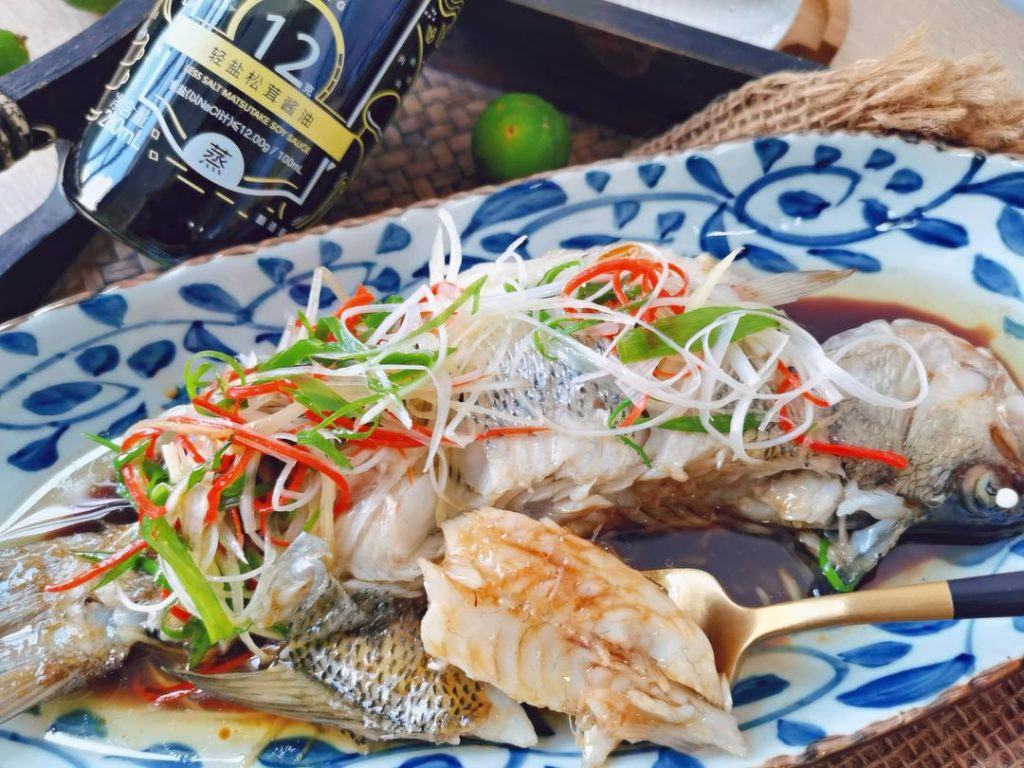
While many restaurants use high-pressure steamers, the home version relies on a simple wok or steamer rack. The soul of the dish lies in the finishing touch: a flash-pour of sizzling oil over julienned aromatics.
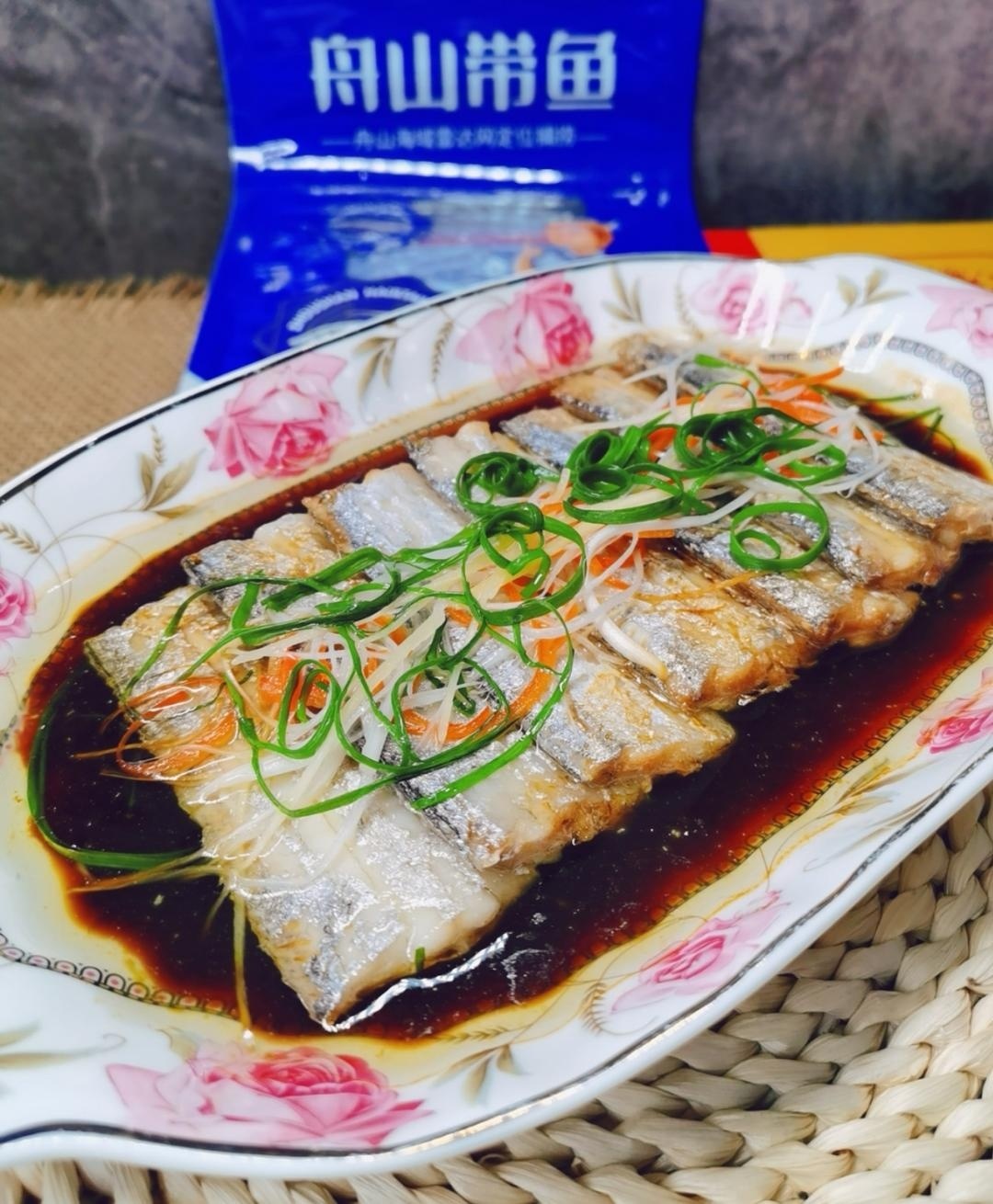
If you fall in love with the delicate flavors and straightforward technique of this steamed sea bass, you will absolutely adore our Classic Steamed Ribbonfish (15-Minute Restaurant Style Recipe)
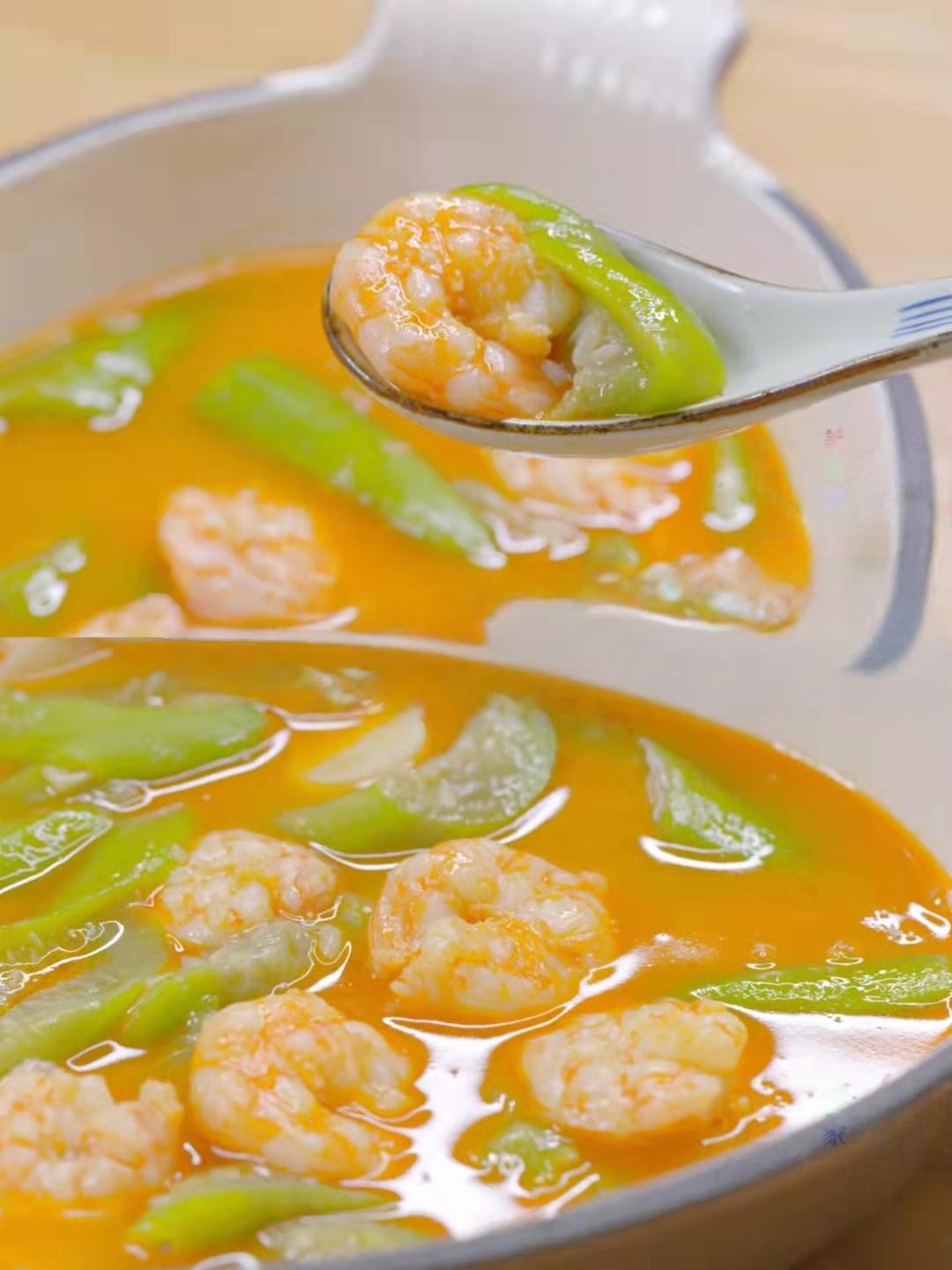
. Ribbonfish, also known as hairtail, offers an incredibly tender, melt-in-your-mouth texture. It relies on a very similar high-heat steaming and smoking-hot oil method to bring out the ocean’s natural sweetness while completely eliminating any fishy odor. It’s another brilliant, foolproof seafood centerpiece you can easily master at home in just 15 minutes!1Classic Steamed RibbonfishLearn how to make authentic Chinese Steamed Ribbonfish (Hairtail) with perfectly tender meat and zero fishiness. A quick, healthy 15-minute dinner.Check out this recipeIf you’re a fan of delicate seafood, you might also enjoy my Luffa and Shrimp Soup, which follows the same philosophy of highlighting natural flavors.
2Luffa and Shrimp Soup (Sigua Xiaren Tang)A light, nutritious, and deeply flavorful Chinese soup made with silk gourd (luffa) and fresh shrimp. The broth gets its rich, milky appearance and savory taste from quick-frying the shrimp heads—a professional chef’s secret!Check out this recipe
Ingredients
The Fish
- 1 Fresh Sea Bass: Approx. 400g / 14 oz (cleaned and scaled)
- 1 tbsp Cantonese Rice Wine: (Or Shaoxing Wine)
- 1 tsp Salt: (Optional, as the Matsutake soy sauce is quite savory)
The Aromatics (The “Four Silks”)
- 2 stalks Large Leek/Scallion: White parts, julienned
- 1 inch Ginger: Peeled and julienned
- 2 stalks Green Scallions: Green parts, julienned
- 1 small Red Chili: (Optional, for color), deseeded and julienned
The Sauce & Oil
- 30g (2 tbsp) Matsutake Light Soy Sauce: (Or high-quality Light Soy Sauce)
- 15g (1 tbsp) Peanut Oil: (Or any high-smoke point oil)
Equipment Needed
- A Wok or Large Pot: With a tight-fitting lid.
- Steaming Rack: To elevate the plate.
- Julienne Peeler or Sharp Knife: For the “four silks.”
- Small Saucepan: For heating the oil.
Prep & Mise en Place
- Fundamental Cleaning: This is the most important step for a “non-fishy” result. Remove the gills, scrape off any remaining scales, and—crucially—wash away the “blood line” along the spine inside the cavity. Scrape the slime off the skin with a knife.
- Marination: Rub the fish with rice wine. Stuff the cavity with ginger slices and scallion sections. Lay more ginger and scallions on and under the fish. Let it rest for 10 minutes.
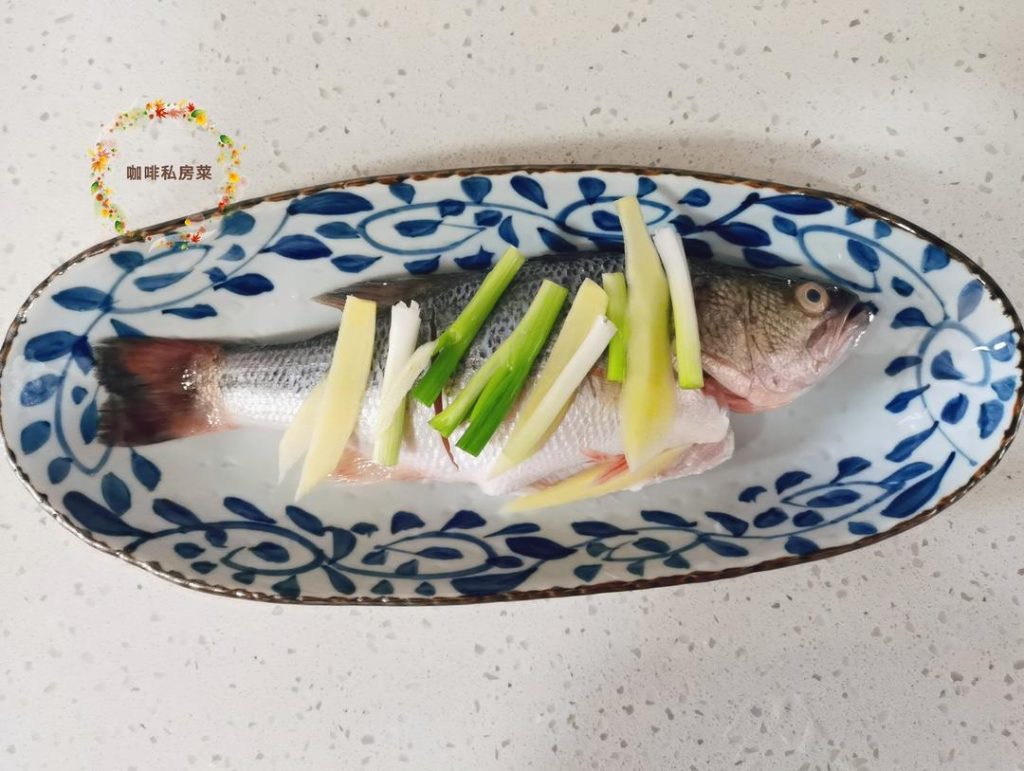
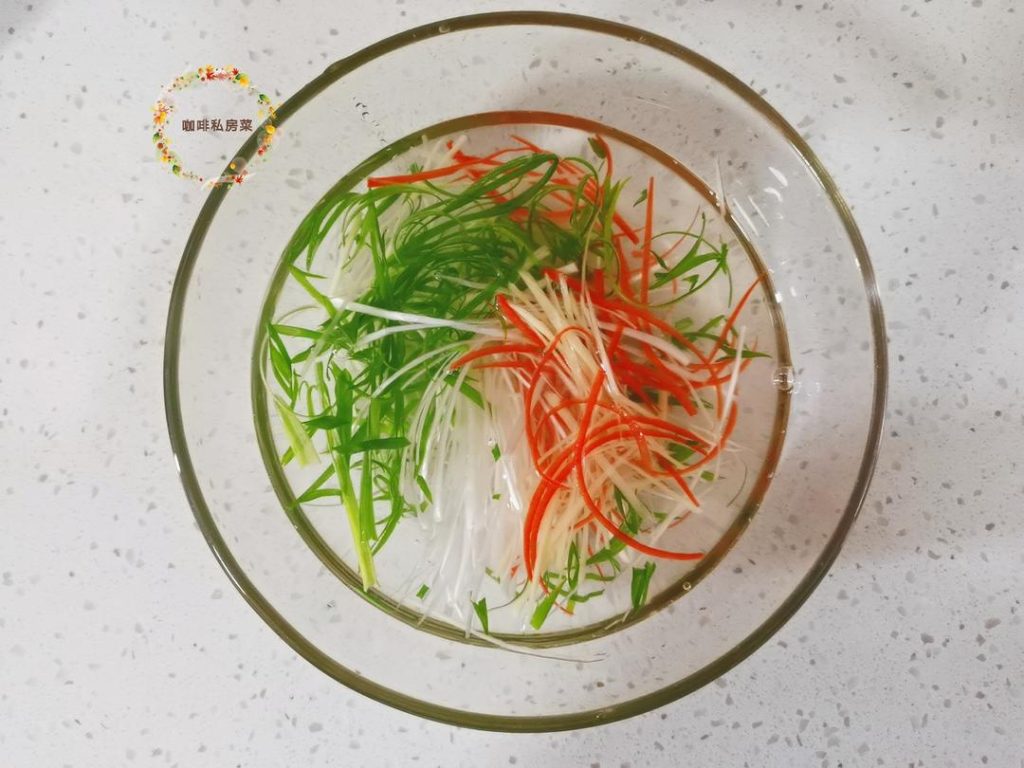
- The Cold Water Soak: Place your julienned aromatics (the “four silks”) in a bowl of cold water. This makes them curl beautifully for that professional look.
Cooking Process
1. The Steam
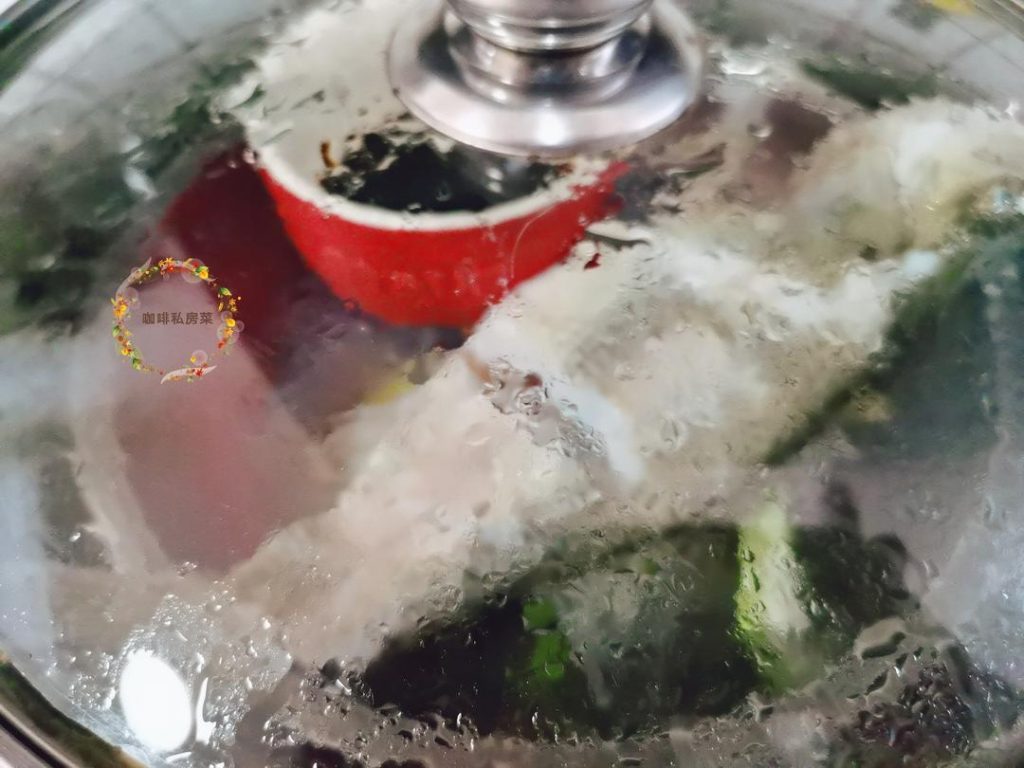
Once your steamer is at a rolling boil (producing plenty of steam), place the fish plate and the small bowl of soy sauce inside the steamer.
- Steam on medium-high heat for 6 minutes.
“When steaming fish, the goal is to reach an internal temperature of 145°F (63°C). Steaming uses latent heat—the energy released when steam condenses back into water—which is much more efficient than dry air at transferring heat to the fish proteins.” [Source: USDA Seafood Safety Standards]
2. The Great Discard
This is the “Chef’s Secret.” Carefully remove the plate. Discard the liquid at the bottom of the plate. This liquid contains the albumin and impurities that carry the fishy smell. Also, remove the used ginger and scallion sections.
3. The Aromatics
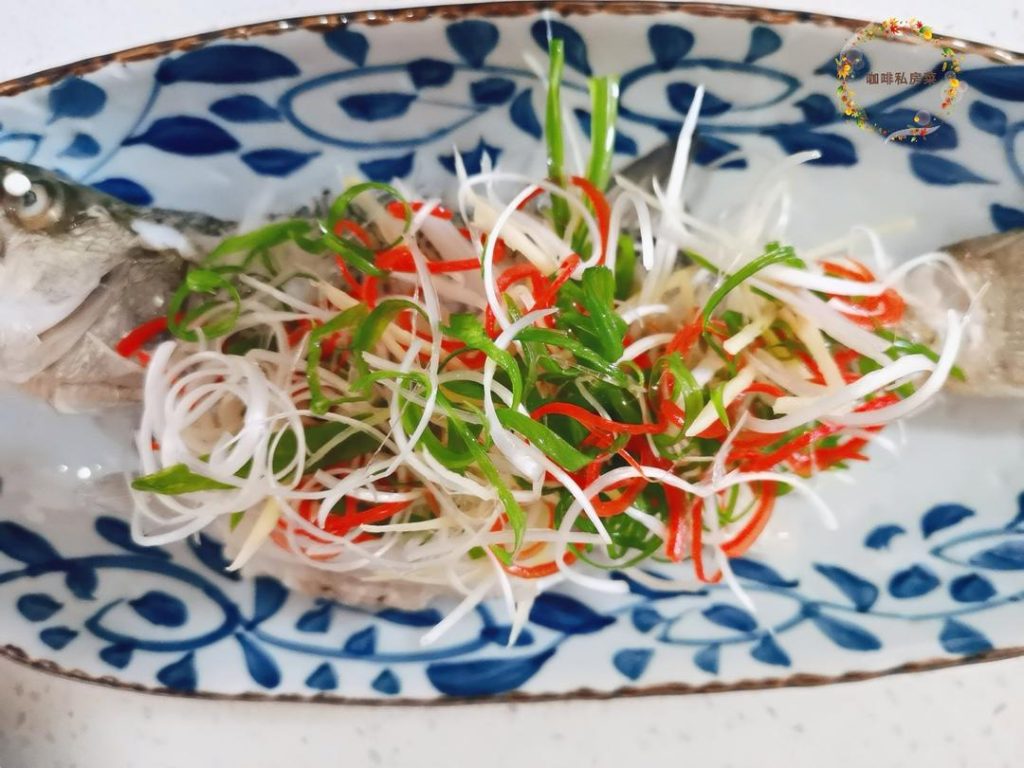
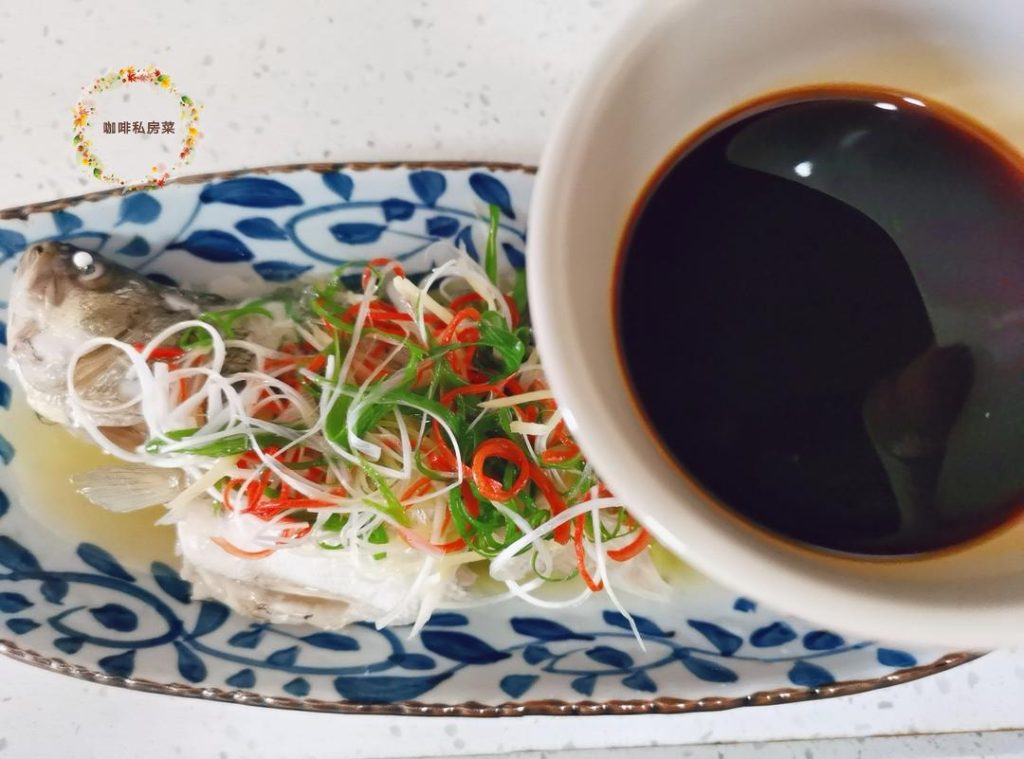
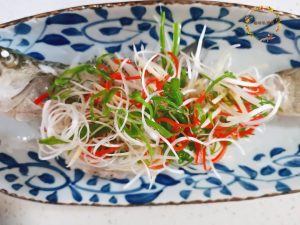
Drain the “four silks” and pile them neatly along the spine of the fish.
4. The Sizzle
Heat the peanut oil in a small saucepan until it starts to shimmer (almost smoking). Pour the hot oil directly over the julienned aromatics. You should hear a loud sizzle as the oil “wakes up” the ginger and scallions.
5. The Finish
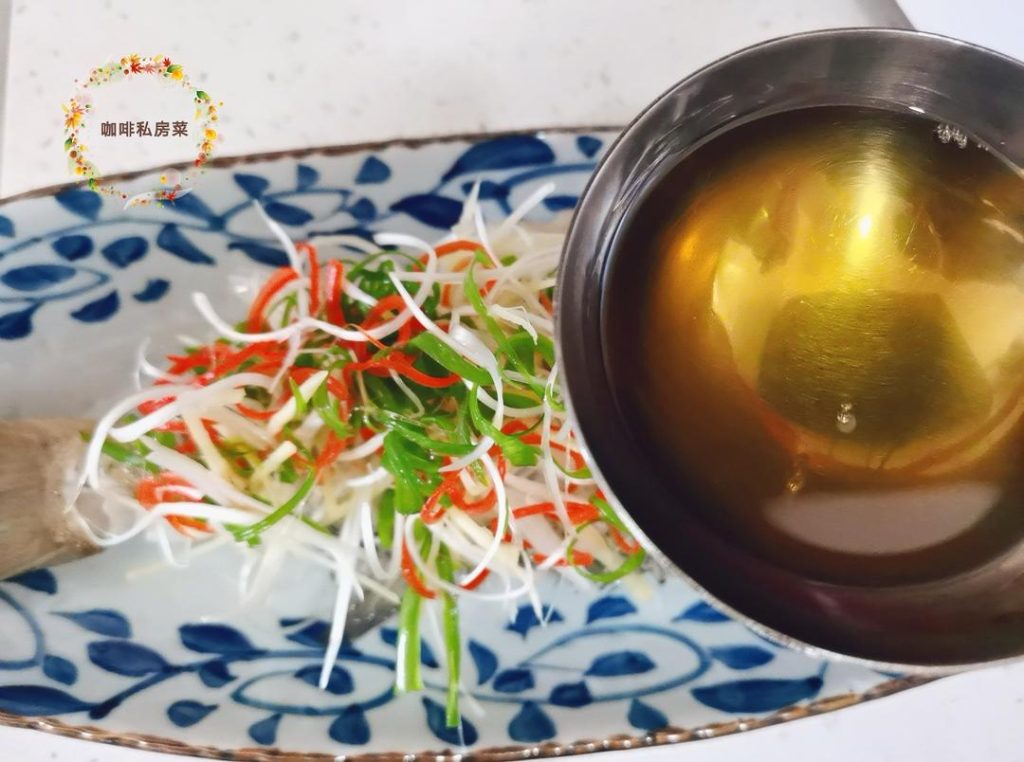
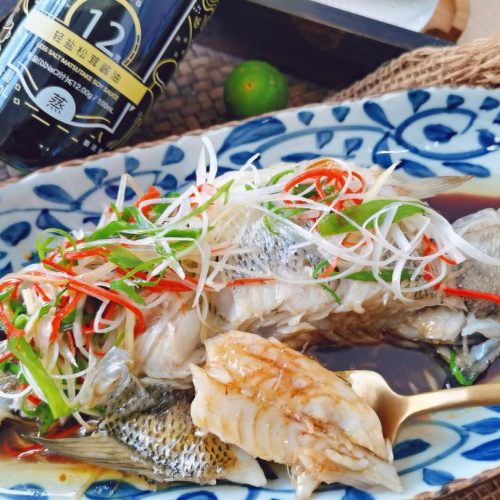
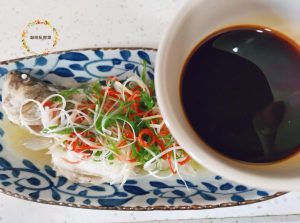
Pour the warmed soy sauce around the edges of the fish (not directly over the top, to keep the skin beautiful). Serve immediately.
Common Mistakes When Making Steamed Fish
- Overcooking: A fish over 1.2 lbs needs more time, but for a 400g fish, 6–7 minutes is plenty. If you overcook it, the collagen shrinks, and the meat becomes tough.
- Keeping the Steaming Water: Many beginners think this “juice” is flavorful. In reality, it is the primary source of the “fishy” odor. Always pour it out!
- Using Cold Soy Sauce: Cold sauce shocks the hot fish, causing the meat to tighten. Always warm the sauce in the steamer or a small pot first.
Why This Recipe Works
- Enzymatic Balance: Ginger and rice wine work together to break down trimethylamine, the compound responsible for fishy odors.
- Temperature Control: Using a pre-heated steamer ensures the exterior proteins denature quickly, locking in the juices.
- The Sizzle Method: The hot oil (approx. 350°F) instantly extracts the essential oils from the scallions and ginger, creating a fragrant “infusion” that coats the fish.
Frequently Asked Questions
Can I use frozen fish? While fresh is best for Cantonese style, you can use frozen bass. Ensure it is fully thawed and patted bone-dry before marination to prevent a mushy texture.
What if I can’t find Matsutake Soy Sauce? You can use regular Light Soy Sauce mixed with a pinch of Sugar and a drop of Oyster Sauce to mimic the complexity.
Why is my fish sticking to the plate? Lay a bed of scallion sections or ginger slices under the fish. This also allows steam to circulate under the fish for more even cooking.
How to Serve
Serve this fish as the centerpiece of a traditional meal. I recommend pairing it with:
- A side of Smashed Cucumber Salad for a refreshing crunch.
- Yangzhou Fried Rice to soak up that delicious soy-ginger sauce.
- A light Miso Soup to start the meal.
Storage & Reheat
- Storage: Steamed fish is best eaten immediately. If you have leftovers, store in an airtight container for up to 2 days.
- Reheat: Do not microwave (it will turn rubbery!). Re-steam the fish for 2–3 minutes until just warmed through.
About the Author & Recipe Development
I’m Lin, and I grew up in a household where “freshness” was a religion. This recipe was tested over six different trials, adjusting the steaming time by the minute to find the “sweet spot” for a standard 400g bass. I’ve adapted the traditional Hong Kong restaurant method specifically for home burners, which typically have less power than commercial jet burners.
Authoritative References
To ensure this recipe meets professional culinary standards and provides a safe, healthy experience in your home kitchen, I have consulted the following authoritative sources:+1
- USDA Food Safety and Inspection Service: This is the gold standard for safe internal cooking temperatures. It confirms that finfish should reach an internal temperature of 145°F (63°C) to ensure food safety while maintaining optimal moisture.https://www.foodsafety.gov/food-safety-charts/safe-minimum-internal-cooking-temperature
- The Exploratorium – The Science of Cooking: This resource provides a deep dive into the physics of steaming. It explains how steam transfers heat more efficiently than dry air through latent heat, which is why your sea bass stays so incredibly tender.https://www.exploratorium.edu/cooking/meat/precook.html
- Harvard T.H. Chan School of Public Health: A comprehensive guide on the nutritional profile of fish. It discusses the benefits of steaming as a cooking method that preserves heart-healthy omega-3 fatty acids without adding unnecessary fats.https://www.hsph.harvard.edu/nutritionsource/fish/
- National Center for Home Food Preservation: Offers guidance on the importance of cleaning and preparing fresh seafood properly to prevent cross-contamination, echoing my advice on removing the “blood line” and gills.https://nchfp.uga.edu/how/freeze/fish.html
Allergen & Nutrition Notice
- Allergen: Contains Fish and Soy.
- Nutrition Disclaimer: Nutrition information is an estimate and provided for informational purposes only. One serving (approx. 200g) contains roughly 240 calories, 28g protein, and 12g fat.
Authentic Cantonese Steamed Sea Bass (Qingzheng Luyu)

Ingredients
- 400 g Fresh Sea Bass cleaned and scaled
- 1 tbsp Cantonese Rice Wine or Shaoxing wine
- 30 g Matsutake Light Soy Sauce or premium light soy sauce
- 15 g Peanut Oil or vegetable oil
- 2 stalks Scallions julienned
- 1 inch Ginger julienned
Instructions
- Clean the fish thoroughly, removing the gills and spine blood. Rub with rice wine and marinate with ginger/scallion for 10 minutes.

- Place fish and a small bowl of soy sauce in a boiling steamer. Steam on medium-high for 6 minutes.

- Remove plate, discard all steaming liquid and old ginger/scallions. Top with fresh julienned aromatics.
- Heat oil until shimmering and pour over aromatics. Add the warmed soy sauce around the fish.








Leave a Reply